
Empowering Loved Ones With Practical Alzheimer’s Family Support Solutions
Alzheimer’s Family Support Starts With a Clear Plan

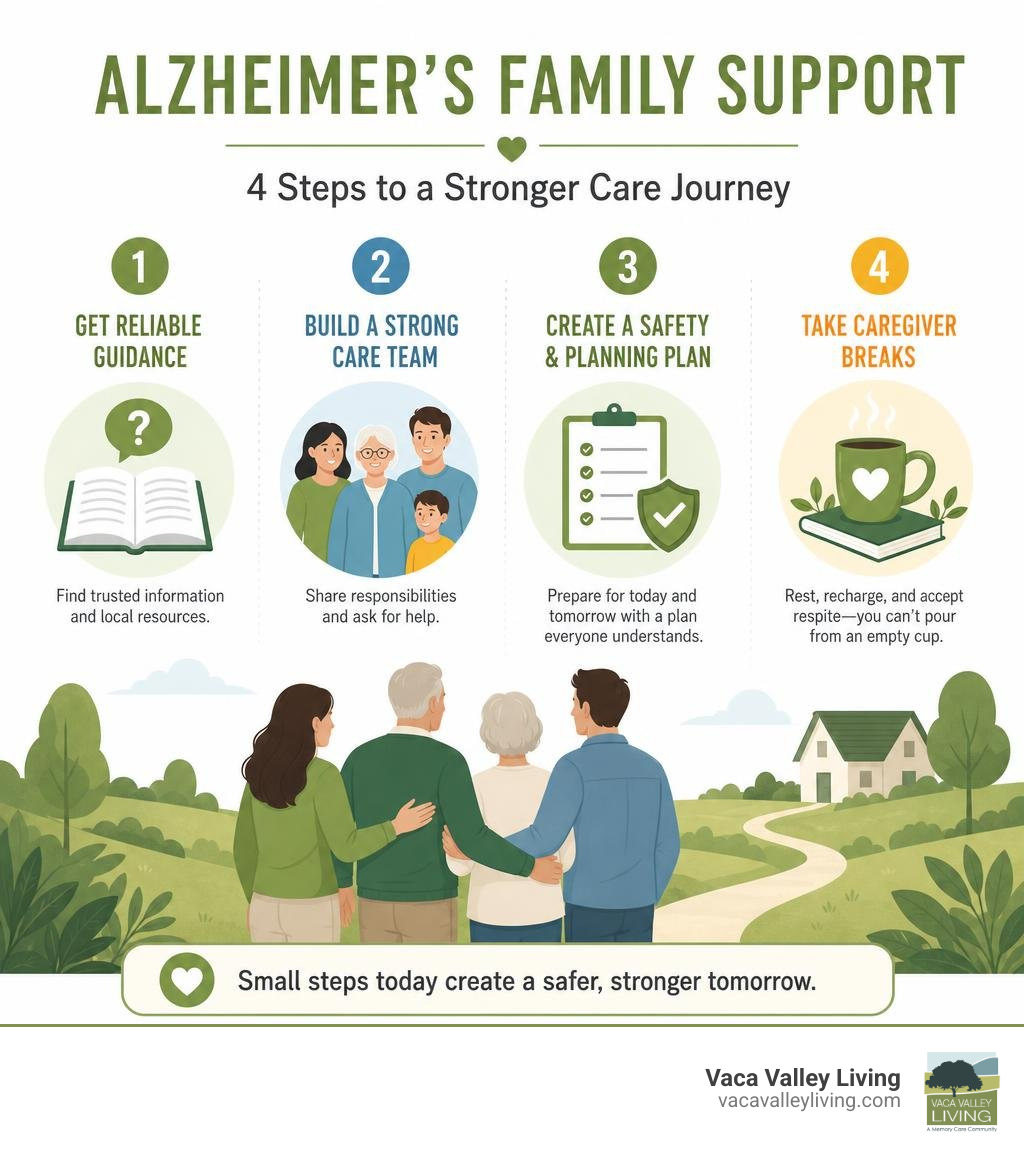
Alzheimer’s family support is easier to access when families take three early steps: get reliable guidance, share care responsibilities, and create a safety and planning checklist together. Start by contacting a dementia helpline or local aging-services office, joining a caregiver support group, and scheduling a medical and legal planning conversation while your loved one can still share their wishes.
Alzheimer's disease is a progressive brain condition that affects memory, thinking, behavior, and everyday independence. It also changes family roles. An adult child may become a care partner, decision-maker, and advocate - often while managing work, children, and their own health.
You do not need to solve every future need today. Focus first on practical support: safer routines at home, help with daily tasks, breaks for caregivers, and honest conversations about care preferences. Free education, peer groups, respite referrals, and 24/7 support can help families make informed choices before a crisis happens.
Across the nation, millions of people living in the United States take care of a family member or friend with Alzheimer’s disease or a related dementia. The Alzheimer’s Association serves more than 7 million living with Alzheimer’s and their nearly 13 million caregivers. In 2024, care and support were provided more than 10 million times through care consultations, support groups, and education programs.
Caregiving is one of the most generous acts of love imaginable, but it carries real emotional and physical weight. Research shows that 59% of family caregivers rate their emotional stress as high or very high, while 38% face significant physical strain. Furthermore, 60% of dementia caregivers manage employment alongside caregiving responsibilities, with over half adjusting work hours or taking leaves of absence. The estimated lifetime cost of care for someone with dementia approaches $405,362, with family members absorbing approximately 70% of that total through unpaid hours and direct expenses. Knowing where to find assistance changes everything.
Navigating Free and Accessible Alzheimer’s Family Support Resources
When a loved one receives a diagnosis, families often face immediate questions about where to turn. Fortunately, comprehensive, free, and low-cost public services exist to help you build a care network without exhausting your family's savings.
Federal agencies and national networks offer vital guidance:
- The ADEAR Center: The Alzheimer’s & Related Dementias Education & Referral (ADEAR) Center, operated by the National Institute on Aging (NIA), provides free, research-backed publications, clinical trial information, and specialist consultations in both English and Spanish (reachable at 800-438-4380).
- Eldercare Locator: A public service of the U.S. Administration for Community Living that connects caregivers with local Area Agencies on Aging (AAAs), meal delivery services, and affordable transportation.
- VA Caregiver Support: If your loved one is a military veteran, the U.S. Department of Veterans Affairs offers dedicated caregiver support lines, adult day health care subsidies, and in-home primary care.
- Community Education Hubs: Accessing curated Alzheimer's & Dementia Resources | Alzheimer's Association allows families to tap into interactive care navigation apps, educational toolkits, and habit-building programs designed to simplify daily planning.
Tapping into 24/7 Helplines and Virtual Caregiver Communities
Dementia does not follow a 9-to-5 schedule. Confusion, wandering, or intense agitation often peak in the late evening or early morning hours. During these critical moments, you should never have to guess what steps to take.
Free, confidential assistance is available through the Alzheimer's Association | Alzheimer's Disease & Dementia Help 24/7 Helpline (800-272-3900). Staffed by master's-level clinicians and disease specialists year-round, this service offers crisis intervention, personalized care consultations, and translation in more than 200 languages. Whether you need immediate de-escalation tips during an episode of disorientation or advice on navigating family dynamics, expert help is always a phone call away.
In addition to telephone hotlines, virtual message boards and moderated peer forums offer round-the-clock connection. Caregivers can post questions, share daily victories, and receive practical tips from other families facing similar challenges.
Specialized Alzheimer’s Family Support Groups and Respite Services
No single caregiver should shoulder the entire journey alone. Participating in targeted support groups allows you to trade practical coping strategies and reduce the emotional isolation that frequently accompanies chronic cognitive decline.
Modern support services feature specialized cohorts to address unique circumstances:
- Spousal & Partner Groups: Focusing on role transitions, changes in intimacy, and long-term care management.
- Adult Children Caregivers: Addressing the balance of caring for an aging parent while managing a career and raising children.
- Younger-Onset Dementia Cohorts: Supporting families navigating diagnoses that occur before age 65.
- Culturally Tailored Circles: Groups designed to respect unique familial and community traditions.
To protect facilitators from burnout and keep discussions objective, peer group leaders often complete structured training and take a temporary hiatus from active caregiving before guiding others. Alongside support groups, local community centers, memory cafes, and library memory programs offer safe social interaction for individuals with dementia while giving primary caregivers crucial breathing room.
Daily Care Strategies and Managing Challenging Behaviors
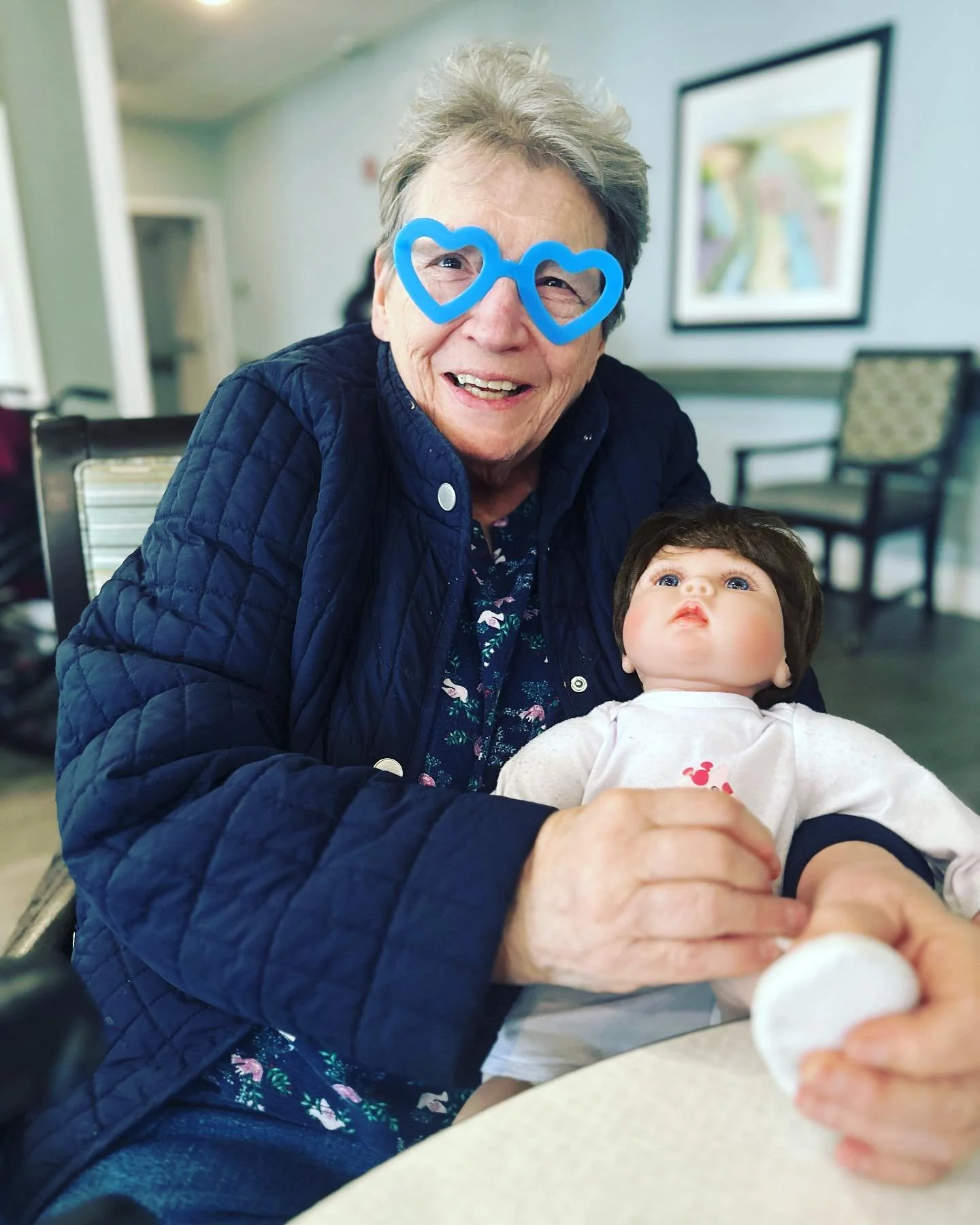
Daily care requires shifting from speed to patience. Activities of Daily Living (ADLs) such as bathing, dressing, grooming, and dining can become sources of anxiety when sensory processing slows down.
Reviewing practical Caring for a Person With Alzheimer’s Disease guidelines shows that success lies in breaking everyday tasks into simple, single-step prompts:
- Bathing and Personal Hygiene: Respect personal privacy by keeping towels draped over areas not being washed. Ensure the bathroom is warm, check water temperature carefully, and switch from overhead showers to handheld sprayers if running water causes fear. If a full bath causes distress, a gentle sponge wash is perfectly acceptable.
- Adaptive Dressing: Simplify choices by offering two outfits rather than an entire closet. Replace fiddly buttons and zippers with Velcro fasteners or elastic waistbands. Lay garments out in the order they should be put on.
- Mealtime Nutrition: Minimize table clutter. Use contrasting plate colors (such as a red or blue plate on a white table) to help your loved one distinguish food clearly. If utensils become difficult to manage, serve nutritious finger foods like baked chicken strips, steamed vegetable spears, and fruit slices.
- Empathetic Communication: Always approach from the front, maintain gentle eye contact, and introduce yourself by name if recognition falters. Avoid arguing, debating facts, or using condescending "baby talk." Use a warm tone, allow 20 to 30 seconds for them to process your words, and offer simple binary choices ("Would you like apple slices or yogurt?") instead of open-ended questions. When going out, carrying discreet "companion cards" that read "My companion has memory loss, thank you for your patience" can inform restaurant or store staff without causing embarrassment.
Managing Wandering, Sundowning, and Agitation
Challenging behaviors are not intentional defiance; they are symptoms of neurological changes or unmet physical needs.
- Preventing Wandering: Anyone with memory loss is at risk of wandering. Install deadbolts either above eye level or near the floor, place discreet door-chime alarms at exits, and outfit your loved one with a comfortable GPS tracking watch or medical ID bracelet. Alert trusted neighbors and local emergency responders proactively.
- Soothing Sundowning & Sleep Issues: Late-afternoon confusion and restlessness—often termed "sundowning"—can be minimized by shifting demanding tasks to the morning. Keep rooms well-lit before dusk to eliminate frightening shadows, limit daytime naps, and restrict caffeine after lunchtime.
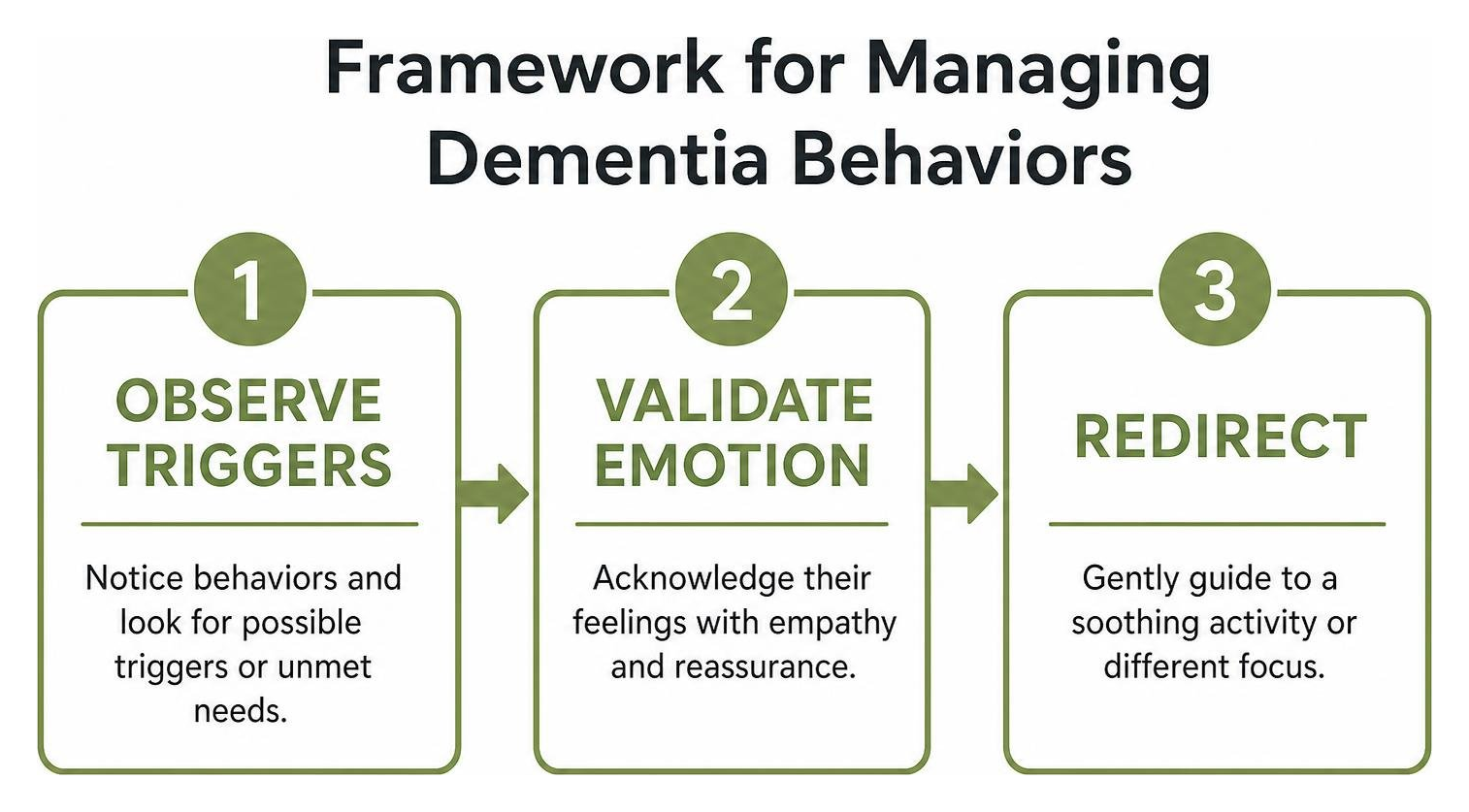
- De-Escalating Agitation and Paranoia: Sudden aggression or false accusations (such as claiming items are stolen) usually stem from fear or confusion. Never argue about what is real. Validate the underlying emotion ("I see that you feel worried about your wallet; let's look for it together"). Check for physical triggers like urinary tract infections (UTIs), constipation, or pain. Create dedicated "rummage boxes" filled with safe items like fabric remnants, yarn, or towels to fold, which channels restless energy productively.
Helping Children and Grandchildren Understand the Diagnosis
Explaining cognitive decline to young family members requires honesty, warmth, and age-appropriate language. Children notice changes quickly and may worry that they caused the illness or that memory loss is contagious.
Coordinate with school guidance counselors and teachers so they can offer emotional support during the school day. Encourage grandchildren to engage in structured, pressure-free activities: listening to favorite golden oldies, assembling simple puzzles, planting flowers, or recording family stories on video. A healthy dose of shared laughter helps preserve connection and normalizes the family dynamic.
Essential Legal, Financial, and Home Safety Planning

Proactive planning protects your loved one's autonomy, reduces future courtroom complications, and ensures medical wishes are honored. Completing paperwork early allows the diagnosed person to make their own decisions before cognitive decline deepens.
Prioritize these core advance directives:
- Durable Power of Attorney for Finances: Designates a trusted family member or fiduciary to manage banking, property, and billing.
- Durable Power of Attorney for Healthcare: Appoints a proxy to make medical decisions when the individual can no longer do so.
- Living Will & Advance Directives: Outlines explicit preferences regarding life-sustaining measures, feeding tubes, and palliative care.
- Physician Orders for Life-Sustaining Treatment (POLST) / DNR: Formal medical orders signed by a physician detailing emergency resuscitation instructions.
- Trust and Estate Plans: Clarifies asset distribution and establishes legal frameworks for funding long-term care needs.
Evaluating Planning Priorities Across Stages
| Planning Domain | Early-Stage Priorities | Middle- to Late-Stage Priorities |
|---|---|---|
| Legal Directives | Sign Powers of Attorney, living wills, and establish trusts with direct input. | Review existing documents; ensure proxies have immediate administrative access. |
| Financial Management | Organize account records, automate bills, monitor for financial scam vulnerability. | Manage direct care disbursements, verify insurance coverage, apply for public benefits. |
| Home Safety | Remove throw rugs, install grab bars in showers, ensure bright task lighting. | Install door monitoring alarms, lock away medications/cleaning chemicals, secure stove knobs. |
| Mobility & Driving | Conduct voluntary driving assessments; establish alternative transit plans. | Transition fully to chauffeured transit; secure car keys and vehicles safely out of reach. |
Early-Stage Alzheimer’s Family Support and Care Partnering
In the early stages of memory loss, many individuals live largely independently. Adopting the mindset of a "care partner" rather than a "caregiver" preserves dignity and reinforces teamwork.
Learn more about collaborative care approaches through Early-Stage Alzheimer's & Dementia Caregiving | alz.org to strike the right balance between assistance and independence. Establish agreed-upon "help signals"—a discreet phrase or gentle hand gesture—that allows your partner to request subtle assistance in social settings without feeling embarrassed. Involve them directly in calendar planning, meal choices, and financial reviews. Making positive assumptions about what your loved one can still do builds self-esteem and maintains cognitive vitality.
Prioritizing Caregiver Well-Being and Transitioning to Memory Care
You cannot pour from an empty cup. Sustained caregiving without rest leads to physical exhaustion, compromised immunity, clinical depression, and emotional burnout.
The best support you can provide your loved one is keeping yourself physically and emotionally healthy. Schedule regular respite breaks, keep your own medical appointments, eat balanced meals, and accept offers of help from friends. Exploring dedicated Alzheimer's & Dementia Caregiver Support | alz.org and connecting during national events like Alzheimer's Association Honors Dementia Caregivers | alz.org reminds us that self-care is a necessity, not an indulgence.
When personal care needs exceed what family members can safely provide at home, moving to a dedicated memory care community is often the most loving, secure choice. At Vaca Valley Living in Vacaville, CA, we provide family-owned residential memory care backed by more than 50 years of experience. Our home-like, highly individualized environment includes 24-hour specialized staffing, customized care plans, licensed nursing oversight, secure landscaped courtyards, and engaging amenities like an on-site salon and scheduled transportation.
Knowing When Home Care Is No Longer Sustainable
Recognizing that home care is no longer working is not a failure; it is an important step in prioritizing safety and quality of life.
Common signs that it is time to transition include:
- Escalating Safety Hazards: Frequent wandering attempts, leaving stove burners unattended, or unsteady mobility leading to falls.
- Caregiver Health Breakdown: The primary caregiver experiences chronic sleep deprivation, severe stress, or declining physical health.
- Complex Clinical Needs: Incontinence, severe sundowning, aggressive outbursts, or medication management that requires round-the-clock professional oversight.
- Social Isolation: The diagnosed individual becomes withdrawn or frightened at home, lacking structured, cognitive enrichment activities.
Families looking for secure living spaces tailored to memory loss can explore our thoughtfully designed floor plans to see how private, comfortable suites support daily independence and safety.
Frequently Asked Questions about Alzheimer's Family Support
How can families access free Alzheimer’s family support services?
Start by contacting the federal ADEAR Center (800-438-4380) or the Eldercare Locator (800-677-1116) to identify local Area Agencies on Aging. These public agencies offer free care consultations, respite care vouchers, caregiver classes, and transportation assistance. Charitable organizations also provide free virtual support groups and 24/7 crisis hotlines.
What are the best ways to de-escalate agitation or hallucinations at home?
First, check for physical discomfort, pain, or underlying medical issues like urinary tract infections. Never argue with or attempt to logically correct a hallucination or delusion. Validate their feelings ("I understand that you feel frightened right now, and you are safe here with me"), lower room noise, adjust lighting to eliminate shadows, and gently redirect their attention to a soothing activity, such as listening to favorite music or looking through a photo album.
When should a family consider transitioning from home care to residential memory care?
Consider moving to residential memory care when 24-hour supervision is required to prevent wandering or falls, when the physical and emotional health of the primary caregiver begins to suffer, or when behavioral challenges can no longer be managed safely at home. A dedicated memory care community provides continuous clinical monitoring, structured daily routines, and specialized cognitive engagement.
Conclusion
Navigating Alzheimer's disease is a marathon that reshapes family life, but you do not have to walk this path alone. By drawing on national helplines, building an advance planning framework, practicing empathetic communication, and prioritizing caregiver health, you can make informed decisions that honor your loved one's dignity.
When the time comes to consider professional memory care, our family-owned team at Vaca Valley Living is here to support you with over five decades of dedicated senior living experience. We invite you to explore our about VacaValley Living story, review our personalized services, request a tour of our community, or contact our caring team today to discover how our compassionate memory care community can bring comfort, security, and peace of mind to your entire family.