Becoming an Assisted Living Caregiver Is More Rewarding Than You Think
What Does an Assisted Living Caregiver Do?
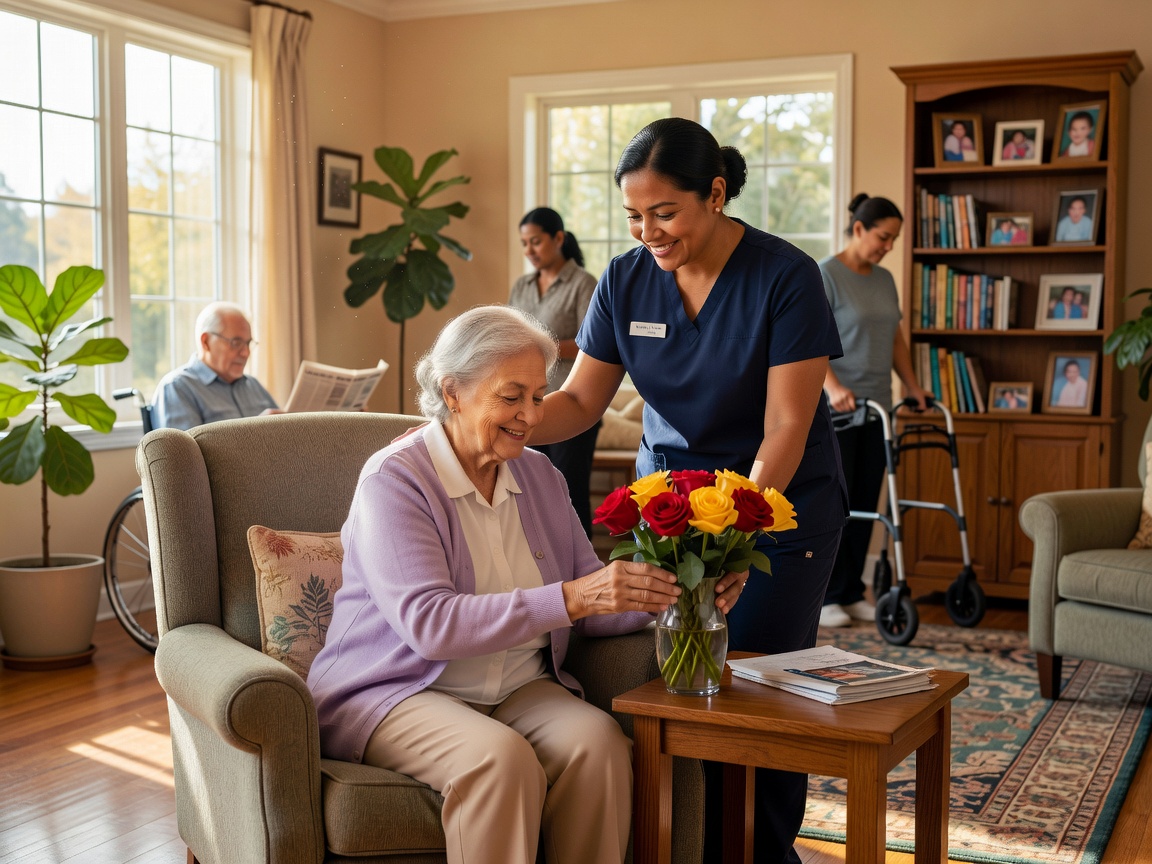
An assisted living caregiver (often called a care partner) provides direct, hands-on personal care and companionship to seniors in a residential community. Their primary goal is to help residents maintain independence and dignity in a safe, home-like setting.
Core duties include:
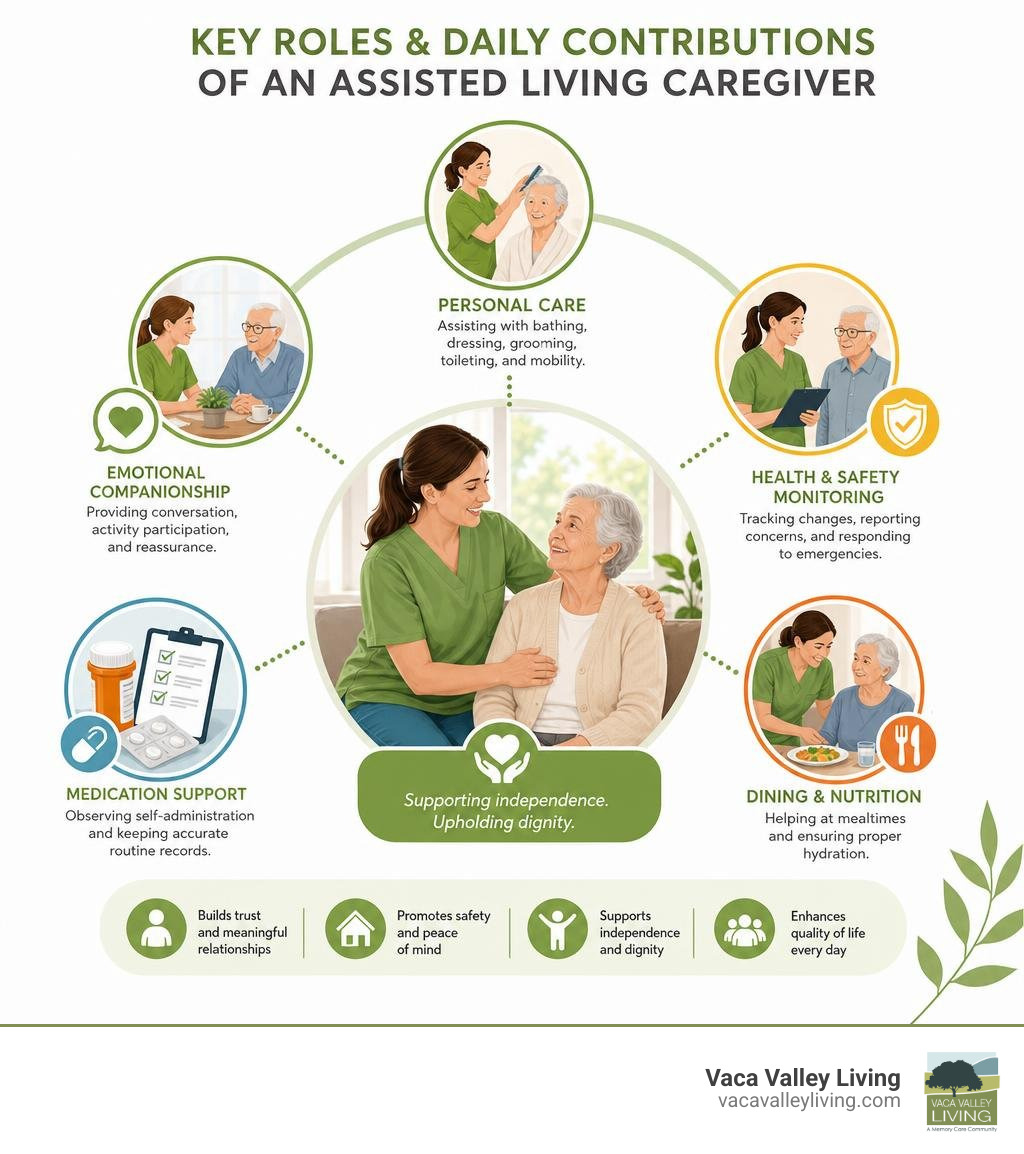
- Activities of Daily Living (ADLs): Assisting with bathing, dressing, grooming, toileting, and safe mobility.
- Health & Safety Monitoring: Tracking physical or cognitive changes, reporting concerns to nursing staff, and responding to emergency call pendants.
- Medication Support: Observing self-administration and keeping accurate routine records.
- Dining & Nutrition: Helping residents at mealtimes and ensuring proper hydration.
- Emotional Companionship: Providing conversation, activity participation, and reassurance—especially for residents navigating dementia or memory loss.
Becoming a caregiver in senior living is far more than completing a daily task list. It is about building trust. For families balancing careers while caring for an aging parent, these dedicated professionals offer reliable safety, structured support, and peace of mind.
The Essential Role of an Assisted Living Caregiver: Daily Duties and Impact
Senior living communities thrive because of the dedicated staff members who interact with residents every single day. A professional caregiver serves as an advocate, an observer, and a daily partner in wellness. Rather than functioning as a clinical hospital setting, residential assisted living emphasizes a person-centered philosophy. This approach honors personal preferences, preserves resident dignity, and encourages autonomy wherever possible.
Caregivers tailor their daily routine to each resident's Negotiated Service Plan. These individualized care plans establish specific assistance levels for everything from morning hygiene to evening turn-down services. By watching these parameters, caregivers ensure seniors maintain their independence without compromising safety.
Core Responsibilities of an Assisted Living Caregiver
Care partners perform a balanced blend of direct care, hospitality, and life enrichment tasks throughout their shifts:
- Bathing, Dressing, and Grooming: Offering respectful, hands-on help or gentle cueing so residents look and feel their best.
- Mobility and Transfer Support: Utilizing proper body mechanics to help seniors stand, walk, and navigate communal areas safely.
- Dining Coordination: Assisting residents to dining venues, monitoring nutritional intake, and ensuring hydration throughout the day.
- Light Housekeeping and Sanitation: Keeping private apartments tidy, changing bed linens, and managing the safe disposal of incontinence supplies.
- Call Light Response: Swiftly answering call pendants and emergency cords to resolve immediate resident needs or falls.
- Social Connection and Activity Engagement: Encouraging participation in daily events, leading friendly conversations, and helping reduce senior isolation.
Many industry professionals begin their journey through entry-level community roles such as an assisted living care partner, building foundational caregiving skills that translate across residential senior care environments.
Assisted Living Caregiver vs. Certified Nursing Assistant (CNA)
While both roles deliver vital hands-on assistance, their operational scopes, clinical oversight, and typical work settings differ in several key ways.
| Feature | Assisted Living Caregiver / Care Partner | Certified Nursing Assistant (CNA) |
|---|---|---|
| Primary Work Environment | Assisted living communities, residential memory care | Skilled nursing facilities, hospitals, rehab centers |
| Clinical Scope | Non-invasive ADL support, medication observation | Clinical vitals, catheter care, post-op support under RN/LPN |
| Certification Requirements | State-approved caregiver training or community onboarding | State-board-approved CNA certification and clinical registry |
| Care Approach | Social, hospitality, and person-centered residential care | Medical-model personal care and acute rehabilitation |
| Supervision Level | Wellness Director, Memory Care Coordinator, or Administrator | Registered Nurse (RN) or Licensed Practical Nurse (LPN) |
Professional Qualifications, Training, and Physical Demands
Becoming a senior living care partner requires a blend of formal compliance training, interpersonal empathy, and physical endurance. Most assisted living communities require entry-level candidates to hold a high school diploma or GED equivalent, pass a criminal background check, clear a drug screening, and provide a negative tuberculosis (TB) test completed within the prior six months. Active certifications in CPR and First Aid are standard requirements before providing unassisted direct care.
Training and Certification Pathway for an Assisted Living Caregiver
Caregiver requirements vary by state, but many jurisdictions require structured formal education. In states like Arizona, the regulatory framework serves as an industry benchmark. The state-approved curriculum requires a comprehensive 62-hour program consisting of 20 eLearning hours alongside 42 classroom and hands-on skill lab hours.
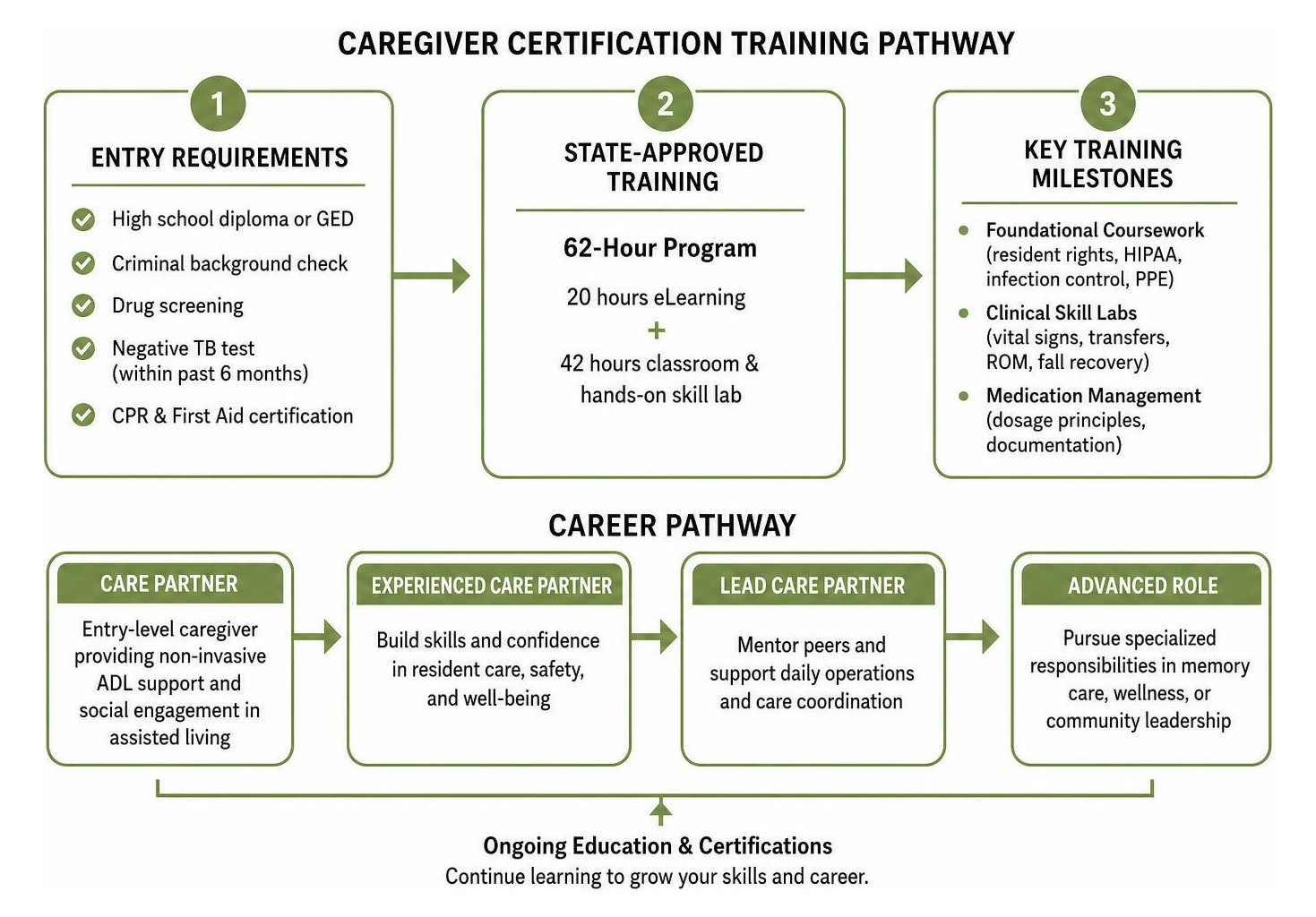
Key training milestones include:
- Foundational Coursework: Mastering resident rights, HIPAA compliance, infection control protocols, and personal protective equipment (PPE) application.
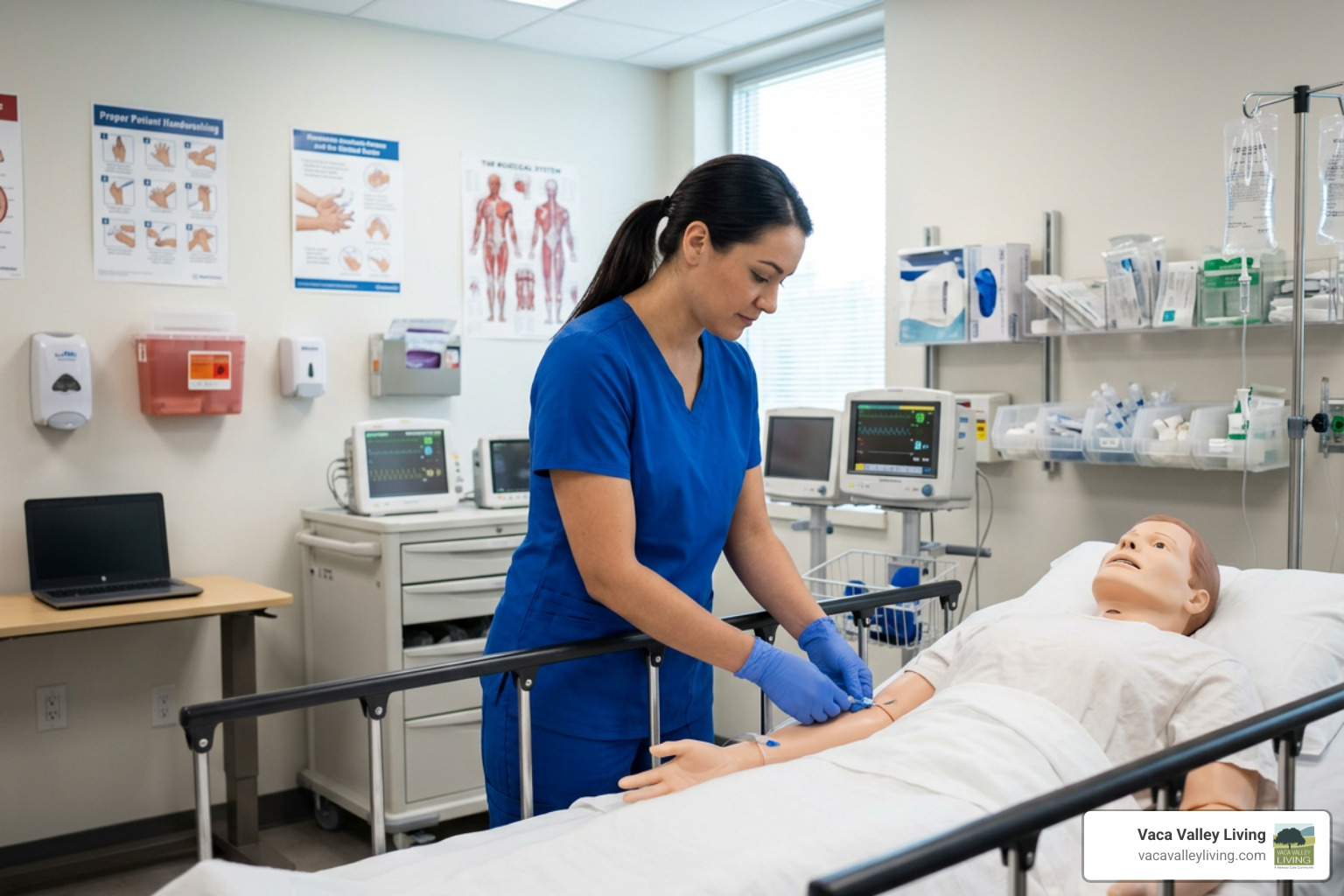
- Clinical Skill Labs: Practicing vital sign monitoring, bed transfers, range-of-motion exercises, and fall recovery techniques.
- Medication Management: Learning dosage principles and proper documentation for medication observation.
- State Licensure Exams: Standardized testing boards, such as the NCIA Board, evaluate candidates; top-tier training institutions like AMTI maintain a 94% first-time exam pass rate. The total cost for comprehensive training programs typically averages around $815.00.
- Ongoing Continuing Education: Caregivers must obtain 24 hours of continuing education in the initial year of employment and 16 hours annually thereafter to maintain active credentials.
Specializing in dementia care offers an additional pathway for professional growth. Specialized training in memory loss, redirection, and behavioral de-escalation prepares care staff to excel in specialized memory care environments.
Navigating Physical and Emotional Demands
Direct caregiving is an active, demanding vocation requiring real stamina:
- Physical Endurance: Caregivers routinely stand and walk for up to 8 hours per shift, occasionally sit for up to 2 hours, and must safely lift or carry up to 50 pounds while frequently supporting residents weighing up to 70 pounds during assisted transfers.
- Emotional Resilience: Managing cognitive decline, memory loss, and age-related health changes requires endless patience. Caregivers must maintain composure during behavioral changes associated with Alzheimer's disease.
- Burnout Mitigation: Top communities practice structured shift handoffs, regular debriefing, and team support to protect staff members from compassion fatigue.
Evaluating the Transition to Residential Senior Living
Families frequently find themselves balancing full-time careers, parenting, and managing an aging parent’s complex daily needs. Over time, home care demands can exceed what family members can safely provide. Transitioning to a dedicated residential community provides round-the-clock safety, professional care plans, and engaging amenities designed to restore comfort and peace of mind.
Identifying When a Loved One Needs Residential Support
Recognizing the signs that an aging loved one requires professional residential assistance prevents avoidable hospitalizations:
- ADL Difficulties: Noticeable struggles with bathing, dressing, grooming, or using the restroom safely.
- Safety Hazards and Falls: Unexplained bruises, frequent balance lapses, or leaving appliances unattended.
- Medication Errors: Skipped doses, double-dosing, or an inability to organize prescription schedules independently.
- Nutritional Decline: Weight loss, spoiled food in the refrigerator, or skipping meals entirely.
- Caregiver Burnout: Family members feeling overwhelmed, chronically exhausted, or unable to keep up with care needs.
- Social Isolation: Withdrawing from family and friends, leading to cognitive and emotional decline.
Communicating Care Transitions with Dignity
Discussing senior living options with an aging parent requires patience and compassion:
- Listen to Their Concerns: Acknowledge their fears regarding the loss of independence and validate their feelings.
- Focus on Solutions, Not Limitations: Highlight the positive aspects of residential living, such as chef-prepared meals, social activities, and freedom from home maintenance chores.
- Involve Them in the Selection Process: Review community layouts together, look at floor plans, and schedule personalized visits so they feel empowered in their housing decisions.
Understanding Senior Care Costs and Financial Planning

Understanding senior living costs helps families build manageable long-term care plans. Costs vary significantly depending on the setting and required support level:
Navigating Long-Term Care Expenses and Subsidies
Families have several financial options to offset monthly care expenses:
- Veterans Aid and Attendance: A tax-free pension benefit that provides monthly financial support to eligible wartime veterans and surviving spouses.
- Long-Term Care Insurance: Dedicated policies that reimburse daily or monthly costs for assisted living and memory care services.
- Medicaid Home and Community-Based Services (HCBS) Waivers: State-specific programs that help cover personal care services for qualifying low-income seniors.
- Area Agencies on Aging (AAA): Regional organizations that offer respite care grants, meal delivery support, and local caregiver resource navigation.
Frequently Asked Questions About Assisted Living Caregiving
What is the primary difference between an assisted living caregiver and a CNA?
An assisted living caregiver provides non-invasive personal care (ADLs), companionship, light housekeeping, and medication observation within a residential social model. A Certified Nursing Assistant (CNA) works under direct RN/LPN clinical supervision, holds state registry credentials, and performs clinical tasks like catheter care and vital sign tracking in hospitals and skilled nursing environments.
How much does caregiver certification cost and how long does it take?
A state-approved assisted living caregiver training program generally costs around $815.00, which includes tuition, lab supplies, and state examination fees. Most full-time hybrid programs take approximately two weeks to complete, covering 62 hours of instruction (20 eLearning hours and 42 classroom/lab hours).
What financial assistance programs help families cover assisted living costs?
Families can offset senior living expenses through VA Aid and Attendance pensions, private long-term care insurance policies, state Medicaid HCBS waiver programs, and respite care grants provided through regional Area Agencies on Aging.
Conclusion
Caregivers bring patience, kindness, and essential support to seniors every day. Whether monitoring physical wellness, providing hands-on ADL assistance, or offering a reassuring smile during memory loss, care partners form the heart of residential senior communities.
At Vaca Valley Living, our family-owned community brings over 50 years of dedicated experience to Vacaville, California. We provide 24-hour staffing, personalized memory care plans, on-site salon services, and comfortable, home-like surroundings tailored to individual resident needs.
Families seeking dependable, compassionate care are invited to explore memory care and supportive senior living at Vaca Valley Living to see our community in action.