5 Smart Strategies for Finding Truly Affordable Retirement Communities
Strategy 1: Explore Non-Traditional Housing Models for Affordable Retirement Communities
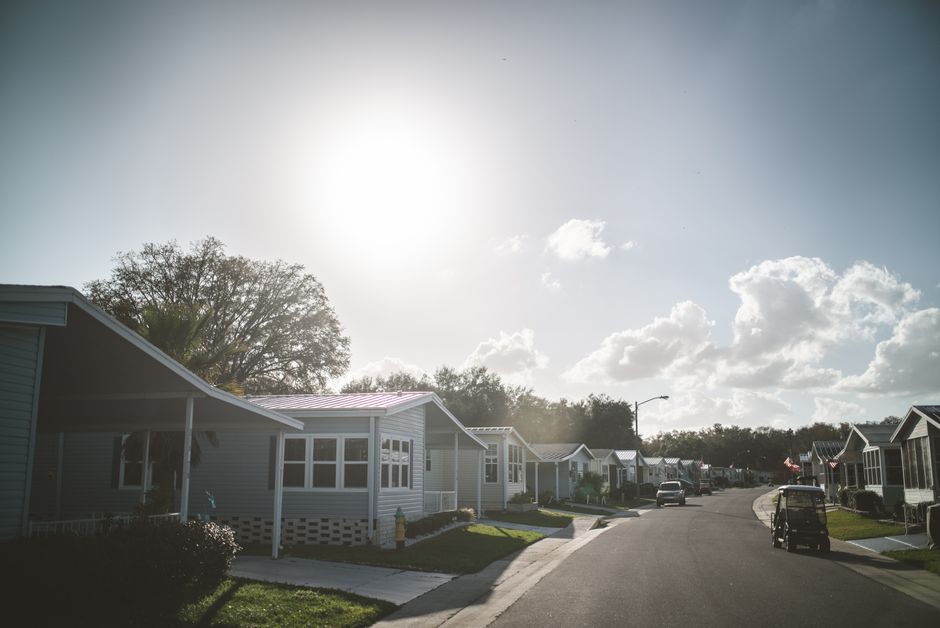
To find truly affordable retirement communities, focus on actionable strategies: explore non-traditional housing models like resident-owned cooperatives or land-lease parks, target state-certified retirement towns and college hubs with lower living costs, vet total carrying costs and HOA fees, and test-drive prospective destinations with seasonal trial stays.
Finding a home that matches your monthly retirement income often means looking beyond traditional single-family suburban tracts. Conventional housing developments come with high property taxes, unpredictable roof repair bills, and heavy yard maintenance. Exploring alternative housing models allows you to stretch fixed pensions and Social Security income much further.
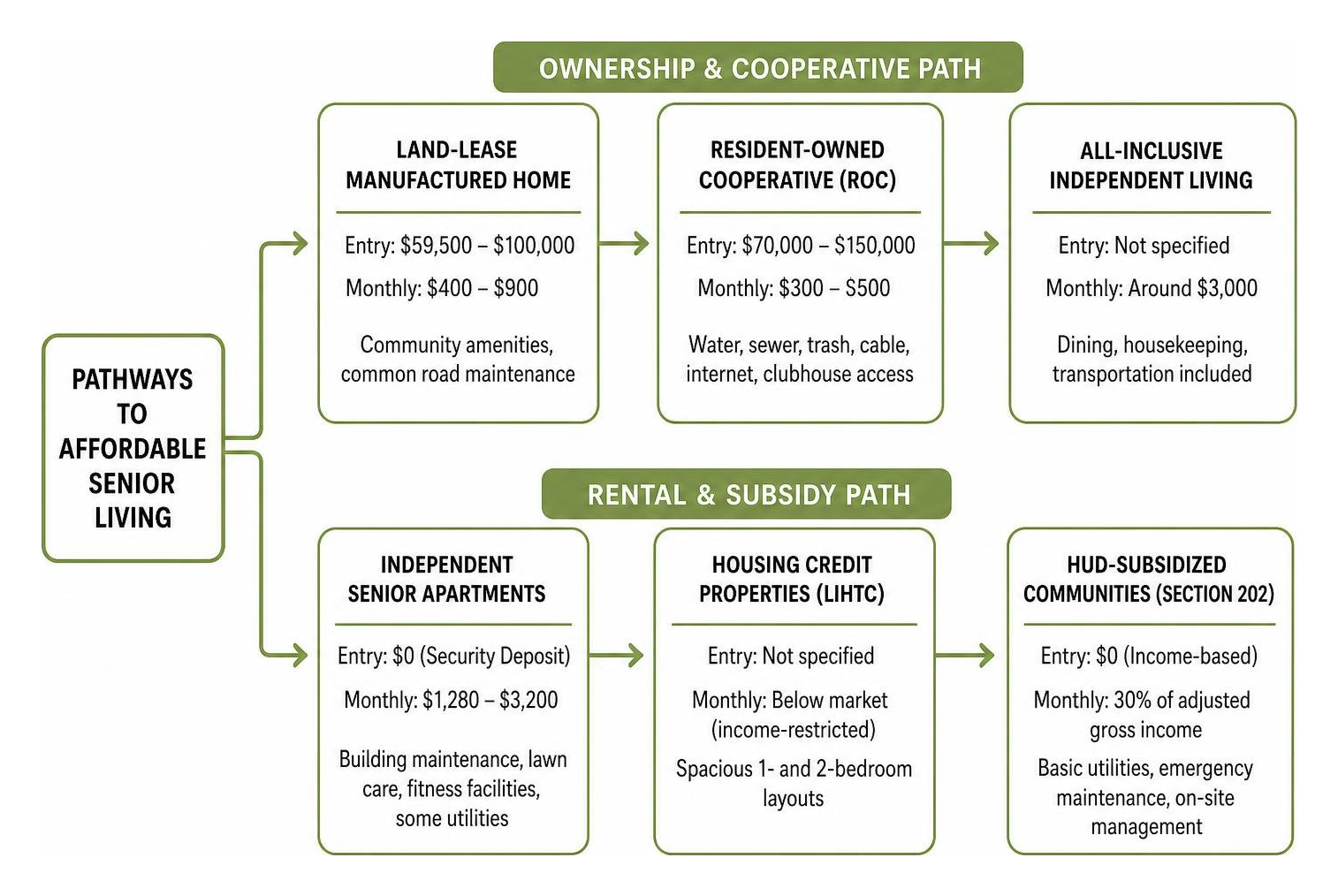
Many older adults find financial relief by shifting toward land-lease communities, resident-owned cooperatives, or rent-subsidized independent apartments. These models lower upfront real estate capital requirements while locking in predictable monthly baseline expenses.
| Housing Model | Typical Entry Cost | Average Monthly Fees / Rent | Key Inclusions |
|---|---|---|---|
| Land-Lease Manufactured Home | $59,500 - $100,000 | $400 - $900 (lot rent) | Community amenities, common road maintenance |
| Resident-Owned Cooperative (ROC) | $70,000 - $150,000 | $300 - $500 (HOA dues) | Water, sewer, trash, cable, internet, clubhouse access |
| Independent Senior Apartments | $0 (Security Deposit) | $1,280 - $3,200 | Building maintenance, lawn care, fitness facilities, some utilities |
| Subsidized Independent Housing | $0 (Income-based) | 30% of adjusted gross income | Basic utilities, emergency maintenance, on-site management |
Manufactured Home Parks and Resident-Owned Cooperatives
Manufactured housing has evolved into one of the most cost-effective ways to enjoy active adult living. In modern developments, two-bedroom, two-bathroom floor plans between 1,100 and 1,600 square feet may list well below the price of site-built homes in the same region, especially in inland markets with lower land costs. Many 55+ manufactured home communities pair lower home prices with amenities like swimming pools, pickleball courts, shuffleboard, walking paths, and shared clubhouses.
For added long-term fee stability, look into resident-owned communities (ROCs). Unlike corporate-owned properties where outside investors control annual lot fee increases, an ROC operates as a non-profit cooperative managed by the homeowners. The national nonprofit ROC USA provides resources explaining how cooperative ownership can help residents stabilize site fees and collectively manage community infrastructure.
In many resident-owned communities, a predictable monthly HOA or assessment fee may cover:
- Lawn care and professional landscaping
- Water, sewer, and trash removal services
- Internet or cable service bundles where available
- Access to pools, fitness rooms, hobby spaces, lakes, or trails
- Common-area maintenance, road upkeep, and shared amenity reserves
Waterfront living does not always have to carry a luxury price tag either. Manufactured home communities, long-term RV sites, and inland canal neighborhoods can sometimes offer lower-cost access to lakes, rivers, or boating areas than traditional coastal real estate. Always compare flood-zone maps, insurance requirements, and evacuation routes before choosing a water-adjacent property.
Subsidized Rentals and Active Adult Apartments
If you prefer to avoid the responsibilities of buying real estate altogether, age-restricted apartments and independent living complexes provide maintenance-free living with transparent monthly rent.
In many lower-cost markets, entry-level one-bedroom active adult apartments may start in the low-to-mid $1,000s per month, depending on location, unit size, amenities, and utility inclusions. These communities often feature shared gathering spaces such as libraries, fitness rooms, activity lounges, coffee areas, salons, and outdoor courtyards built into the complex.
For seniors with tighter financial resources, two additional apartment options keep monthly housing costs sustainable:
- Housing Credit Properties: Independent senior properties funded through Low-Income Housing Tax Credits (LIHTC) use income limits to keep rents below market rates while offering one- and two-bedroom layouts for qualifying households.
- HUD-Subsidized Communities: Programs like HUD Section 202 partner with housing providers to offer subsidized independent apartments for very low-income older adults, with rent typically based on a resident's adjusted income.
- All-Inclusive Independent Living: If you want dining, housekeeping, transportation, and wellness programs bundled with your housing, compare local all-inclusive independent living options carefully and request a written fee schedule before committing.
Strategy 2: Target State-Certified Towns and Emerging Regional Hubs
Location drives overall retirement expenses more than almost any other choice. While coastal metros in California or the Northeast command high premiums, moving just one or two tiers into smaller regional hubs can lower your cost of living by 20% to 30% without sacrificing municipal services.
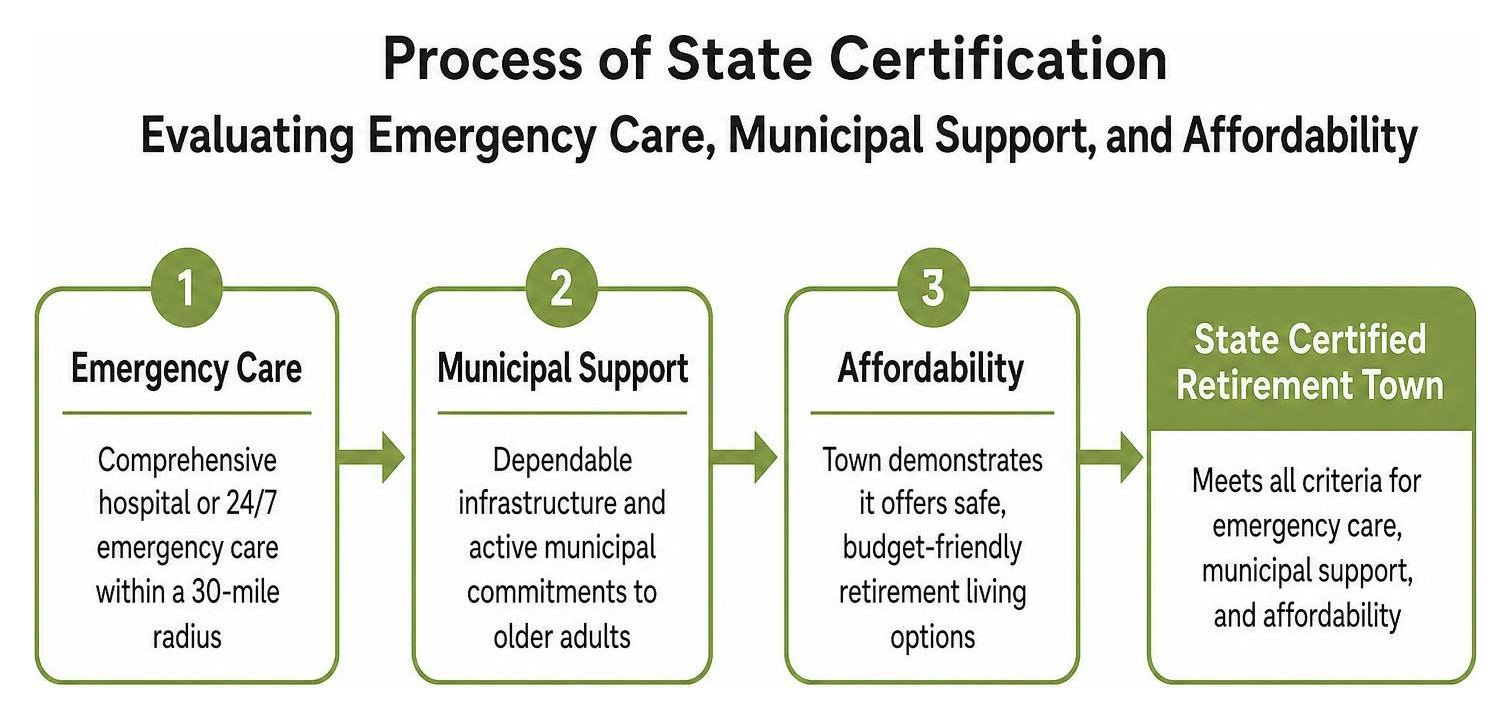
A reliable way to identify safe, budget-friendly destinations is to look for state-certified retirement programs. North Carolina, for instance, runs an official Certified Retirement Community program. To qualify, a town must prove it has a comprehensive hospital or 24/7 emergency care within a 30-mile radius, dependable infrastructure, and active municipal commitments to older adults.
Mountain and Inland Cultural Havens
If you enjoy cooler mountain air, lush forests, and seasonal changes, you can find high quality of life at a fraction of high-end resort prices in inland havens:
- Marion, North Carolina: Nestled near the Blue Ridge Mountains just 45 minutes outside Asheville, Marion boasts a median home value of $89,200 and a cost of living index of 79.9 (where 100 represents the national average).
- Lumberton, North Carolina: Offering a cost of living index of 74 and median home values near $109,800, Lumberton provides easy interstate access to regional healthcare hubs and dual commercial airports.
- Roanoke Rapids, North Carolina: With a cost of living index of 74.4 and median home values around $109,800, this community gives retirees access to outdoor recreation along the Roanoke River while staying within 90 miles of major medical centers in Raleigh and Richmond.
- Laurinburg and Reidsville, North Carolina: Laurinburg maintains a cost of living index of 72.4 (median home values of $103,200), while Reidsville offers median home values of $103,500 just 30 minutes from Greensboro.
- Decatur, Illinois and Bay City, Michigan: In the Midwest, cities like Decatur, IL (median home values around $96,124 and rents near $655) and Bay City, MI (median home values around $101,958) offer low-cost housing with established civic infrastructure.
Budget-Friendly Coastal and Riverfront Towns
Retiring near the water does not require multimillion-dollar beachfront estates. Riverfront port towns and inland bays provide coastal breezes and boating access at deep discounts:
- Elizabeth City, North Carolina: Known as the "Harbor of the Coast Guard," this historic waterfront city offers median home values of $137,800 and sits just an hour's drive from the Outer Banks.
- Punta Gorda, Florida: Located on Charlotte Harbor, nearly half of Punta Gorda's population is aged 65 or older. It features 18 miles of bicycle trails, waterfront parks, and dozens of budget-friendly 55+ developments.
- South Texas Waterways: Cities like Harlingen (median rent ~$695), Brownsville (median rent ~$696), and Eagle Pass (median rent ~$632) feature some of the lowest municipal housing costs in the country while keeping Gulf Coast recreation within an easy day trip.
Strategy 3: Leverage College Towns for Lifelong Learning and Low-Cost Care
College and university towns are among the smartest relocation options for retired educators and active seniors. These communities blend walkable neighborhoods, rich cultural programs, and top-tier academic healthcare systems—often at a cost of living well below major metropolitan areas.

Cultural Enrichment and Continuing Education
Universities bring energy to small and mid-sized cities with public lecture series, conservatory concerts, theater performances, and college athletics. Many state university systems offer low-cost or free tuition for older adults:
- Indiana University (Bloomington, IN): Indiana state law provides adults age 60 and older with a 50% tuition discount on up to nine credit hours per semester.
- University of Kentucky (Lexington, KY): Through the Donovan Fellowship, Kentucky residents aged 65+ can take undergraduate and graduate courses tuition-free.
- The Ohio State University (Columbus, OH): Offers lifelong learning programs through its Program 60 initiative, letting older adults audit regular university courses across campus at no cost.
These educational outlets provide mental stimulation and routine social connection. Research from the Rush Alzheimer’s Disease Center confirms that older adults with high levels of social and cognitive engagement experience roughly half the rate of cognitive decline compared to those who are socially isolated.
Top Mid-Sized College Towns for Affordable Retirement Communities
Beyond continuing education, college towns frequently host large university medical networks, ensuring high physician density and fast access to specialized clinics.
Several mid-sized university hubs regularly rank high for healthy aging in national studies by the Milken Institute:
- Columbia, Missouri: Home to the University of Missouri, Columbia ranks 4th nationally among small metros for successful aging thanks to its low-cost hospital networks and high concentration of medical staff.
- Des Moines, Iowa and Omaha, Nebraska: Ranked 5th and 7th among large metros for aging, both cities offer strong public transit, deep library systems, and low housing costs.
- Sioux Falls, South Dakota: Ranked 5th among small cities for aging, Sioux Falls combines no state personal income tax with an expansive regional health system.
- Bloomington, Indiana and Lexington, Kentucky: These classic university towns offer active volunteer networks, park systems, and lively downtown shopping districts tailored to pedestrian life.
Strategy 4: Uncover Hidden Fees and Evaluate Total Living Expenses
A low listing price or modest monthly rent can be misleading if you do not look at the fine print. To understand true affordability, calculate total monthly carrying costs across HOA dues, utility structures, local property tax policies, and potential special assessments.
When touring communities, request copies of their monthly fee sheets and examine their residential layouts. Looking closely at practical floor plans helps you choose layouts with step-in showers, zero-threshold entries, and wide hallways that prevent costly home modifications later.
Dissecting HOA Inclusions and Community Assessments
Homeowners Association (HOA) fees vary widely from property to property. A $400 monthly HOA fee that covers full exterior maintenance, roofing reserves, sewer, water, trash, and high-speed internet is often far more economical than a $150 fee that covers only grass cutting.

Before signing an agreement:
- Inspect the Capital Reserve Fund: Ask for an annual financial statement. If the community's reserves are underfunded, you could face sudden multi-thousand-dollar special assessments to repair roads, clubhouses, or community pools.
- Review Rental and Sub-Leasing Restrictions: Many 55+ communities enforce minimum rental lengths (e.g., 60 days) to prevent transient vacation traffic and protect neighborhood stability.
- Check Pet Restrictions: Many manufactured home parks and condo boards set clear pet rules, such as limiting households to two pets with a 25-pound weight cap.
Evaluating State-Level Retirement Tax Policies
Moving across state lines changes your tax obligations. When comparing potential destinations, evaluate how your new home treats retirement income:
- State Income Taxes: States like Florida, Texas, and South Dakota levy zero personal income tax, leaving Social Security checks, corporate pensions, and 401(k) withdrawals untaxed at the state level.
- Retirement Income Exemptions: Many states with income taxes still offer generous deductions for older adults, excluding public pensions and military retirement pay from taxable income.
- Homestead Exemptions and Property Tax Caps: Several states lock in assessment caps or offer senior property tax freezes once you reach age 65, shielding you from rising real estate market values.
Strategy 5: Test-Drive Prospective Locations Before Making a Permanent Move
Never pack up your entire household and buy a home in an unfamiliar town based on a brief weekend visit. A vacation destination can feel very different when you live there year-round.

Seasonal Trial Stays and Extended Rentals
Rent a short-term apartment, cottage, or RV lot for four to eight weeks during the area's least hospitable season. If you are considering Florida or coastal Georgia, visit during the hot, humid summer months. If you are looking at the Midwest, North Carolina mountains, or Upstate New York, spend time there in January to see how you handle snow, icy roads, and winter heating bills.
A trial stay allows you to:
- Test daily traffic patterns around shopping centers and medical clinics.
- Attend local church services, recreation leagues, and club meetings to see how welcoming the neighborhood feels.
- Tour local facilities to check out amenities like therapeutic pools, walking trails, and community craft studios in person.
Assessing Healthcare Access in Affordable Retirement Communities
Low living costs mean very little if high-quality healthcare is hours away. During your trial visit, evaluate the local medical network carefully:
- Hospital Proximity: Make sure a full-service hospital with an accredited emergency room is within a 20- to 30-minute drive.
- Specialist Availability: Check whether local clinics have practicing cardiologists, neurologists, orthopedic surgeons, and geriatric care managers accepting Medicare patients.
- Long-Term Care Continuum: Consider how the community accommodates changing health needs. While independent living supports active years, check whether the surrounding neighborhood provides easy access to assisted living, home health agencies, and specialized residential memory care should cognitive conditions arise down the road.
Frequently Asked Questions About Budget-Friendly Senior Living
What is the average monthly cost of living in a budget-friendly 55+ community?
Monthly living expenses in an affordable 55+ community typically range from $1,200 to $3,200, depending on the housing format:
- Resident-Owned Manufactured Parks: Homeowners pay between $300 and $500 monthly in HOA dues, which often bundles water, sewer, trash, cable, and amenity access.
- Land-Lease Communities: Monthly lot lease rates average $400 to $900 in addition to home financing.
- Active Adult Apartment Rentals: One- and two-bedroom independent apartments generally start between $1,280 and $1,600 per month, with move-in concessions (such as one or two months of free rent) frequently available.
- All-Inclusive Independent Living: Communities providing daily dining, housekeeping, transportation, and wellness programs typically start near $3,000 per month.
How do resident-owned communities keep monthly costs low for retirees?
Resident-Owned Communities (ROCs) operate as non-profit cooperatives where homeowners collectively own the underlying property and infrastructure. Instead of paying rent to a private commercial landlord seeking an annual profit return, residents pay monthly assessment fees that cover only the actual operating costs of the neighborhood. By bulk-negotiating community services—such as municipal water, curbside trash pickup, landscaping, and high-speed fiber internet—the cooperative saves hundreds of dollars per household each month.
What hidden costs should seniors look for before moving to a new community?
When calculating total housing costs, watch out for these four common expenses:
- Special Assessments: In condominiums and older subdivisions, underfunded capital reserves can lead to surprise fees for roof repairs, repaving, or pool resurfacing.
- Lot Lease Escalation Clauses: In corporate-owned manufactured home parks, review the lease agreement to see how much your monthly lot rent can increase each year.
- Insurance Adjustments: Properties located along coastal regions, tidal estuaries, or flood zones often require separate, expensive windstorm and flood insurance policies.
- Property Tax Reassessments: In some states, buying a home triggers a full tax reassessment to current market value, resulting in a higher property tax bill than the previous homeowner paid.
Conclusion
Finding a truly budget-friendly retirement community is about balancing day-to-day costs with peace of mind, physical safety, and access to good healthcare. By exploring non-traditional housing models like resident-owned cooperatives, targeting state-certified regional towns, taking advantage of college town educational discounts, and test-driving locations through seasonal rentals, you can protect your savings while enjoying an active lifestyle.
As you plan your retirement journey, your health needs can change over time. While independent living communities provide freedom and social connections during active years, having access to specialized health services ensures long-term security. If your parent or loved one ever needs dedicated, compassionate support for Alzheimer's or memory-related conditions, explore our family-owned, home-like senior living solutions to find the personalized, 24-hour care they deserve.