
Choosing Residential Care for Alzheimer's When Home Care Is No Longer Safe
When Living at Home Is No Longer Safe: Key Indicators
Transitioning a loved one to residential alzheimer’s care facilities becomes necessary when living at home poses ongoing safety risks—such as wandering, medication errors, frequent falls, and nighttime disorientation—or when severe caregiver burnout threatens safe care. Dedicated memory care communities deliver 24-hour supervision, secured environments, and specialized dementia support that protect physical safety and preserve daily dignity.
Alzheimer's disease and related dementias are progressive conditions. Over time, subtle memory lapses gradually transform into complex cognitive and physical challenges. While family caregivers often adapt heroically to each new phase, there comes a point where the physical environment of a private home cannot provide the 24-hour supervision necessary to prevent serious harm.
Assessing safety requires an honest look at day-to-day patterns. Is a loved one forgetting to turn off the stove, wandering outdoors at odd hours, or skipping essential medications? Are they experiencing frequent falls or struggling with basic personal hygiene? When these concerns arise, evaluating dedicated care settings is a proactive step toward protecting their health, safety, and overall well-being.
Behavioral and Safety Red Flags
Cognitive decline rarely follows a neat, predictable schedule. However, certain behavioral shifts clearly signal that professional, around-the-clock support has become necessary:
- Wandering and Elopement Risk: Walking away from home without awareness of time, direction, or weather conditions poses an immediate, life-threatening danger.
- Sundowning and Nighttime Disorientation: Increased agitation, confusion, or pacing in late afternoon and evening hours disrupts sleep cycles and leads to unsafe nighttime wandering.
- Household Hazards: Leaving burners ignited, misusing household appliances, or letting food spoil in the refrigerator can lead to serious injuries or illness.
- Medication Non-Compliance: Forgetting to take life-sustaining prescriptions, taking double doses, or mixing up pill schedules can result in emergency room visits.
- Rapid Physical and Nutritional Decline: Unexplained weight loss, dehydration, poor balance, unmanaged chronic conditions (such as diabetes), or neglected hygiene indicate that self-care abilities have eroded.

Assessing Caregiver Burnout and Health Limits
Caring for someone with dementia is an emotionally and physically demanding responsibility. Family caregivers often push themselves to the brink of collapse, driven by love and a deep sense of duty. Yet caregiver self-care is a vital necessity, not an optional luxury.
When you experience chronic exhaustion, worsening health problems, persistent irritability, or severe sleep deprivation, your capacity to provide safe care diminishes. If managing daily care begins to strain your career, personal relationships, or emotional health, it is essential to remember that seeking residential support is an act of love. Transitioning to a supportive community allows you to step back from the exhausting role of primary medical and physical manager, returning to your most meaningful role: being a loving daughter, son, or spouse.
Understanding Memory Care and Residential Care Options
When researching long-term residential options, families often encounter terms like assisted living, memory care, and skilled nursing. While each setting provides assistance with Activities of Daily Living (ADLs)—such as bathing, dressing, grooming, eating, and medication management—they offer significantly different levels of security, supervision, and medical support.
| Care Setting | Best Suited For | Staffing & Supervision | Safety & Environment |
|---|---|---|---|
| Standard Assisted Living | Seniors requiring light to moderate help with ADLs who remain cognitively aware and oriented. | Trained caregivers available around the clock; lower staff-to-resident ratio. | Open residential layout; no secured wander-management perimeters. |
| Dedicated Memory Care | Individuals with Alzheimer's or dementia who need structured routines, redirection, and cueing. | Higher staff-to-resident ratio; caregivers with specialized dementia education and 24-hour monitoring. | Secured perimeter doors, delayed-egress access, enclosed courtyards, visual navigation cues. |
| Skilled Nursing Facility | Seniors with complex, late-stage medical needs, severe physical immobility, or requiring 24/7 clinical intervention. | Licensed nurses and certified nursing assistants on duty 24/7. | Clinical environment designed for high-acuity medical care and intensive custodial support. |
Distinct Care Levels in Alzheimer’s Care Facilities
Dedicated memory care communities—often established as Alzheimer's Special Care Units (SCUs)—are purpose-built to address the neurological and behavioral symptoms of dementia. Unlike generic senior housing, these environments feature secured exterior doors with keypad codes, delayed-egress systems, and safe, enclosed outdoor garden courtyards. These measures allow residents to walk freely and enjoy fresh air without the risk of elopement.
Inside these communities, daily life is guided by a predictable rhythm. Rather than imposing rigid, stressful schedules, compassionate memory care staff offer gentle, continuous prompting, sensory calming sessions, and structured therapeutic activities that engage long-term memories and foster a sense of accomplishment.
How Dedicated Memory Care Differs from Standard Senior Care
The core difference between traditional senior living and dedicated memory care lies in specialized engagement and behavioral understanding. Standard assisted living assumes that a resident can self-direct their day, remember when to head to the dining room, and use a call button when they need help. In contrast, memory care teams anticipate unspoken needs.
Caregivers in memory care receive specific training in dementia-related communication techniques, such as validation therapy and gentle redirection. They understand that repetitive questioning, anxiety, or resistance to bathing are symptoms of the underlying disease rather than deliberate defiance. Furthermore, while Medicare does not cover ongoing residential room-and-board costs in any setting, dedicated memory care focuses on specialized cognitive support that standard residential options are not equipped to deliver.
What to Look for When Evaluating Alzheimer’s Care Facilities
Every senior living community has its own culture, design philosophy, and level of care expertise. Selecting the right fit for your loved one means looking beyond polished marketing materials and evaluating how daily care is actually delivered.
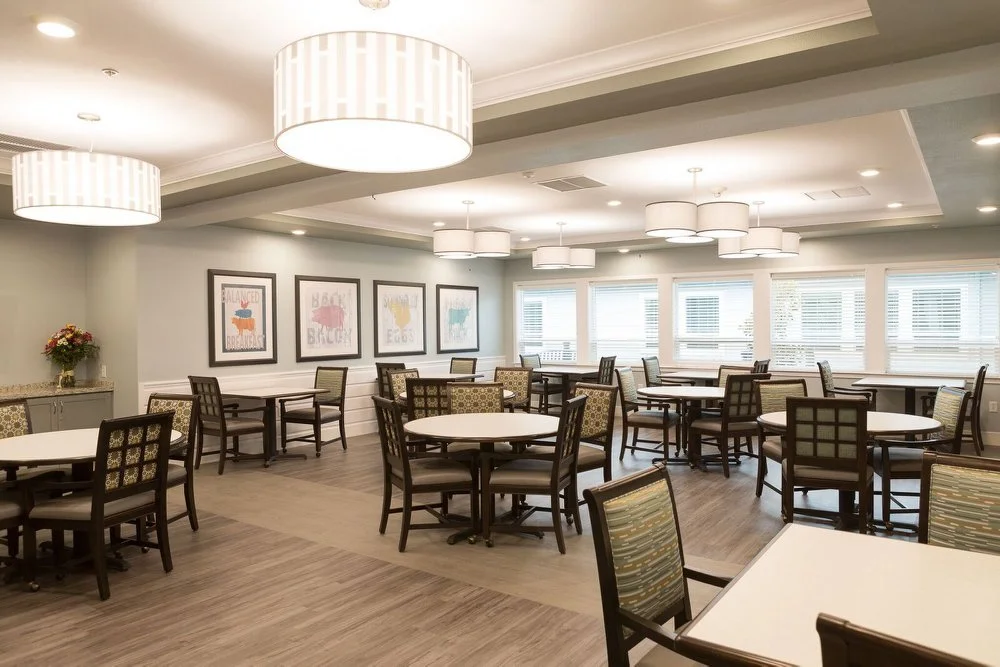
A high-quality community should feature bright, open common areas with clear sightlines, abundant natural lighting, and calming color palettes that reduce visual confusion. In addition, explore the specialized community amenities, such as secure walking paths, activity rooms, and on-site salons, to ensure they promote comfort and dignity.
Staff Ratios, Dementia Training, and 24/7 Nursing
The quality of daily life in any care setting depends heavily on the caregivers working directly with residents. When touring, ask detailed questions about direct-care staffing ratios:
- What is the direct caregiver-to-resident ratio during the day, in the evening, and overnight?
- How many hours of dedicated dementia-specific training do staff members complete upon hire and annually?
- Does the community have licensed or certified nursing staff on-site 24/7 to manage complex health needs, such as insulin-dependent diabetes or sudden health changes?
- How does the team handle sundowning, agitation, or resistance to personal care?
- What is the process for updating personalized care plans as cognitive abilities change?
Consistent staffing is critical in dementia care. When familiar caregivers work with the same residents daily, they quickly notice subtle changes in health, appetite, or mood, allowing for early interventions before minor issues escalate.
Safety Design, Sensory Environments, and Daily Routines
Thoughtful architectural details can significantly reduce confusion and anxiety for people living with memory loss. Modern memory care design incorporates:
- Contrasting Colors: Using high visual contrast between plates, food, and tabletops helps residents clearly distinguish their meals, encouraging independent eating.
- Wayfinding Cues: Personalized shadow boxes outside bedroom doorways, clear signage, and intuitive circular floor plans help residents navigate their environment without feeling lost or frustrated.
- Secure Outdoor Spaces: Enclosed courtyards allow residents to enjoy sunshine, tend to raised garden beds, and experience nature safely.
- Sensory Interventions: Dedicated sensory spaces, soothing music, aromatherapy, and pet therapy offer comfort to residents who may feel overwhelmed by ambient noise.
Understanding Costs, Room Styles, and Financial Assistance Options
Planning for residential memory care involves evaluating long-term financial resources. Long-term care costs vary widely based on location, apartment style, and the specific level of assistance a resident requires.
According to national industry benchmarks, basic assisted living services average approximately $74,400 per year, while nursing home care averages $114,975 annually for a semi-private room and $129,575 per year for a private room. In specialized residential memory care settings, base monthly rental fees typically cover housing, dining, housekeeping, laundry, and scheduled social programming. Additional tiered fees are often applied based on the level of physical assistance, medication administration, and behavioral care a resident needs, with base memory care private apartments typically ranging from $5,000 to $7,000 per month depending on location and care tier.
Understanding Room Types and Living Spaces in Alzheimer’s Care Facilities
Communities generally offer a choice between private suites and shared companion rooms. Reviewing available private and companion floor plans helps families weigh budget considerations alongside personal preferences:
- Private Suites: Provide a quiet, personalized personal sanctuary where residents can relax surrounded by their own familiar furniture, family photographs, and cherished keepsakes.
- Semi-Private / Companion Rooms: Offer a more cost-effective option while providing built-in companionship, which can be comforting for individuals who feel anxious when left alone.
Regardless of room layout, memory care living spaces are built with safety in mind, featuring walk-in showers with grab bars, emergency pull cords, slip-resistant flooring, and secure window locks.
Financial Planning, Long-Term Care Insurance, and Benefits
Because traditional Medicare does not cover long-term residential room-and-board expenses, families generally fund memory care through a combination of private resources and specialized assistance programs:
- Private Funds: Income from pensions, Social Security benefits, investment portfolios, home sales, or reverse mortgages.
- Long-Term Care Insurance: Policies that include non-medical residential coverage often pay a daily or monthly stipend toward assisted living and memory care costs once benefit triggers (such as needing assistance with two or more ADLs) are certified by a physician.
- Veterans Aid and Attendance: A tax-free pension benefit available to eligible wartime veterans and surviving spouses who require help with daily activities.
- Medicaid and State Waiver Programs: For individuals with limited income and assets, Medicaid waiver programs may help cover the personal care portion of residential services once private assets have been spent down according to state guidelines.
- Social Security Compassionate Allowances: An expedited initiative supported by the Social Security Administration that quickly identifies individuals with early-onset Alzheimer's or related dementias for Social Security Disability Insurance (SSDI) benefits.
Consulting an elder law attorney or a certified financial planner specializing in senior care can help your family navigate asset protection and public benefit eligibility effectively.
Essential Questions to Ask When Touring Communities
Scheduling an in-person visit is the single best way to get an accurate sense of a community's atmosphere, cleanliness, and care standards. While guided tours showcase a facility's best features, paying close attention to interactions between staff and residents reveals the true daily environment.

When you are ready to evaluate care settings firsthand, schedule a personal tour to explore the surroundings, meet the care team, and ask detailed questions about daily operations.
Screening Staff Qualifications and Care Plan Updates
During your visit, consider asking the management team these focused operational questions:
- What is the average staff turnover rate among your direct caregiving team?
- How do you create an individual's care plan, and how frequently is our family invited to participate in reviews?
- What specific dementia care philosophy or structured memory care framework does your community practice?
- How does the culinary team accommodate special diets, pureed textures, or residents who pace during meal times?
- What is your protocol for tracking falls, minor injuries, or changes in cognitive status?
- Can we review your latest state licensing inspection report and Special Care Unit Disclosure form?
Visiting during meal times or making a brief, unannounced follow-up visit on a weekend afternoon can also provide helpful perspective on how active, attentive, and engaged the staff are outside standard weekday touring hours.
Aging in Place and Long-Term Care Continuity
As Alzheimer's disease enters its advanced stages, mobility decreases and swallowing difficulties or medical complications may arise. You need to know whether the community can support your loved one through every stage:
- Aging in Place Policies: Can a resident stay in the same room as their physical and cognitive needs increase, or will they be required to move if they become non-ambulatory?
- Discharge Criteria: What specific clinical conditions (such as requiring two-person transfers, complex feeding tubes, or intensive medical management) would necessitate a transfer to a skilled nursing facility?
- Hospice and Respite Care Collaboration: Does the community partner with certified hospice agencies to offer palliative, comfort-focused end-of-life care on-site? Can families access short-term respite care stays to try the community or allow family caregivers temporary relief?
Frequently Asked Questions About Alzheimer's Care
Does Medicare pay for long-term residential memory care?
No. Medicare does not cover the ongoing room-and-board or custodial care costs associated with living in an assisted living or memory care community. Medicare only covers medically necessary, short-term skilled rehabilitative care, home health visits ordered by a doctor, diagnostic evaluations, and certified hospice care. Long-term residential memory care must be funded via private pay, long-term care insurance, Veterans benefits, or state-specific Medicaid programs for qualifying individuals.
What is the primary difference between Alzheimer's and general dementia?
Dementia is an umbrella term used to describe a wide range of symptoms associated with progressive cognitive decline that interferes with everyday functioning. Alzheimer's disease is the most common specific cause of dementia, accounting for 60% to 80% of all cases. While all Alzheimer's is dementia, not all dementia is Alzheimer's; other forms include Vascular dementia, Lewy Body dementia, and Frontotemporal dementia.
How do residential facilities prevent wandering and elopement?
Quality memory care communities utilize multi-layered security measures to keep residents safe. These include secured perimeter doors equipped with delayed-egress magnetic locks, keypad entry systems, discrete wearable wander-management pendants, continuous visual monitoring by 24-hour on-site staff, and completely enclosed outdoor courtyards that allow safe outdoor movement without external street access.
Conclusion
Deciding to move a family member into residential memory care is rarely easy, but ensuring their continuous safety, health, and dignity is the most compassionate choice you can make. When home care can no longer protect against falls, wandering, medication errors, or the heavy weight of caregiver burnout, a specialized community offers a secure and nurturing alternative.
At Vaca Valley Living, our family-owned community brings over 50 years of senior care experience to provide a warm, home-like environment where residents are known, valued, and treated with genuine respect. Through 24-hour dedicated staffing, personalized wellness plans, enriching social activities, and thoughtful amenities, our residential memory care community provides seniors with the secure structure they need—and families with the peace of mind they deserve.