
Design Dementia Care Plans Today: Key Questions to Ask Your Doctor
What Are Dementia Care Plans and Why Are They Essential?
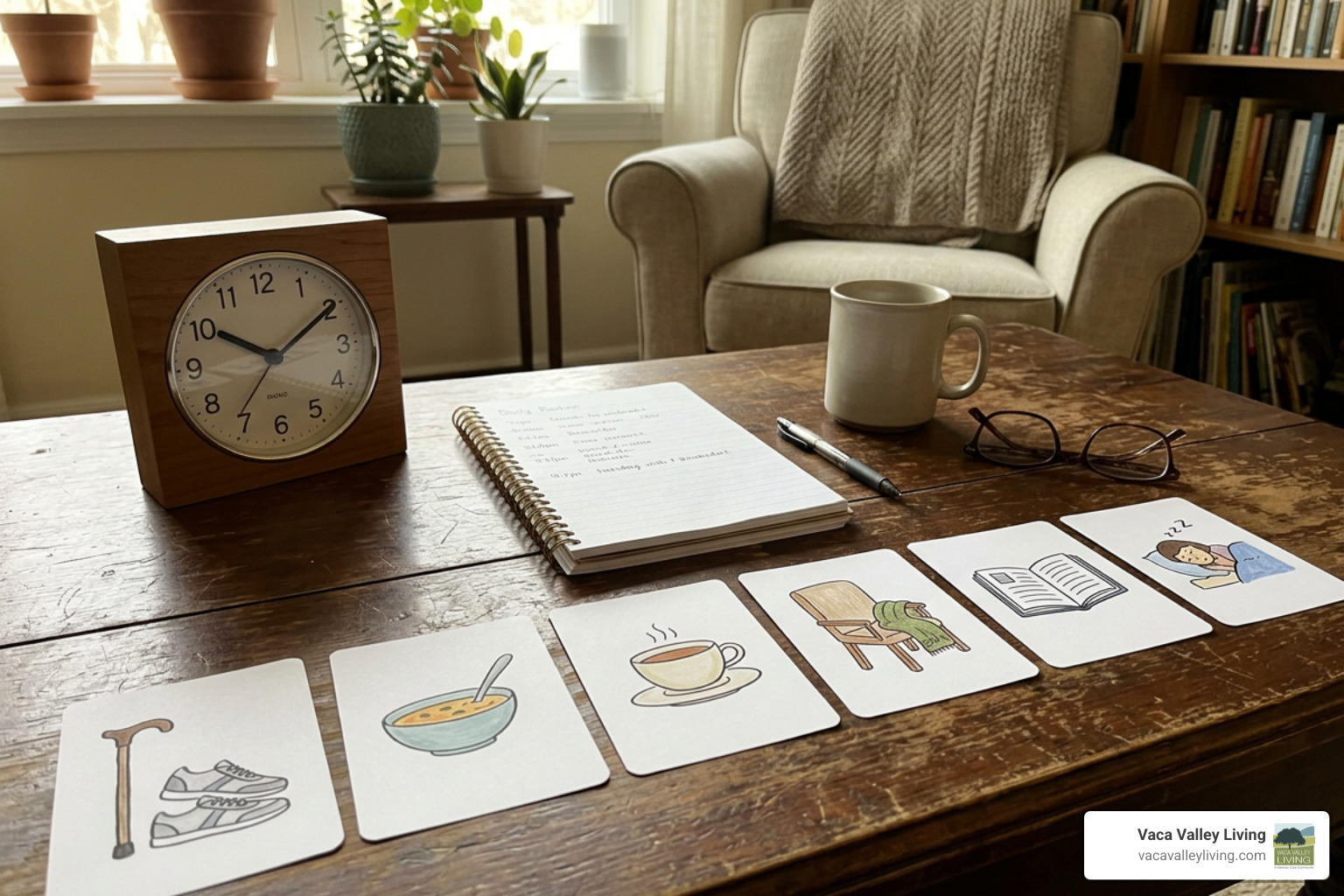
A dementia care plan is an evolving roadmap designed to coordinate daily support, medical oversight, safety interventions, and emotional comfort for an individual experiencing cognitive decline. Rather than treating dementia as merely a set of clinical diagnoses, effective dementia care plans address the real-world interface between a person’s declining neurological abilities and their everyday environment.
Between 70% and 90% of all individuals living with dementia experience secondary behavioral symptoms at some stage, ranging from acute anxiety and restlessness to combativeness and wandering. These behaviors rarely occur at random. As outlined in the Progressively Lowered Stress Threshold (PLST) framework, progressive cerebral damage lowers an individual’s capacity to filter external stimuli, manage internal discomfort, or adapt to sudden changes. When environmental demands exceed cognitive coping resources, the result is behavioral distress or a "catastrophic reaction."
A comprehensive care plan acts as a practical buffer against this stress. By establishing non-pharmacological interventions first, families and care teams can address root triggers such as unmet physical needs, environmental chaos, or communication mismatches before resorting to medications. Following established clinical standards, such as the Evidence-based recommendations on dementia management, care plans prioritize dignity, structured engagement, and the preservation of remaining functional strengths.
Core Elements of Comprehensive Dementia Care Plans
A functional care plan cannot be built on guesswork; it requires structured clinical and practical assessments. According to the established Clinical framework for creating a care plan, an effective strategy integrates several foundational assessments:
- Activities of Daily Living (ADLs): Using validated assessment tools like the Katz Index of Independence in Activities of Daily Living, clinicians and families assess baseline capability across six essential self-care functions: bathing, dressing, toileting, transferring, continence, and feeding.
- Instrumental Activities of Daily Living (IADLs): Tools like the Lawton-Brody IADL Scale evaluate eight more complex operational domains, including medication management, meal preparation, telephone use, housekeeping, laundry, shopping, local transportation, and personal finances.
- Cognitive and Behavioral Screening: Standardized evaluations—such as the Mini-Cog, Saint Louis University Mental Status (SLUMS) exam, or the Neuropsychiatric Inventory Questionnaire (NPI-Q)—establish baseline impairment, track progression, and isolate behavioral patterns.
- Medication Reconciliation: A meticulous review identifies drugs with high anticholinergic burden or sedating side effects that could inadvertently trigger delirium, accelerate memory decline, or increase fall hazards.
- Environmental Safety Profiling: Structured audits evaluate physical living spaces for trip hazards, poor lighting, access to kitchen appliances, vehicle access, and unsecured entryways that could facilitate elopement.
Structuring Daily Routines to Minimize Stress and Sundowning
Predictable daily structures tap into procedural memory—the long-term motor and habit pathways that remain operational long after short-term memory begins to fade. Establishing a predictable rhythm helps anchor the person’s day, reducing confusion and repetitive questioning.
Sundowning, a phenomenon characterized by heightened confusion, restlessness, and paranoia during the late afternoon and evening, affects up to two-thirds of individuals with dementia. A structured routine counteracts this pattern by actively supporting the body's natural circadian rhythm:
- Morning Light and Hydration: Begin the day with exposure to natural daylight and steady hydration, reinforcing wakefulness and setting the internal biological clock.
- Planned Physical Movement: Incorporate guided walks, gentle stretching, or simple household tasks during peak morning energy hours to prevent restlessness later in the day.
- Midday Rest Periods: Schedule brief, quiet rest times after lunch to reset the stress threshold and prevent cumulative fatigue from triggering late-afternoon agitation.
- Environmental Sensory Calming: As dusk approaches, draw window coverings to eliminate disorienting shadows, increase indoor lighting to prevent visual misperceptions, and minimize noisy background distractions like loud televisions.

Crucial Questions to Ask Your Doctor During Cognitive Assessment Visits
Navigating clinical visits can feel overwhelming for family members juggling medical jargon and emotional stress. However, dedicated medical visits exist specifically to assess and plan for cognitive conditions. Medicare reimburses clinicians for comprehensive cognitive evaluations under CPT code 99483. This clinical code requires a multidimensional assessment covering cognition, function, safety, medication reconciliation, and caregiver wellbeing.
When meeting with your loved one's primary care physician, neurologist, or geriatrician, you can leverage guidance from State guidelines on person-centered dementia toolkits to ensure the conversation covers vital operational details.
Medical and Behavioral Inquiries for Your Healthcare Provider
To transform a standard clinic appointment into an actionable care planning session, bring concrete questions tailored to medical stability and behavioral dynamics:
- "Could any of my loved one's current prescriptions or over-the-counter drugs have an anticholinergic effect that worsens memory or balance?"
- "Are there FDA-approved disease-modifying therapies or symptomatic treatments appropriate for this specific stage of diagnosis?"
- "If sudden agitation or confusion appears overnight, how should we screen for acute medical conditions like urinary tract infections, respiratory illness, or delirium before assuming it is dementia progression?"
- "How can we evaluate pain using observational tools like the Pain Assessment in Advanced Dementia (PAINAD) scale if verbal communication becomes difficult?"
- "What specific warning signs indicate that driving or living unassisted is no longer safe?"
Incorporating Legal, Financial, and Advance Directives into Dementia Care Plans
A holistic care plan must extend beyond medical prescriptions to include legal and financial protections. Establishing these measures early ensures the individual retains legal capacity to voice their choices regarding medical intervention, financial management, and long-term living arrangements. Following the guidance in this Guide to planning medical and legal directives after diagnosis, families should formalize several critical instruments:
- Durable Power of Attorney for Healthcare: Appoints a trusted surrogate decision-maker to interpret care choices if cognitive capacity is compromised.
- Living Will and Advance Directives: Outlines clear instructions regarding life-sustaining interventions, such as mechanical ventilation, artificial nutrition (feeding tubes), cardiopulmonary resuscitation (CPR), and palliative comfort measures.
- POLST or MOLST Orders: Translates broader patient values into actionable, binding medical orders for emergency responders across clinical settings.
- Durable Power of Attorney for Finances and Living Trusts: Secures financial management, ensuring trusted family members can pay for care services, manage properties, and navigate long-term funding streams without complex conservatorship proceedings.
Adapting Care Strategies Across Disease Stages and Living Environments
Dementia is progressive, meaning an intervention that works seamlessly today will inevitably require modification as the condition advances. In the early stages, care planning focuses primarily on memory scaffolding, organizational tools, and preserving independence. In moderate stages, emphasis shifts toward mitigating safety risks, managing behavioral distress, and assisting with complex personal hygiene. In advanced stages, care priorities center on skin integrity, mobility assistance, swallowing support, and palliative comfort.
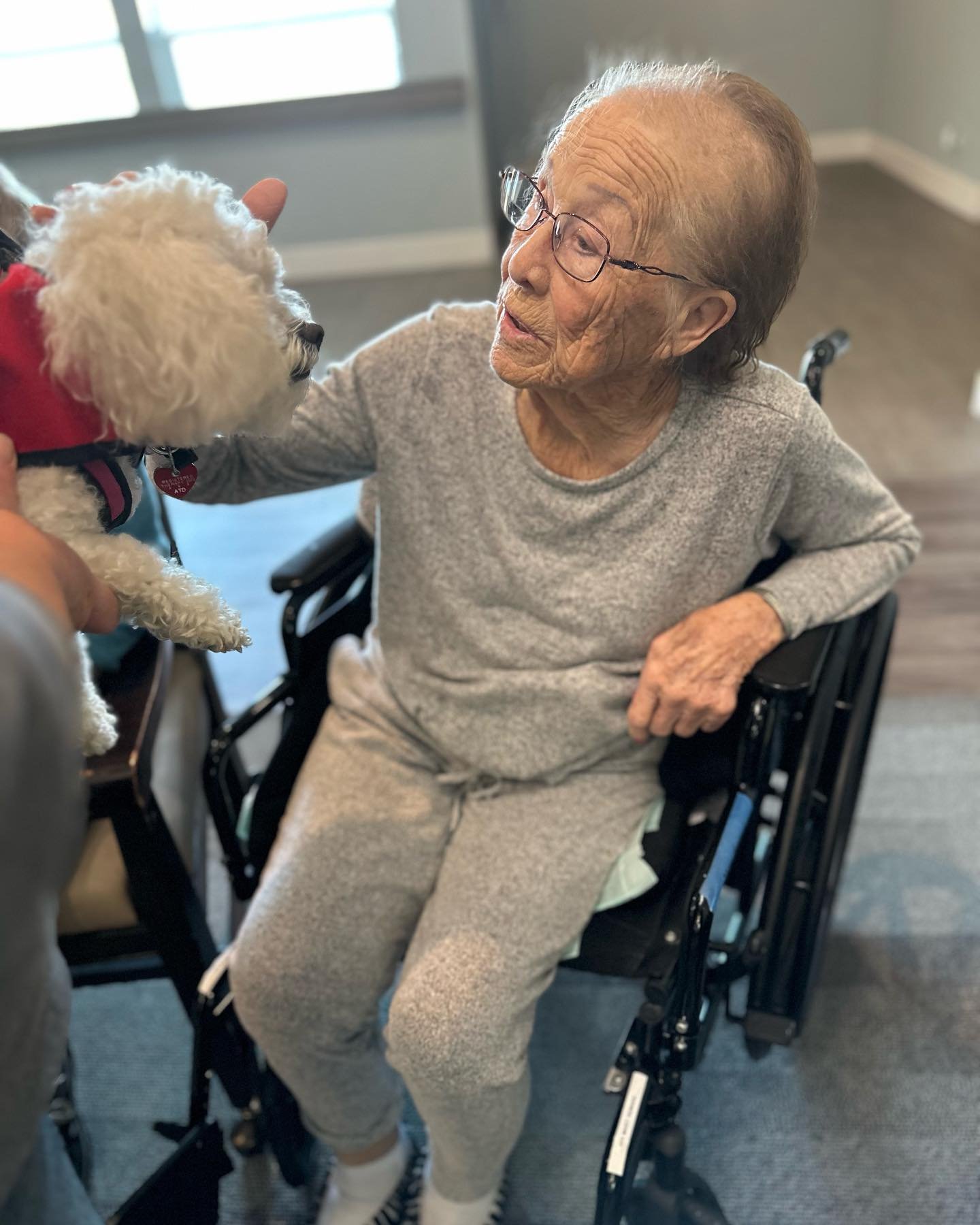
Many families initially attempt to manage all care requirements at home. However, direct societal costs for Alzheimer's reach billions annually, and informal caregiving often extracts a profound emotional and physical toll. Modifying a dementia-friendly home environment and living spaces with high-contrast safety fixtures, locked storage, and simplified navigation can significantly extend safe home residency. Yet, as functional deficits increase, comparing in-home adjustments with specialized residential environments becomes necessary.
| Care Dimension | Home Care Adjustments | Specialized Residential Memory Care |
|---|---|---|
| Environmental Safety | Grab bars, removed rugs, door chimes, stove locks | Purpose-built secure design, zero-threshold entries, continuous wandering paths |
| Daily Supervision | Family shifts, rotating visiting aides, adult day care | 24-hour on-site professional care teams and emergency response systems |
| Cognitive Engagement | Individual home activities, family outings | Structured daily programming, reminiscence therapy, sensory stimulation |
| Caregiver Dynamic | High risk of isolation, chronic fatigue, and burnout | Family transitions from round-the-clock manager back to loving relative |
| Nutritional Support | Meal preparation assistance, adaptive utensils | Chef-prepared, nutrient-dense dining with swallowing support and hydration tracking |
Managing Behavioral Triggers and Environmental Stressors
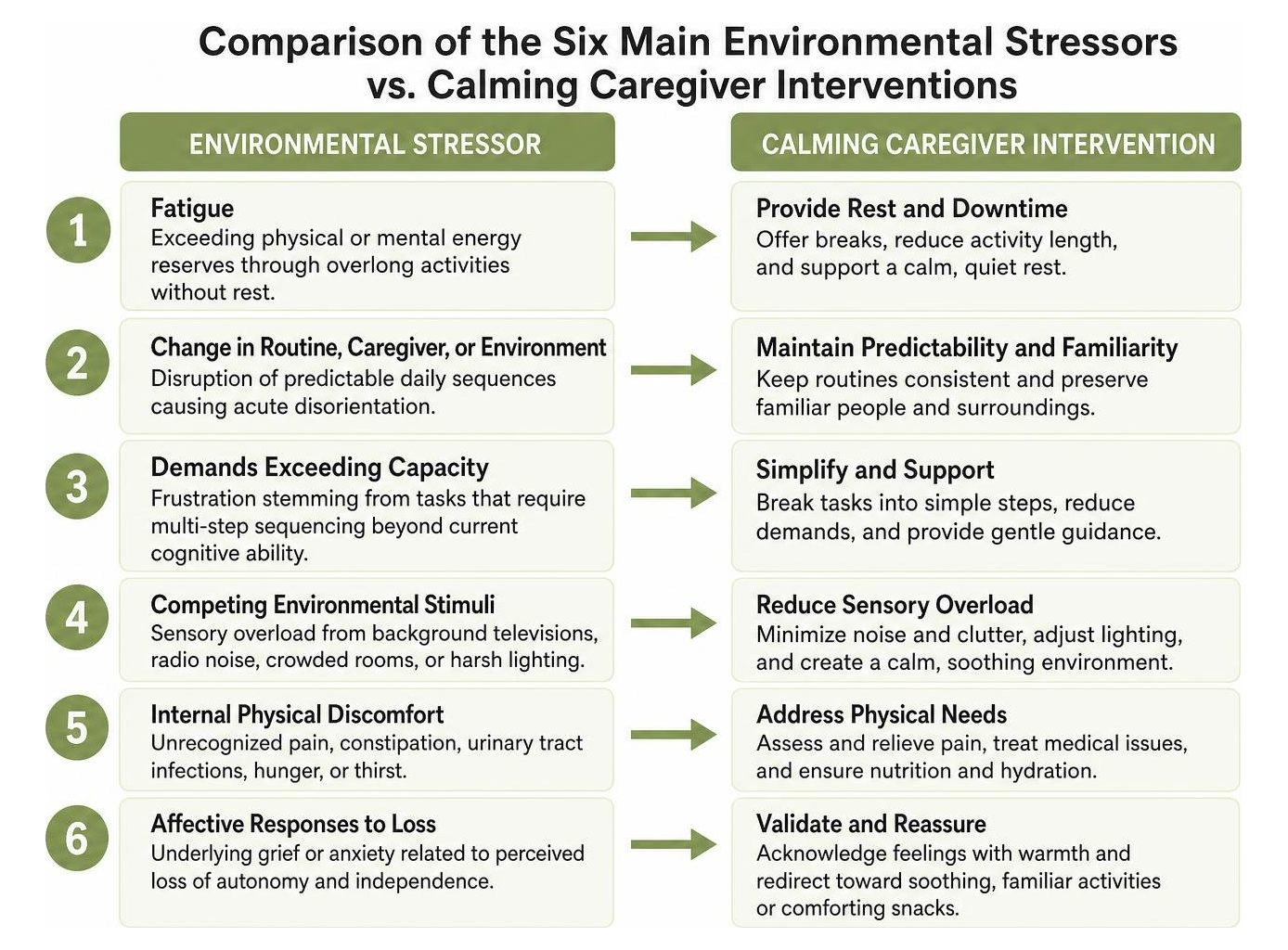
When behavioral challenges arise, clinicians look for the six primary stressors identified in dementia care frameworks:
- Fatigue: Exceeding physical or mental energy reserves through overlong activities without rest.
- Change in Routine, Caregiver, or Environment: Disruption of predictable daily sequences causing acute disorientation.
- Demands Exceeding Capacity: Frustration stemming from tasks that require multi-step sequencing beyond current cognitive ability.
- Competing Environmental Stimuli: Sensory overload from background televisions, radio noise, crowded rooms, or harsh lighting.
- Internal Physical Discomfort: Unrecognized pain, constipation, urinary tract infections, hunger, or thirst.
- Affective Responses to Loss: Underlying grief or anxiety related to perceived loss of autonomy and independence.
When managing these moments, avoid arguing, correcting, or attempting to use logical debate. Instead, practice reassurance and redirection: acknowledge the underlying emotion, validate the person's feelings with warmth, and gently guide attention toward a soothing, familiar activity or comforting snack.
When to Transition to Residential Memory Care
Recognizing the threshold where home-based care is no longer sustainable is a crucial step in care planning. Warning indicators often include unsafe wandering (elopement), severe nighttime wakefulness, progressive weight loss, frequent falls, and escalating caregiver exhaustion.
Moving into a dedicated community provides around-the-clock safety and professional support while restoring balance to family relationships. Communities like Vaca Valley Living offer access to specialized memory care amenities, including an on-site salon, scheduled transportation, secure outdoor courtyards, and purpose-built memory care floor plans designed to promote calm, independent navigation.
Frequently Asked Questions About Dementia Care Planning
What is Medicare CPT code 99483 for dementia care planning?
Medicare CPT code 99483 covers a comprehensive clinical cognitive assessment and care planning service for individuals diagnosed with Alzheimer’s disease, other dementias, or mild cognitive impairment. This service is performed by qualifying clinicians—including physicians, nurse practitioners, physician assistants, and clinical nurse specialists.
The service requires nine core elements:
- Cognition-focused evaluation
- Assessment of basic and instrumental activities of daily living
- Medication reconciliation
- Neuropsychiatric and behavioral symptom screening (e.g., NPI-Q)
- Evaluation of home and driving safety
- Caregiver capacity, stress, and support profiling
- Advance care planning discussion
- Assessment of comorbid medical conditions
- Creation and delivery of a formal, written, personalized care plan
How often should an individualized dementia care plan be updated?
A formal review of a dementia care plan should occur at least once every 12 months. However, updates should happen immediately whenever there is an acute transition, such as:
- A hospital admission or emergency department visit (e.g., for pneumonia, urinary tract infections, or fractures)
- Noticeable acceleration in cognitive or functional decline
- Emergence of new behavioral symptoms such as wandering, paranoia, or insomnia
- A change in the primary caregiver's health, living situation, or availability
How does the Progressively Lowered Stress Threshold (PLST) model improve daily care?
The PLST model conceptualizes dementia-related behaviors as a direct response to stress rather than unprovoked hostility. In healthy individuals, the stress threshold remains high throughout the day. In individuals living with dementia, damaged neurological pathways cause the stress threshold to drop steadily as sensory inputs and fatigue accumulate.
By building intentional rest periods into the care plan, eliminating sensory overload, and simplifying daily choices, caregivers keep stress levels well below the threshold. This proactive approach prevents catastrophic reactions, reduces anxiety, and enhances day-to-day quality of life.
Conclusion
Designing a comprehensive dementia care plan is one of the most effective steps you can take to protect your loved one’s dignity, safety, and comfort. By asking your physician targeted questions, establishing steady daily rhythms, and proactively addressing safety and legal protections, you build a sustainable foundation for every stage of the journey.
At Vaca Valley Living in Vacaville, CA, we draw upon our family-owned heritage and more than 50 years of senior care experience to provide compassionate, individualized memory care. Our 24-hour staffing, secure residential environment, and person-centered programs are built around the unique history and strengths of each resident we serve.
If you are navigating the complexities of cognitive decline, you do not have to do it alone. Contact our care team today, explore comprehensive residential memory care options, or schedule a consultation or request a tour to see how our family can support yours.