Finding the Best Vacaville CA Memory Care for Alzheimer's and Dementia
What to Look for in Vacaville CA Memory Care Communities

Choosing the right setting for a parent or spouse facing memory loss is one of the most emotional choices a family will make. When evaluating memory care, looking beyond surface aesthetics is crucial. Focus on how a community handles real-life, everyday moments—such as assisting someone when they feel confused, managing complex morning routines, or providing reassurance after a restless night.
A comprehensive care assessment forms the foundation of excellent care. Before move-in, an assessment identifies individual cognitive levels, physical capabilities, personal preferences, and medical history. In a specialized dementia care community, this information translates into personalized care plans for seniors that adapt as their condition evolves.
Core daily services should address essential physical and psychological needs:
- 24-Hour Staffing: Immediate, around-the-clock physical presence from team members who understand dementia-related behaviors.
- Medication Management: Timely, accurate administration of prescriptions to avoid missed doses or accidental double dosing.
- Assistance with Activities of Daily Living (ADLs): Patient, respectful assistance with bathing, dressing, grooming, eating, and mobility.
- Individualized Attention: Caregivers who know personal history, favorite foods, and calming techniques unique to each resident.
Key Safety Standards in Vacaville CA Memory Care
Safety is often the driving factor when moving a loved one from home into professional care. Alzheimer's and progressive dementias impair spatial awareness, depth perception, and judgment, significantly raising the risk of accidents and wandering.
A high-quality secure memory care unit integrates subtle architectural safeguards that protect residents without making them feel confined. Key safety features include:
- Wandering Prevention and Keypad Security: Discreetly secured exterior doors and alarmed exits that allow freedom of movement inside while preventing unsupervised departures.
- Safe Outdoor Courtyards: Enclosed, level walking paths and garden areas that allow residents to enjoy fresh air and sunshine safely.
- Fall Reduction Design: Well-lit corridors, continuous handrails, non-glare flooring, and walk-in showers equipped with sturdy grab bars.
- Emergency Response Systems: Integrated call buttons and continuous monitoring to ensure help arrives promptly when needed.
- Dementia-Trained Staff: Licensed and certified caregivers skilled in de-escalation techniques, gentle redirection, and mobility support.
Daily Life and Therapeutic Lifestyle Programs
Memory loss does not mean a person loses the capacity for joy, creativity, or connection. Purposeful activity is an essential therapeutic tool that reduces agitation, promotes better sleep patterns, and combats loneliness.
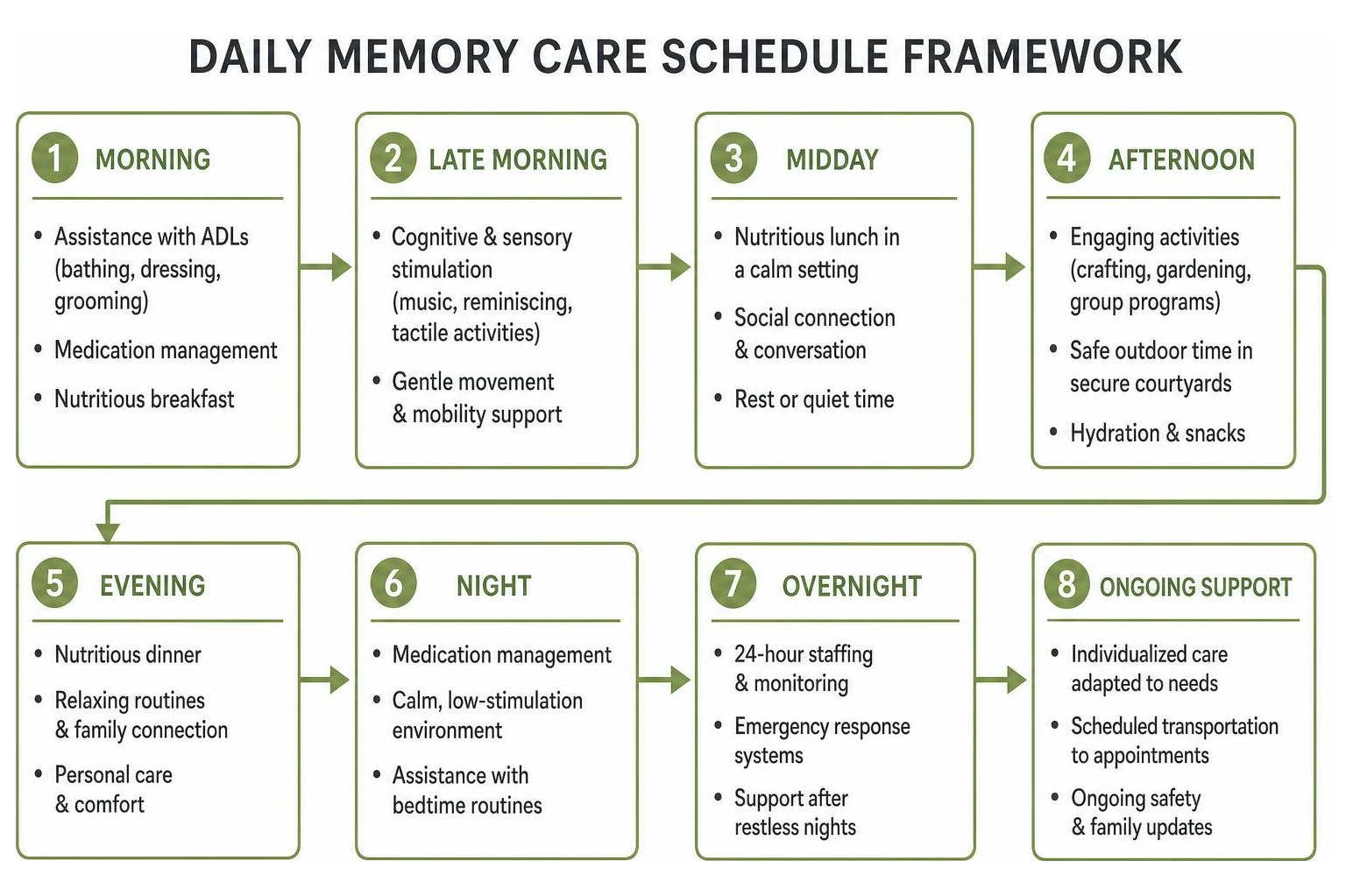
Engaging memory care programs incorporate structured routines filled with varied, life-enriching opportunities:
- Cognitive and Sensory Stimulation: Music therapy, reminiscence discussions, tactile crafting, and gardening that awaken long-term memories.
- Nutritious Dining: Balanced, delicious meals served in a calm setting, complete with finger-food options for individuals who find utensils frustrating.
- Comprehensive Community Amenities: On-site conveniences, such as an on-site beauty salon, make personal grooming an enjoyable pampering experience rather than a difficult errand.
- Scheduled Transportation: Safe, accompanied transit to local medical appointments across Vacaville, Dixon, Davis, and surrounding Solano County.
Families researching memory care can also review the Alzheimer's Association for guidance on dementia care standards and safety considerations.
Comparing Memory Care Services and Care Needs
Dementia affects everyone differently. While one individual may need minimal physical assistance but substantial cueing and safety supervision, another may require comprehensive help with every daily task.
Understanding the distinction between generalized senior housing and specialized memory support ensures your loved one receives the appropriate level of care:
| Care Need / Feature | Independent Senior Living | Traditional Assisted Living | Dedicated Memory Care |
|---|---|---|---|
| Cognitive Safety | Unsecured environment | Minimal security monitoring | Keypad-secured exits & wander prevention |
| Staff Training | General hospitality staff | Basic eldercare support | Specialized Alzheimer’s & dementia training |
| Staffing Availability | Daytime concierge | On-call / periodic checks | 24-hour awake, proactive caregivers |
| Daily Routine Support | Completely self-directed | Optional assistance | Structured, failure-free daily activities |
| Dementia Behaviors | Not equipped to manage | Limited de-escalation | Tailored redirection for sundowning/anxiety |
| Dining Assistance | Restaurant-style meals | Communal dining | Structured meals with cueing and modified diets |
Identifying Progression from Early Stage to Advanced Needs
Recognizing when mild cognitive impairment shifts into advanced dementia helps families plan care proactively before a crisis happens. In the early stages, an individual might simply misplace everyday items or struggle with complex financial tasks. During this phase, early stage dementia care focuses on maintaining independence while introducing basic safety nets.
As the disease progresses into the moderate and severe stages, symptoms become more disruptive:
- Sundowning Symptoms: Marked increases in confusion, restlessness, and anxiety during late afternoon and early evening hours.
- Behavioral Shifts and Resistance: Frustration stemming from an inability to communicate needs, leading families to research what stage aggression appears in dementia.
- Wandering Risks: Attempts to "go to work" or "go home," resulting in dangerous elopement risks.
- Caregiver Burnout: Family members experiencing physical exhaustion, depression, and chronic stress from providing constant supervision.
Local Community Support and Family Resources
Navigating memory loss should never be an isolated journey. Northern California offers several community programs designed to assist families through emotional, medical, and legal transitions.
Accessing local dementia support services gives families practical coping strategies and local educational workshops. Joining an Alzheimer's family support group provides a safe space to share feelings, learn from others walking the same path, and gain peer guidance through every stage of memory loss.
Evaluating Costs, Safety, and Quality of Life in Solano County
Understanding the financial landscape of memory care in Vacaville and Solano County allows families to plan responsibly. Memory care fees reflect around-the-clock staffing, specialized safety infrastructure, housekeeping, laundry, chef-prepared meals, and therapeutic programs.
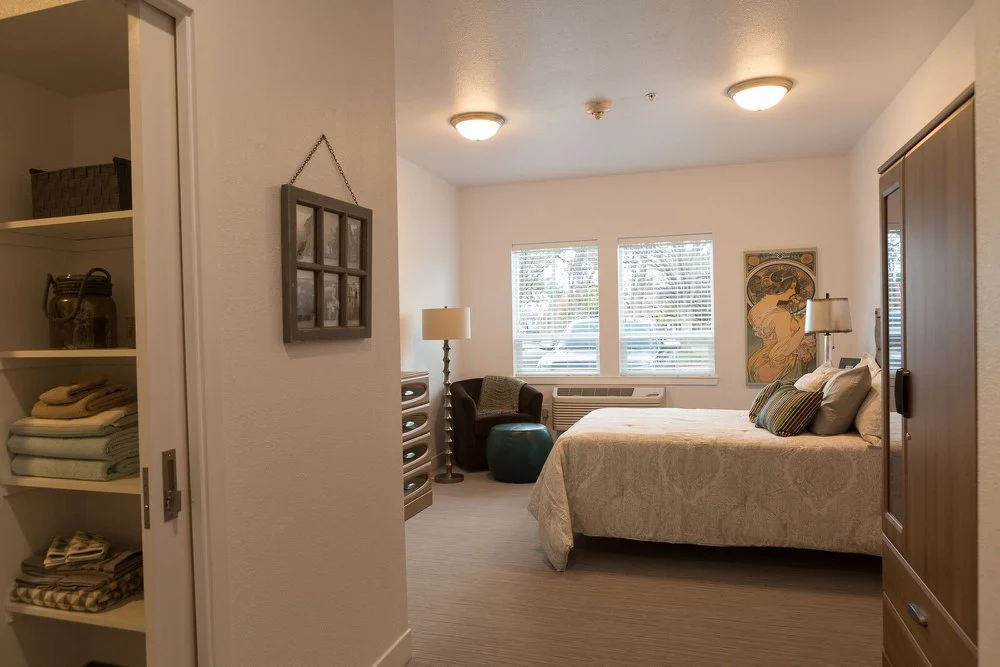
When reviewing suite floor plans, consider not just the physical square footage, but how the overall environment promotes comfort, privacy, and ease of navigation.
Financial Options to Support Memory Care:
- Private Pay: Personal savings, retirement funds, pensions, and proceeds from the sale of a family home.
- Long-Term Care Insurance: Policies designed to cover residential memory care and assistance with ADLs.
- Veterans Aid and Attendance Benefit: Monthly financial support available to qualifying wartime veterans and surviving spouses to offset memory care costs.
- Life Insurance Conversions and Bridge Loans: Specialized financial products designed to bridge the gap during asset liquidations.
Transition Strategies for Vacaville CA Memory Care Residents
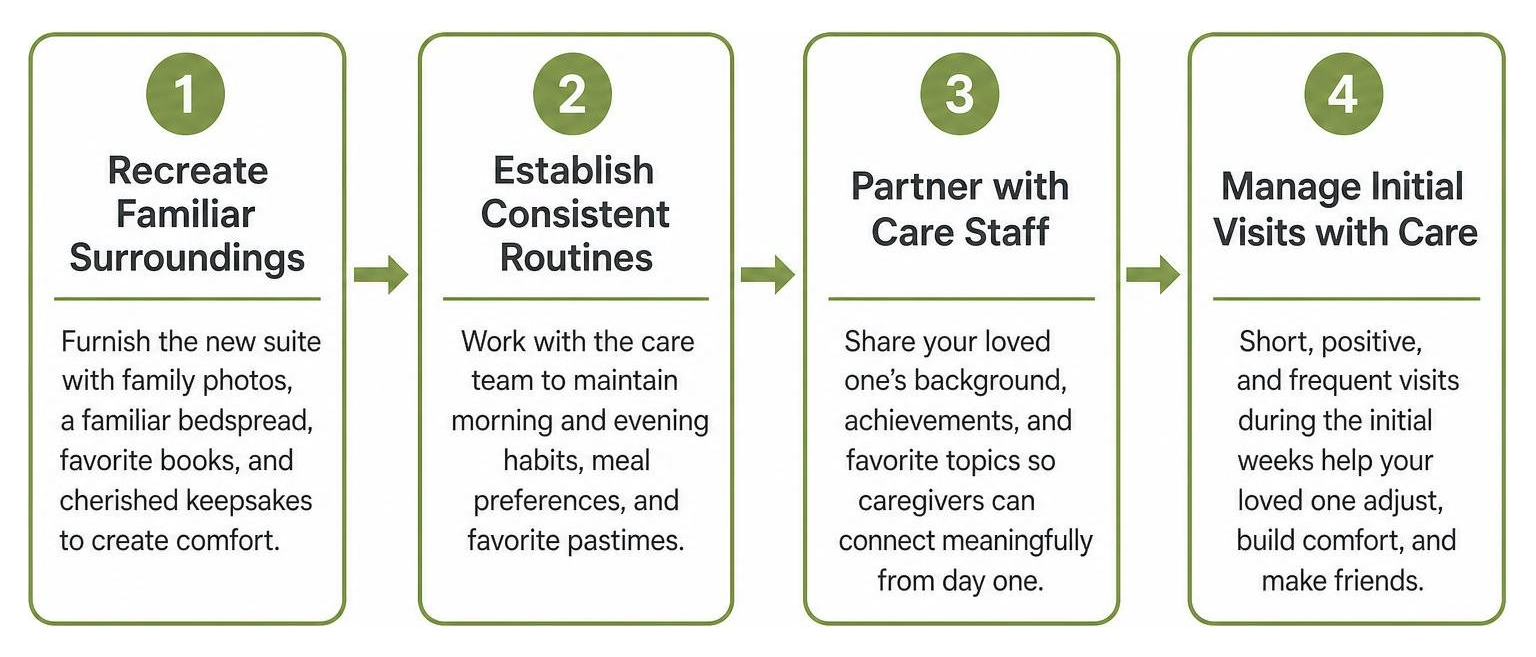
Moving a loved one into a residential community requires patience, empathy, and careful preparation:
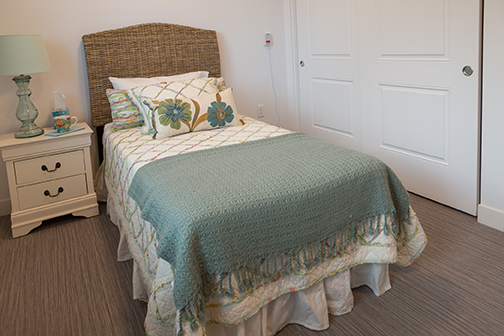
- Recreate Familiar Surroundings: Furnish the new suite with beloved family photographs, a familiar bedspread, favorite books, and cherished keepsakes to create immediate comfort.
- Establish Consistent Routines: Work closely with the care team to maintain personal morning and evening habits, favorite meal preferences, and pastimes.
- Partner with Care Staff: Share your loved one’s background, career achievements, and favorite topics of conversation with caregivers so they can connect meaningfully from day one.
- Manage Initial Visits with Care: Short, positive, and frequent visits during the initial weeks often work best while your loved one adjusts to their new schedule and makes friends.
Crucial Questions to Ask During Your Facility Tour
Touring a community in person offers the clearest view into daily life and staff interactions. When you schedule a tour, consider asking these essential questions:
- What is your staff-to-resident ratio during the day, evening, and overnight shifts?
- What specific dementia-care training and continuing education do your caregivers complete?
- How do you handle medical emergencies and coordination with outside physicians or hospice care?
- What are your family visiting hours, and how do you update families regarding health changes?
- Can the kitchen accommodate special dietary restrictions and texture-modified meals?
- How does the team handle challenging behaviors, agitation, or sundowning?
Frequently Asked Questions About Memory Care
What makes memory care different from general senior care?
Memory care provides specialized security features, such as keypad-controlled entries and enclosed outdoor courtyards, alongside 24-hour awake staffing trained specifically in dementia care techniques. Activities, dining programs, and floor plans are tailored to reduce confusion, prevent wandering, and support cognitive health.
When should a family consider moving a loved one to memory care?
Families should consider memory care when safety concerns rise—such as wandering, leaving the stove on, or missing medications. Other key indicators include declining personal hygiene, unmanaged sundowning, social withdrawal, or when caregiving demands exceed what family members can safely manage at home.
How is memory care paid for in California?
Memory care is primarily funded through private personal assets, long-term care insurance policies, and Veterans benefits like the Aid and Attendance program. While standard Medicare does not pay for room and board in residential memory care, it continues to cover primary healthcare services, physician visits, and hospice care.
Conclusion
Finding the right memory care community brings peace of mind to your entire family. With over 50 years of family-owned care experience, our team in Vacaville offers a warm, secure, home-like environment where residents with Alzheimer's and dementia are treated with dignity, compassion, and individualized respect.
Explore compassionate Vacaville memory care at Vaca Valley Living to see how our dedicated team, therapeutic programs, and specialized care plans can support your loved one's next chapter.