
Inside a Secure Memory Care Unit and How It Protects Vulnerable Seniors
How a Secure Memory Care Unit Protects Seniors With Dementia
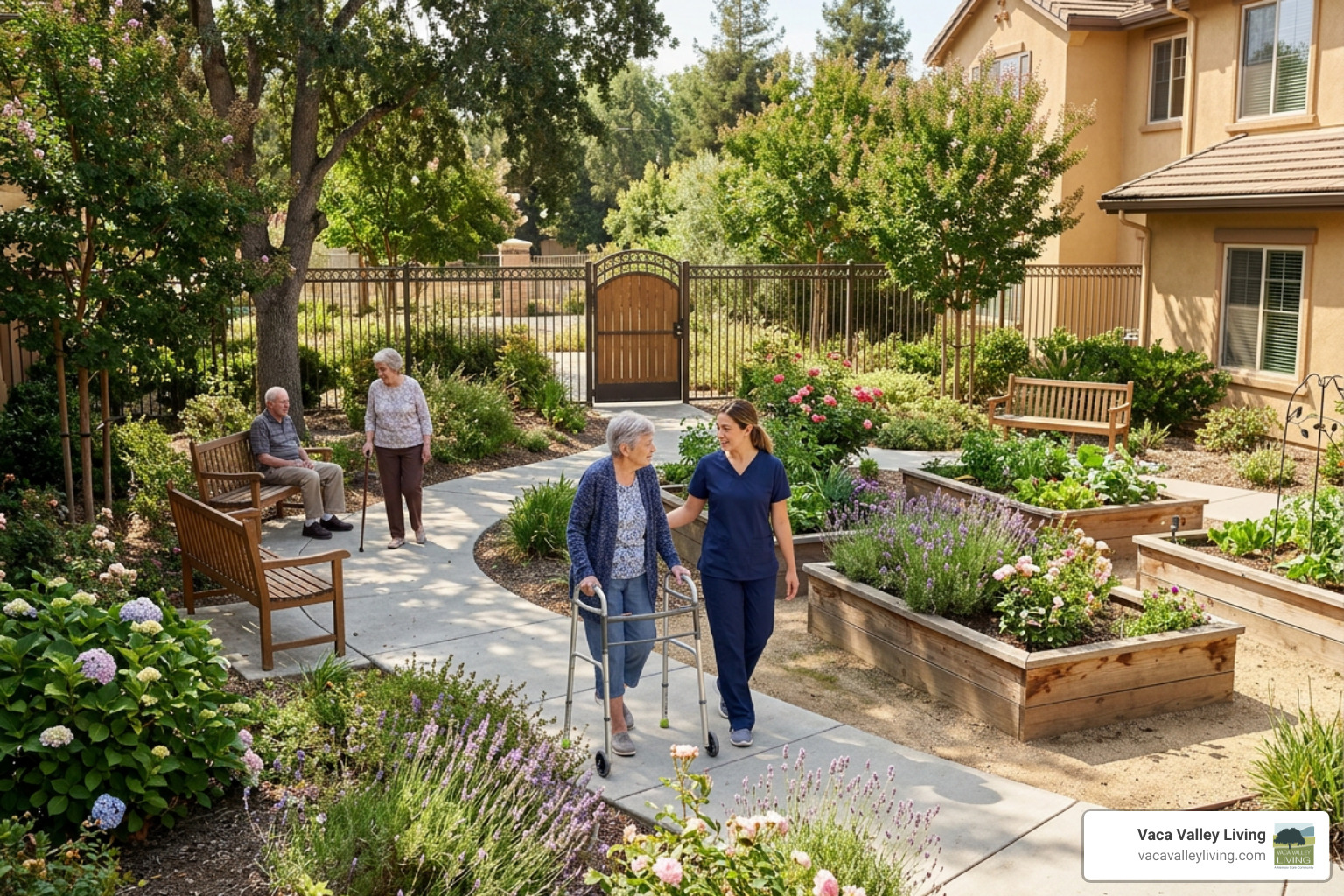
A secure memory care unit is a residential setting designed for people with Alzheimer's disease and other forms of dementia who need daily support and protection from wandering. It combines 24-hour supervision, trained caregivers, secured entrances and outdoor spaces, and dementia-friendly design that lets residents move safely rather than feel confined.
When comparing options for a parent, look for three basics:
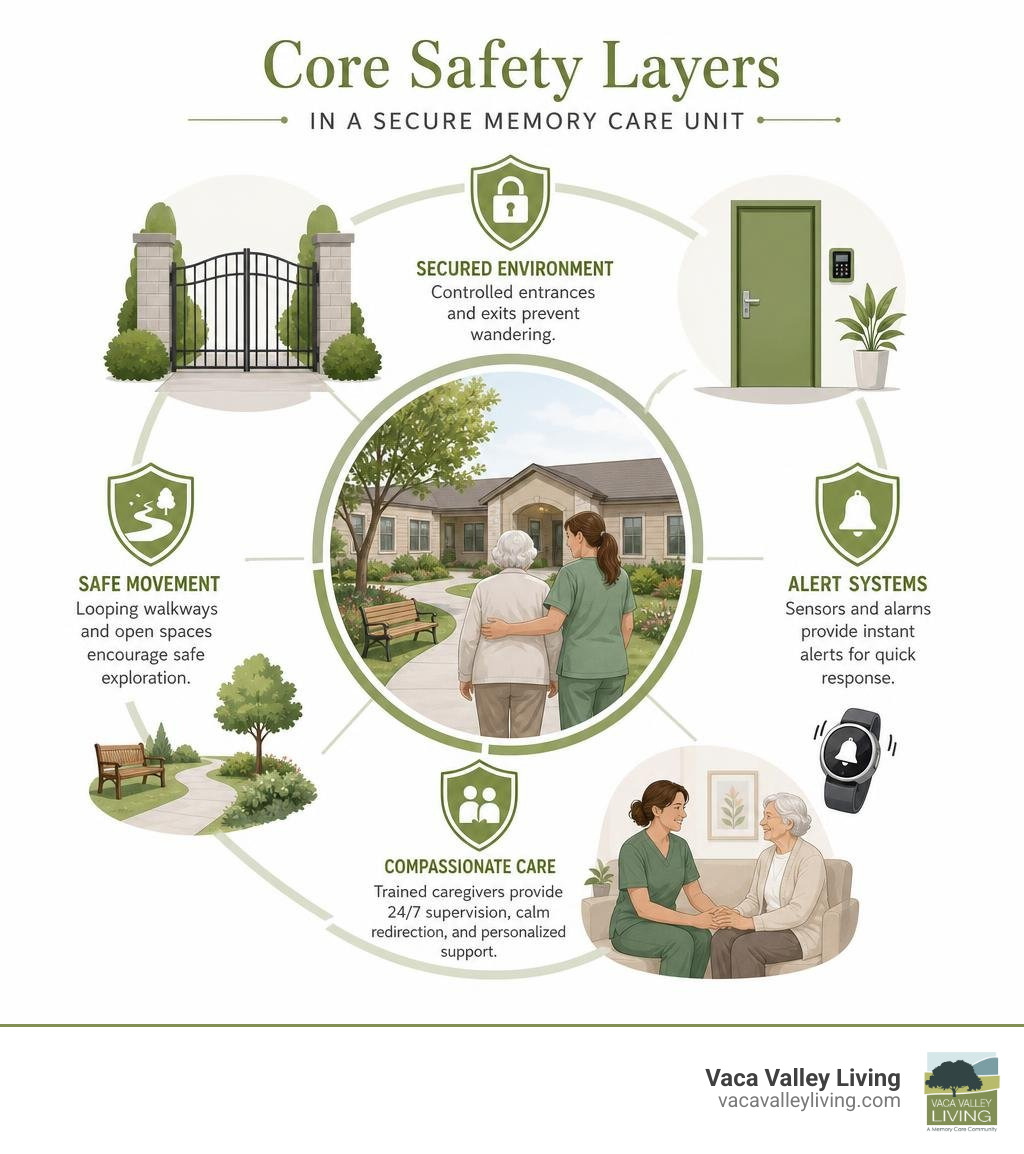
- Safe freedom of movement: Looping walkways, monitored courtyards, and no frustrating dead ends.
- Reliable protection: Secured exits, alert systems, and clear procedures for responding to exit-seeking behavior.
- Specialized care: Staff trained to calmly redirect, assist with daily needs, and recognize why a resident may be trying to leave.
Wandering is common: about three in five people with dementia may wander. In an unsecured setting, confusion can lead to traffic injuries, falls, extreme weather exposure, or getting lost. A well-run secure community reduces these risks while preserving comfort, routine, and dignity for the person you love.
Understanding the Need for Secured Dementia Care Environments
Caring for someone navigating cognitive decline at home is an act of deep love, but it often brings profound challenges. As neurological changes progress, individuals can experience intense disorientation regarding time, location, and identity. A loved one might suddenly believe they need to catch a bus to a job they retired from thirty years ago, or set out on foot to visit their childhood home in the middle of a stormy night.
These instances of exit-seeking and wandering (often referred to clinically as elopement) place immense physical and emotional strain on family caregivers. The constant vigilance required—waking up at every creak of the floorboards, double-checking door locks, and living with persistent anxiety—frequently leads to severe caregiver burnout.
When home safety modifications are no longer enough to guarantee physical well-being, transitioning to a dedicated setting becomes a protective choice rather than a personal failure. Secured environments are specifically built to absorb these behavioral expressions safely, offering what experts call "sheltered freedom." Residents gain the room to move, explore, and follow their natural daily rhythms without the constant, restrictive "no's" that cause agitation in standard homes.
What Defines a Secure Memory Care Unit?
A secure memory care unit—often licensed as an Alzheimer's Special Care Unit (SCU)—is a distinct, purpose-built residential neighborhood within an assisted living community, skilled nursing facility, or standalone memory care center. Unlike standard senior living, these units are legally licensed and structurally configured to support individuals experiencing moderate to advanced cognitive impairment.
Key defining elements include:
- Controlled Egress: All exterior exits, service doors, and perimeter gates are secured using keypad locks, delayed-egress magnetic latches, or silent electronic monitoring to prevent unassisted departures.
- Continuous 24-Hour Supervision: Dedicated caregivers, medication technicians, and life-enrichment coordinators maintain continuous visual oversight and assistance around the clock.
- Structured Daily Routines: Predictable schedules for dining, personal care, structured recreation, and quiet rest reduce anxiety, curb sundowning symptoms, and anchor the resident's day.
- Specialized Behavioral Support: Care approaches focus on meeting emotional needs beneath dementia-related behaviors, utilizing validation and gentle redirection rather than clinical restraint.
The Hidden Dangers of Unsecured Environments for Dementia Patients
The human urge to move is natural, but in an unsecured environment, cognitive impairment turns everyday surroundings into serious hazards. Data from the Alzheimer's Association shows that three in five people with dementia will wander at least once, and many do so repeatedly.
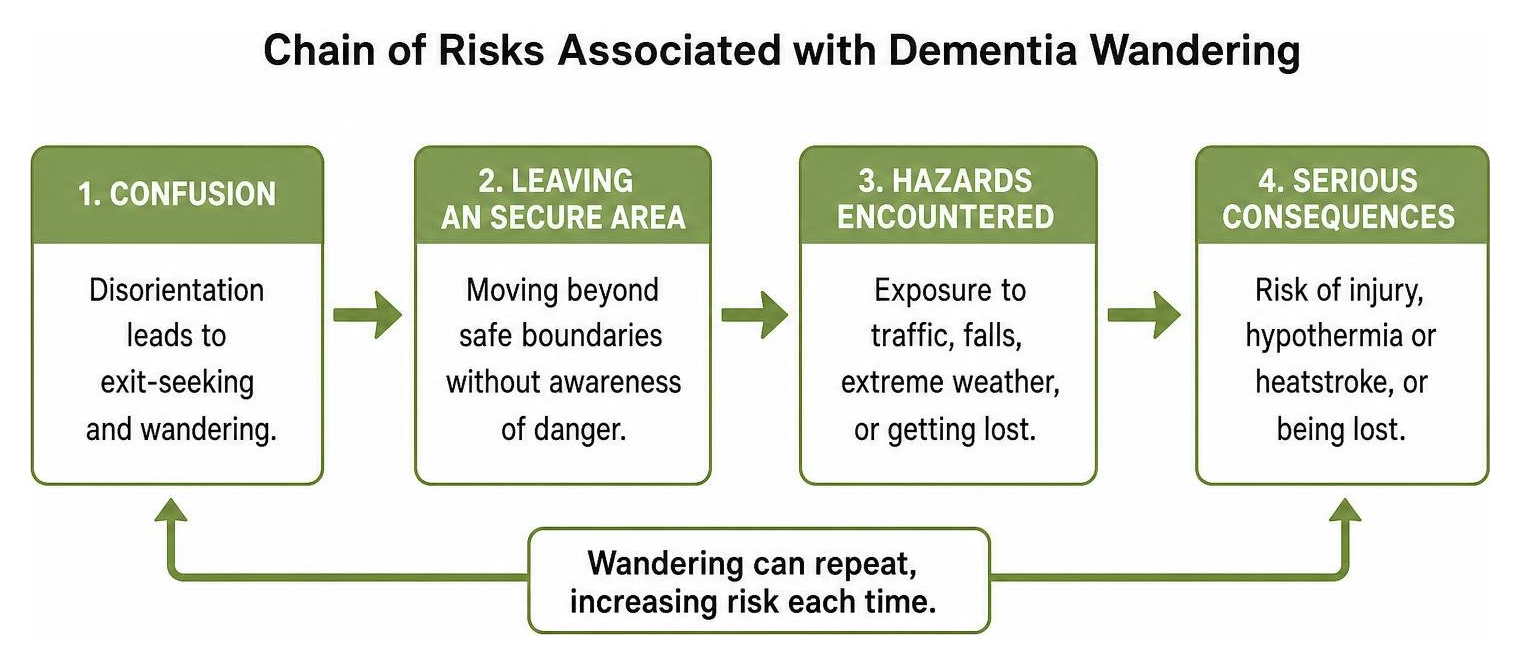
Without secured physical boundaries and specialized monitoring, wandering creates critical risks:
- Traffic Accidents: Impaired depth perception, slower reaction times, and an inability to read traffic signals make crossing roads exceptionally dangerous.
- Severe Weather Exposure: Disorientation can cause a senior to wander outside without seasonal clothing, resulting in hypothermia in winter or rapid dehydration and heatstroke during summer months.
- Fall Risks and Physical Trauma: Navigating unfamiliar terrain, curbs, steep stairs, or uneven sidewalks frequently leads to debilitating fractures and head injuries.
- Ingestion Hazards: In late stages of dementia, individuals may experience changes in taste and visual processing, potentially mistaking toxic household cleaning chemicals, poisonous garden plants, or inedible items for food.
- Unmet Physical Drivers: Exit-seeking often stems from simple, unmet physical needs that a senior cannot verbally express—such as a full bladder, hunger, joint pain, or feeling uncomfortably cold. Attempting to solve these basic problems without assistance can lead them outdoors into hazardous conditions.
- Ingrained Habits and Muscle Memory: A person may feel an overwhelming neurological compulsion to "pick up the kids from school" or "clock in for work," driving them to push past standard home doors unnoticed.
Architectural Design Features of a Secure Memory Care Unit
The physical layout of a memory care community does much of the safety work quietly in the background. Modern dementia architecture focuses on environmental psychology, crafting spaces that feel open, welcoming, and intuitive while eliminating environmental triggers that cause fear or frustration.
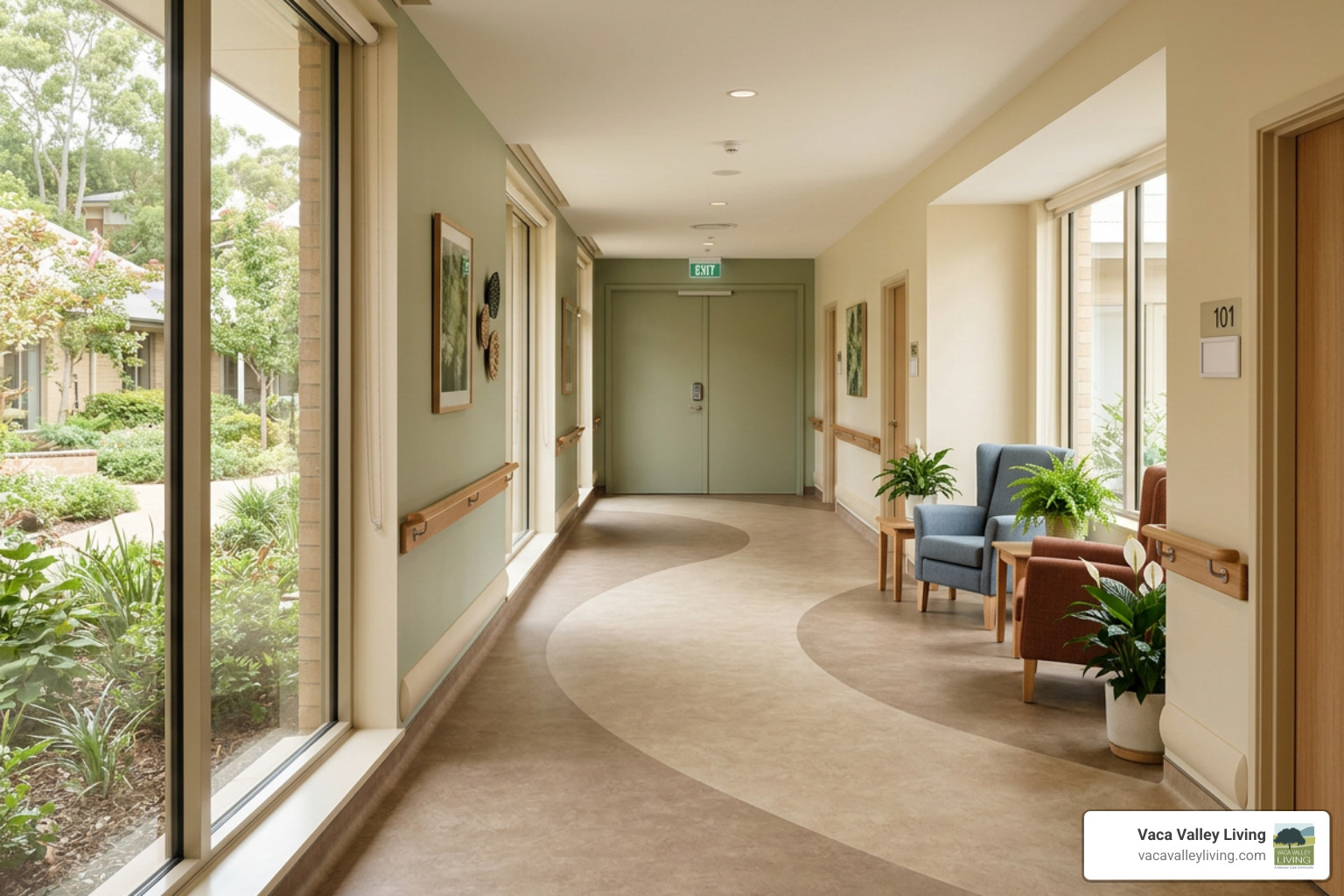
Intentional architectural elements include:
- Recursive Circular Walking Paths: Traditional hallways with dead ends often cause frustration and agitation for residents who pace. Secure units utilize continuous circular or looped interior corridors. Residents can walk uninterrupted, safely fulfilling their urge to move without hitting physical barriers.
- Camouflaged Exit Doors: To prevent frustration around locked exterior exits, doorways leading to service areas or parking lots are often painted to match adjacent walls, covered with peaceful murals, or masked behind decorative privacy screens. Because visual cues prompt exit-seeking, disguising these doors helps prevent distress.
- Low-Profile Deterrence Strategies: Visual perception changes with dementia; dark surfaces are often processed as deep physical voids. Communities sometimes utilize flush, low-profile black mats placed directly in front of off-limit service areas. Residents naturally walk around these spaces without the need for physical barriers.
- Secured Outdoor Courtyards: Fresh air and natural sunlight are vital for regulating circadian rhythms and improving nighttime sleep. Secure units incorporate fully enclosed, level courtyards with high, landscaped safety fences disguised by tall hedges, wide paved loops, and raised garden beds.
- Hydration and Snack Stations: Because continuous pacing burns significant physical energy, accessible seating alcoves stocked with fresh water, juices, and nutritious finger foods are positioned along walking routes to prevent fatigue and dehydration.
- Supportive Private Spaces: Thoughtfully arranged Floor Plans feature clear sightlines from bedroom suites to private bathrooms, intuitive color coding, and individualized memory boxes outside doorways to help residents recognize their personal living spaces independently.
Advanced Safety Technology and Staff Training Protocols
Physical building design works hand-in-hand with safety technology and specialized caregiver training. Together, these elements replace traditional locked-down environments with calm, supportive spaces.

Technology acts as a passive, non-intrusive safety net. Discreet door sensors alert caregivers immediately if an exterior door opens or if a resident attempts to access an off-limits area. Motion-activated lighting and low-profile bed sensors illuminate pathways to private restrooms during the night, reducing fall risks without startling the sleeper. Additionally, discreet wearable tracking devices and silent monitoring allow staff to pinpoint a resident's location within the community, providing immediate support whenever necessary.
However, technology is only as effective as the team operating it. Dementia care requires dedicated training that goes well beyond standard caregiving skills:
- Non-Confrontational Redirection: Caregivers are trained never to argue with, correct, or invalidate a resident's perceived reality. If a resident insists they must leave to catch a train, a trained caregiver validates that emotional need ("Let’s have a warm cup of coffee while we check the schedule together") to provide reassurance.
- Emergency Elopement Drills: Staff members routinely conduct rapid-response search protocols to ensure that in the rare event of an unauthorized door breach, the individual is located safely within moments.
- Identifying Behavioral Root Causes: Team members learn to interpret agitation, restlessness, or repetitive questioning as communication. Rather than treating behaviors with unnecessary sedative medications, staff address underlying physical discomforts, noise overstimulation, or fatigue.
- Low Caregiver-to-Resident Ratios: Maintaining low staff ratios ensures that team members have the time required to assist with dining, personal hygiene, and therapeutic activities at a calm, unhurried pace.
Understanding Memory Care Costs and Payment Options
Navigating the financial landscape of long-term dementia care is a significant consideration for families. Because memory care requires higher staffing ratios, continuous supervision, specialized licensing, and secure environmental design, costs are typically higher than standard independent or assisted living options.
The following table outlines national average cost comparisons, coverage realities, and practical payment options for memory care:
| Care Setting / Option | National Average Annual Cost | Primary Payment Sources | Coverage Limitations & Details |
|---|---|---|---|
| Basic Assisted Living | $74,400 per year | Private pay, Long-Term Care Insurance | Standard assistance with activities of daily living; not equipped with secured dementia safety features. |
| Specialized Memory Care | $85,000 – $98,000+ per year | Private funds, LTC policies, VA Benefits | Includes 24-hour supervision, secured perimeters, specialized programming, and dementia-trained staff. |
| Semi-Private Nursing Home | $114,975 per year | Medicaid, Private pay | Clinical hospital-style setting; covers medical nursing care rather than specialized social dementia programming. |
| Private Nursing Home Room | $129,575 per year | Private pay, Medicaid | Intensive medical care; highest cost category for long-term skilled nursing needs. |
Understanding coverage options helps families plan long-term care sustainability:
- Medicare Limitations: A common misconception is that Medicare pays for memory care. Medicare does not cover long-term residential room, board, or personal custodial care. It only covers short-term, medically necessary skilled nursing care or physical rehabilitation following a qualified inpatient hospital stay.
- Long-Term Care Insurance: Depending on the specific policy terms, comprehensive long-term care insurance policies frequently cover a substantial portion of residential memory care, provided cognitive impairment triggers are met.
- Veterans Aid and Attendance: Eligible wartime veterans and surviving spouses facing cognitive decline can receive monthly, tax-free pension supplements to offset the cost of memory care communities.
- All-Inclusive Value: While the upfront monthly rate may seem substantial, comprehensive memory care fees generally cover private or companion suites, three chef-prepared meals daily, housekeeping, medication management, personalized care assistance, secure indoor and outdoor spaces, and engaging life-enrichment Amenities.
How to Evaluate and Choose the Right Care Community
Selecting a secure memory care community requires thorough research, direct observation, and asking detailed questions. Visiting prospective communities in person allows you to evaluate the environment, observe staff interactions, and verify licensing standards.
Steps to guide your evaluation include:
- Verify State Licensing and SCU Designations: Confirm through state health and human services directories that the community holds the official Special Care Unit license or endorsement required to operate locked dementia units.
- Review State Survey Reports: Request the community’s most recent state health inspection and licensing compliance records to check for past safety citations or staffing discrepancies.
- Make Unannounced Mealtime Visits: Plan an unscheduled visit during lunch or dinner. Observe whether the dining room is calm and pleasant, if meals are presented attractively, and whether caregivers provide patient, dignified feeding assistance.
- Examine the Activity Calendar in Action: Look beyond written schedules to ensure social and sensory activities are actively taking place. Are residents engaged in music, crafts, and movement, or are they sitting unattended in front of a television?
- Clarify Aging-in-Place and Discharge Policies: Ask specifically what medical or behavioral changes might trigger a required move to skilled nursing. A transparent community clearly defines its care boundaries and end-of-life support capabilities.
Questions to Ask When Touring a Secure Memory Care Unit
Use this checklist during your community tours to assess safety, staffing, and daily care practices:
- What specific dementia care training do caregivers receive upon hiring, and how many hours of continuing education are required annually?
- What is your direct caregiver-to-resident ratio during the day, in the evening, and overnight?
- How long has the core caregiving and administrative team been with this community?
- What specific technological systems (door alarms, motion sensors, tracking wearables) are in place to monitor resident movement?
- What is your step-by-step protocol if a resident displays persistent exit-seeking behavior or becomes agitated?
- How are secure outdoor courtyards utilized, and do residents have independent access to fresh air during daylight hours?
- How does the culinary team accommodate changing motor skills, such as providing adaptive utensils or nutrient-dense finger foods?
- How frequently do you communicate routine wellness updates and care plan adjustments to family members?
Frequently Asked Questions About Memory Care Safety
Why do seniors with dementia attempt to wander or elope?
Wandering is rarely random; it is typically driven by an underlying purpose that the individual cannot fully articulate. Neurological damage caused by dementia impairs short-term memory, orientation, and environmental perception.
Common triggers include:
- Searching for familiar people, places, or routines from decades past.
- An attempt to fulfill basic physical needs like finding a restroom, drinking water, or seeking relief from physical discomfort.
- Response to sensory overload, loud noises, or unfamiliar settings that induce a fight-or-flight panic.
- Disrupted circadian rhythms that cause confusion between day and night (sundowning).
Does Medicare cover the cost of residential memory care?
No. Traditional Medicare does not cover the room, board, or daily personal care services provided in residential memory care or assisted living communities. Medicare is designed to pay for acute medical care, doctor visits, hospitalizations, prescription medications, and limited, short-term skilled rehabilitative therapy.
Families fund residential memory care through a combination of personal savings, retirement accounts, home equity sales, long-term care insurance benefits, and specialized programs like Veterans Aid and Attendance.
How do secure memory care communities balance safety with resident freedom?
High-quality memory care operates on a philosophy of "sheltered freedom." Rather than restricting residents to individual bedrooms, communities are designed as complete, secure environments.
Residents can move freely between dining rooms, living areas, sensory rooms, and enclosed outdoor gardens without asking permission or encountering locked barriers at every turn. Clear visual cues, wide looping corridors, and discreet safety measures eliminate the frustration of physical boundaries while keeping every resident safely within protected grounds.
Choosing Compassionate, Secured Care for Your Loved One
Making the decision to transition a family member to specialized memory care is an emotional journey. Moving into a dedicated care setting ensures your loved one receives the safety, structure, and professional attention they deserve, while allowing family members to return to their primary roles as loving spouses, daughters, sons, and partners.
At Vaca Valley Living, we understand the nuances of dementia and the importance of compassionate, individualized support. As a family-owned community with over 50 years of senior living experience in Vacaville, California, we provide a warm, home-like setting tailored to the unique physical, emotional, and social needs of each resident. Our secure neighborhood balances round-the-clock safety and intentional design with dignity-affirming life enrichment programs.
To learn more about our philosophy, experienced care team, and community resources, explore About Vacavalley Living. When you are ready to explore how we can support your family, please visit our Contact page to schedule a personal tour, or explore our complete continuum of specialized services directly at Vaca Valley Living.