
Better Aging Begins with Personalized Senior Care Plans
Why Personalized Care Plans Help Seniors Age More Safely

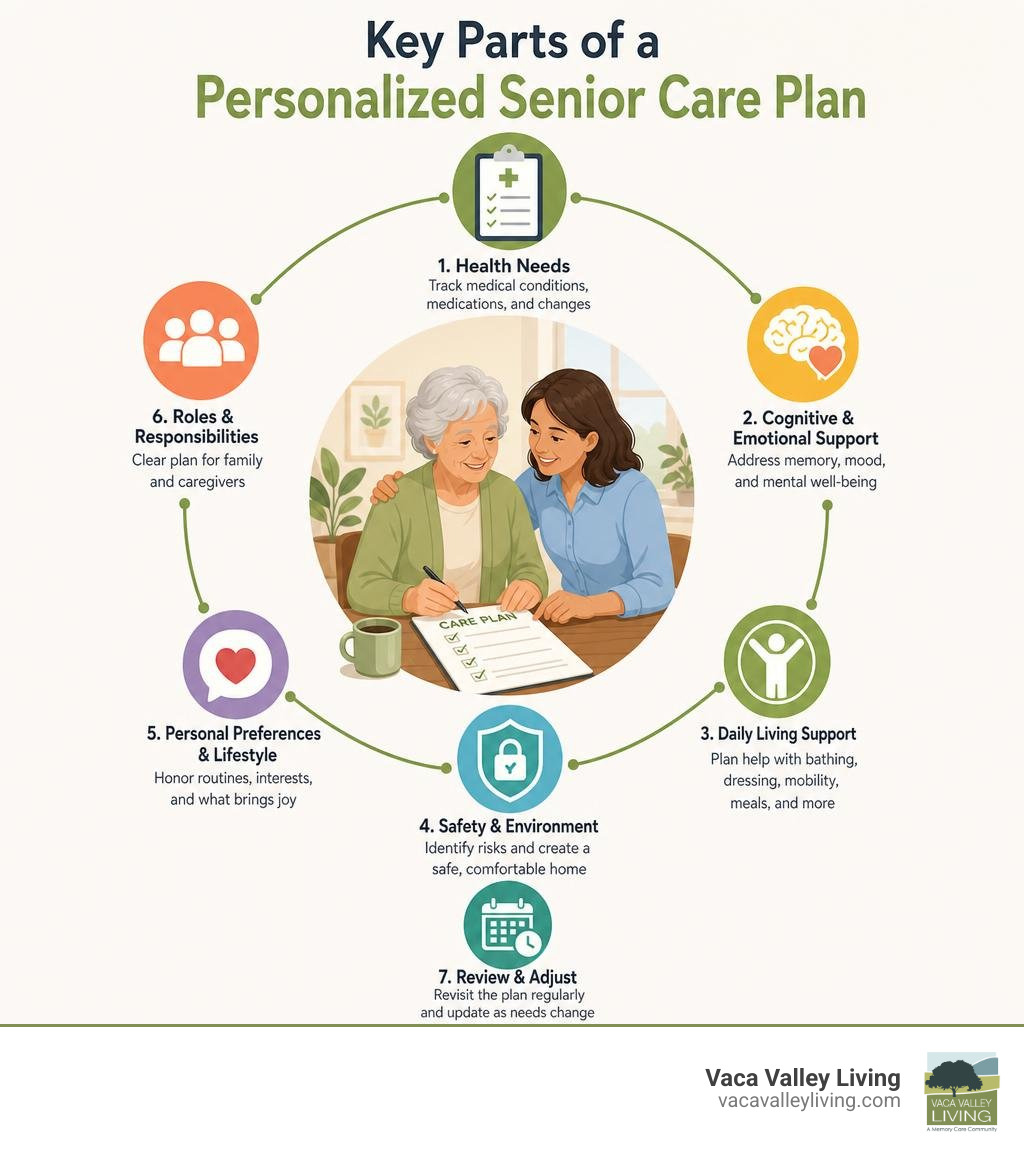
Personalized care plans for seniors turn broad concerns into clear daily support. Start by documenting your loved one's health needs, memory changes, medications, ability to manage daily tasks, safety risks, and personal preferences. Then set a few realistic goals, assign responsibilities, and review the plan whenever needs change.
For a parent living with Alzheimer's, a good plan is not just a medical checklist. It should explain what helps them feel calm, safe, respected, and connected - from familiar routines and favorite meals to the right level of help with bathing, mobility, and medication.
The goal is simple: provide enough support to protect well-being while preserving as much choice and independence as possible. A written, person-centered plan also gives family members and professional caregivers one shared guide, reducing confusion during busy days or health changes.
Understanding Personalized Care Plans Seniors Need for Better Health Outcomes
As our loved ones age, their health needs rarely fit into neat, predictable boxes. A generic approach to eldercare often overlooks subtle changes, leading to preventable health declines and unnecessary hospitalizations. Tailored care management bridges this gap by evaluating an older adult’s intrinsic capacity—their combined physical and mental reserves—alongside their actual functional ability in daily life.
When daily care is mapped directly to an individual's unique health patterns, proactive tracking becomes second nature. Regular monitoring allows family members and care teams to spot emerging risks early, whether it is an unsteady gait after a medication adjustment or early signs of cognitive fatigue in the late afternoon. This proactive strategy protects long-term quality of life and significantly decreases the emotional strain placed on family caregivers.
Core Components of a Comprehensive Care Strategy
An effective, person-centered care plan covers far more than just doctor visits. To deliver balanced support, a comprehensive strategy integrates several vital domains:
- Activities of Daily Living (ADLs): Clear guidelines detailing the precise level of hands-on assistance, supervision, or cueing required for bathing, dressing, personal hygiene, eating, toileting, and transfers.
- Instrumental Activities of Daily Living (IADLs): Support structures for household maintenance, safe laundry practices, meal preparation, telephone use, and dependable transportation.
- Medical and Nursing Care: Detailed schedules for medication administration, routine reconciliation to avoid dangerous drug interactions, specialist therapies (physical, occupational, and speech), and clinical nursing treatments.
- Fall Risk Reduction and Mobility Support: Targeted safety interventions, environmental adjustments, assistive device protocols, and physical exercises aimed at preserving balance and muscle tone.
- Nutrition and Dietary Management: Custom meal planning accounting for therapeutic diets, food textures, fluid intake goals, allergies, and personal flavor favorites.
- Cognitive and Psychosocial Well-Being: Structured social routines, creative engagement, spiritual practices, intellectual stimulation, and specialized cueing designed to manage memory loss with dignity.
Enhancing Independence and Managing Chronic Conditions
Preserving an older adult’s self-determination is essential to their overall wellness. True individualized care does not mean stepping in to take over every daily task; instead, it provides the exact balance of assistance needed so seniors can safely perform tasks on their own. Whether an individual is managing arthritis, cardiovascular challenges, diabetes, or progressive memory loss, tailored interventions support dignity and personal agency.

Aligning daily support with established clinical benchmarks—such as the federal person-centered care planning standards outlined in federal healthcare regulations—ensures that care is trauma-informed, culturally competent, and centered around the resident's rights. For individuals navigating Alzheimer's disease or related dementias, this individualized structure prevents the disorientation and anxiety that frequently accompany generic care environments.
How to Assess Needs and Build an Individualized Senior Care Management Plan
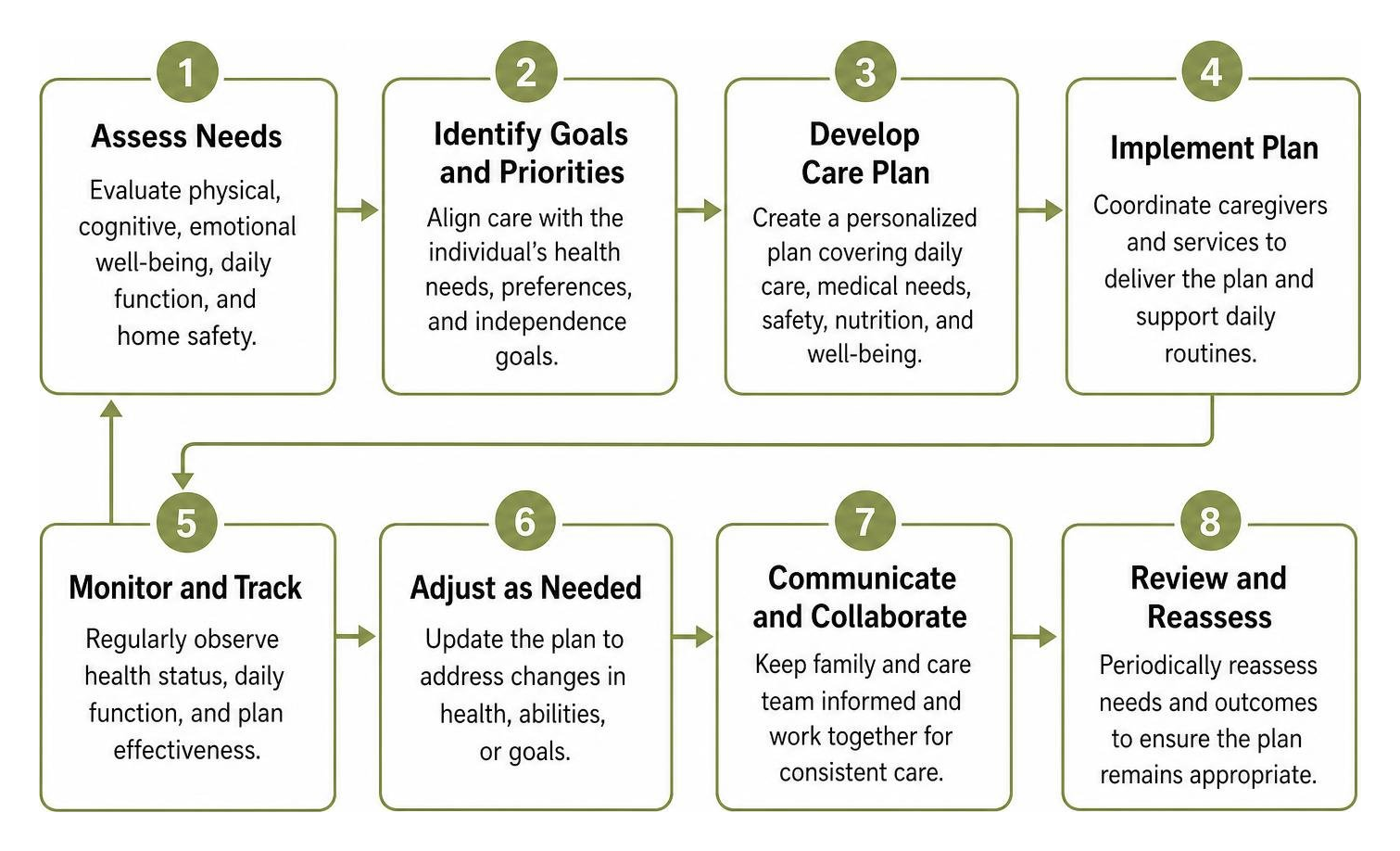
Creating a sustainable roadmap begins with an objective assessment of your loved one's day-to-day realities. Rather than relying on guesswork, families can utilize proven functional frameworks like the Katz Index of Independence in Activities of Daily Living alongside cognitive screenings and home safety walkthroughs.
Assessing Physical, Cognitive, and Emotional Well-Being
A thorough assessment evaluates the whole person rather than focusing solely on medical diagnoses. Take time to observe how your loved one handles daily tasks across different times of the day, as cognitive clarity and physical stamina often fluctuate.

During this evaluation phase, prioritize these core areas:
- Sensory and Physical Capabilities: Check vision, hearing, dexterity, and stability during room-to-room navigation or chair transfers.
- Cognitive Processing and Orientation: Note recurring short-term memory lapses, changes in problem-solving ability, wandering tendencies, or communication challenges.
- Emotional Health and Trauma History: Recognize past life experiences, sources of anxiety, and social preferences to deliver trauma-informed, calming care.
- Environmental Safety: Identify home hazards such as loose rugs, inadequate lighting in hallways, steep entryways, and inaccessible bathroom fixtures.
Setting Person-Centered Goals for Personalized Care Plans Seniors
Effective goal setting requires genuine shared decision-making among the senior, their family, and healthcare professionals. Plans often fail when goals reflect only what family members want rather than what the older adult values most.
According to global clinical frameworks, including the WHO integrated care guidance, the most successful care strategies distinguish broad life desires from specific health targets. Focus on selecting up to three primary goals over a 3-to-12-month horizon. For example, rather than simply stating "improve mobility," frame the target around an activity they love: "Build lower-body strength through guided physical therapy three times a week so Mom can safely stroll in the garden each morning."
Assembling the Multidisciplinary Care Team and Navigating Family Conversations
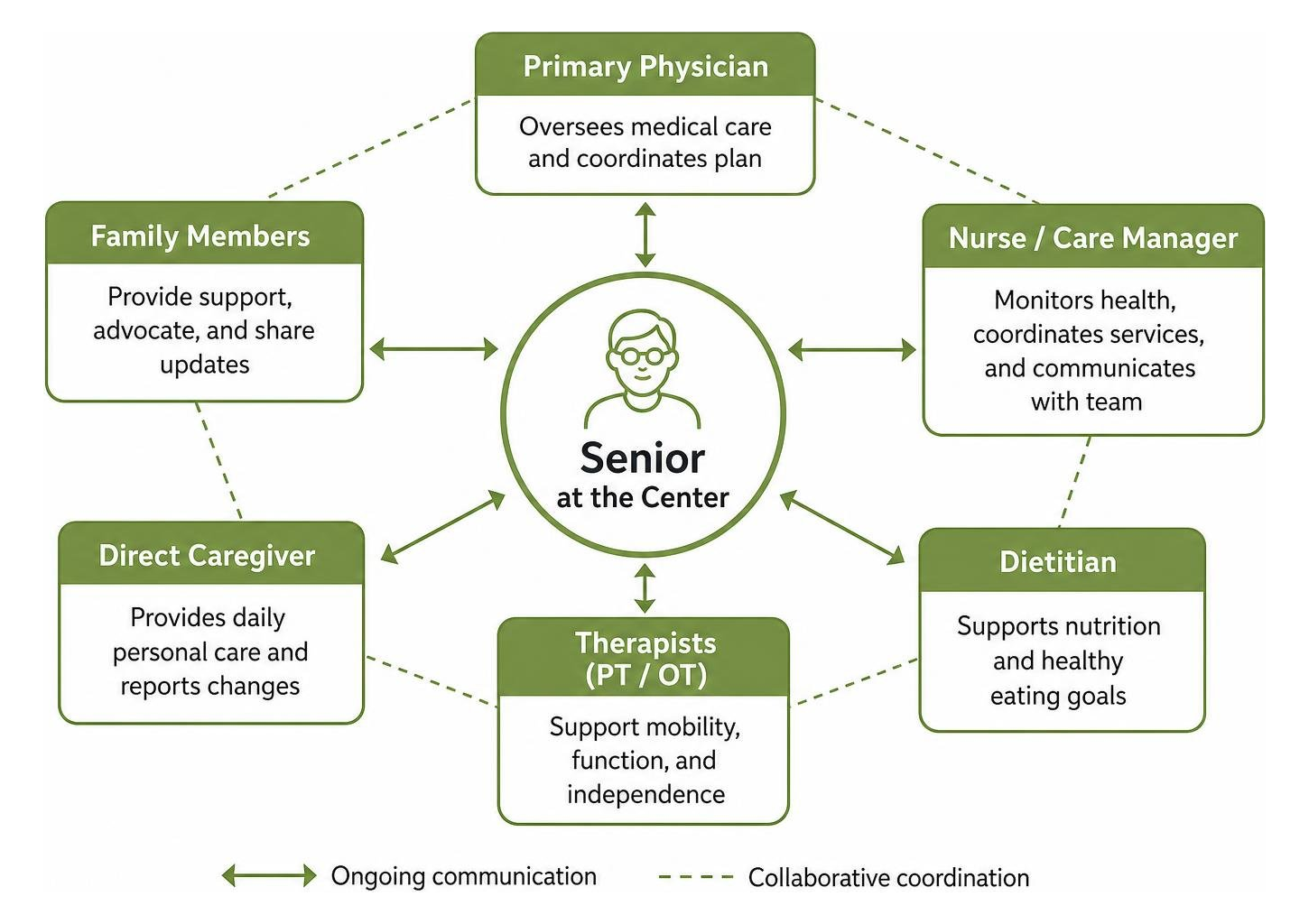
No single person can manage all aspects of eldercare alone without risking exhaustion. A dependable care team unites family members, primary physicians, nurses, physical therapists, dietitians, and direct caregivers into a collaborative network.
Engaging Loved Ones and Overcoming Resistance to Assistance
It is entirely natural for an aging parent to feel apprehensive about accepting help. Fear of losing independence, privacy concerns, or reluctance to acknowledge cognitive decline can lead to friction.
When discussing care needs:
- Choose Calm, Unhurried Moments: Avoid initiating care conversations during emergencies, stressful medical appointments, or family holidays.
- Practice Active Listening: Acknowledge their frustrations and validate their feelings before offering solutions.
- Frame Support Around Autonomy: Emphasize that receiving assistance with chores, meal prep, or medication management frees up energy for hobbies and family time.
- Introduce Changes Gradually: Start with small, non-intrusive adjustments—such as a weekly housekeeping visit or safety grab bars in the bathroom—before expanding to comprehensive daily support.
Coordinating Family and Professional Caregivers
Caregiver burnout is a real risk when responsibilities fall disproportionately on one family member. Establishing a clear division of duties prevents misunderstandings and ensures consistent care.
- Assign Concrete Roles: Designate specific tasks based on availability and strengths—one person can handle insurance claims and bills, another can coordinate physician visits, and local relatives can manage social outings.
- Centralize Medical Records and Contacts: Keep an updated emergency binder or digital folder containing medication lists, insurance details, physician numbers, and legal directives (such as durable power of attorney).
- Maintain a Predictable Communication Cadence: Schedule brief bi-weekly check-ins to share updates, discuss emerging needs, and adjust caregiving schedules before fatigue sets in.
Evaluating Care Environments for Specialized Senior Support
As care needs increase—especially when managing moderate to severe dementia—families often reach a point where in-home care alone cannot provide adequate 24-hour safety and engagement. Evaluating residential settings tailored to progressive memory loss helps ensure your loved one receives consistent, compassionate support.
| Care Dimension | Standard Residential Care | Specialized Memory Care Community |
|---|---|---|
| Staff Training | General caregiving and basic personal assistance | Dementia-certified training in behavioral redirection, cueing, and validation |
| Safety Measures | Standard facility security and emergency pull cords | Purpose-built secure perimeters, gentle wayfinding design, and continuous monitoring |
| Life Enrichment | Broad recreational activities and social events | Sensory-based, structured cognitive programs tailored to individual memory stages |
| Dining Support | Standard community dining menus | Adaptive dining, cueing assistance, textured meals, and nutritional monitoring |
| Environmental Layout | Traditional apartment and hallway layouts | Calming, circular architectural designs to prevent pacing frustration and confusion |
Choosing Purpose-Built Residential Living Environments
Selecting the right living environment involves looking beyond surface features to evaluate how daily life is structured. Purpose-built communities remove the everyday hazards of living alone while offering rich opportunities for socialization and gentle stimulation.
At Vaca Valley Living in Vacaville, California, our family-owned community draws on more than 50 years of senior care experience to create a warm, home-like environment for seniors with Alzheimer's and dementia. With 24-hour staffing, full medication management, and specialized dining, residents enjoy an engaging lifestyle. Families can explore our purpose-built amenities and select from thoughtfully designed, secure floor plans tailored to individual comfort.
Implementing Continuous Monitoring for Personalized Care Plans Seniors
A care plan is a living document that must adapt alongside your loved one's health status. Static plans quickly become obsolete when mobility changes, prescriptions are updated, or cognitive stages shift.
- Mandatory Review Intervals: Conduct a formal evaluation at least every six months, or quarterly if your loved one is managing advanced health conditions.
- Event-Driven Adjustments: Immediately revise the plan following hospital discharges, falls, unexpected weight loss, or changes in medication.
- Clear Escalation Protocols: Establish exact steps for caregivers to follow when acute symptoms arise, ensuring rapid medical intervention when necessary.
Frequently Asked Questions About Senior Care Planning
How often should a senior care plan be updated?
A care plan should undergo a complete review at least once every six months, as well as quarterly in long-term care environments. However, immediate updates are necessary whenever there is a significant health event, such as a hospitalization, a new medical diagnosis, a fall, or a noticeable change in cognitive function.
Does Medicare cover care planning for Alzheimer's and dementia?
Yes. Medicare Part B covers dedicated cognitive assessment and care planning sessions for individuals exhibiting signs of cognitive impairment or Alzheimer's disease. These comprehensive appointments allow clinicians to evaluate cognition, review medications, assess functional ability, and help families document advance care directives.
How do you create a care plan if an aging parent resists help?
Start by engaging them in low-pressure conversations centered on their personal goals rather than their physical limitations. Ask what daily tasks drain their energy and introduce assistance gradually. Involving a trusted third party—such as their primary care physician, a geriatric care manager, or a family friend—can help frame care recommendations objectively without triggering defensiveness.
Conclusion
Navigating the aging journey requires thoughtful preparation, empathy, and open communication. Developing a comprehensive, individualized care strategy ensures your loved one receives the precise balance of safety, clinical oversight, and personal autonomy they deserve, giving your entire family true peace of mind.
If you are exploring dedicated memory support in Northern California, Vaca Valley Living is here to guide your family. Our specialized team creates tailored care routines in a secure, nurturing environment where seniors living with Alzheimer's and dementia can truly thrive.