Ultimate Checklist for Finding Memory Care Options
Finding Safe, Compassionate Memory Care for a Parent
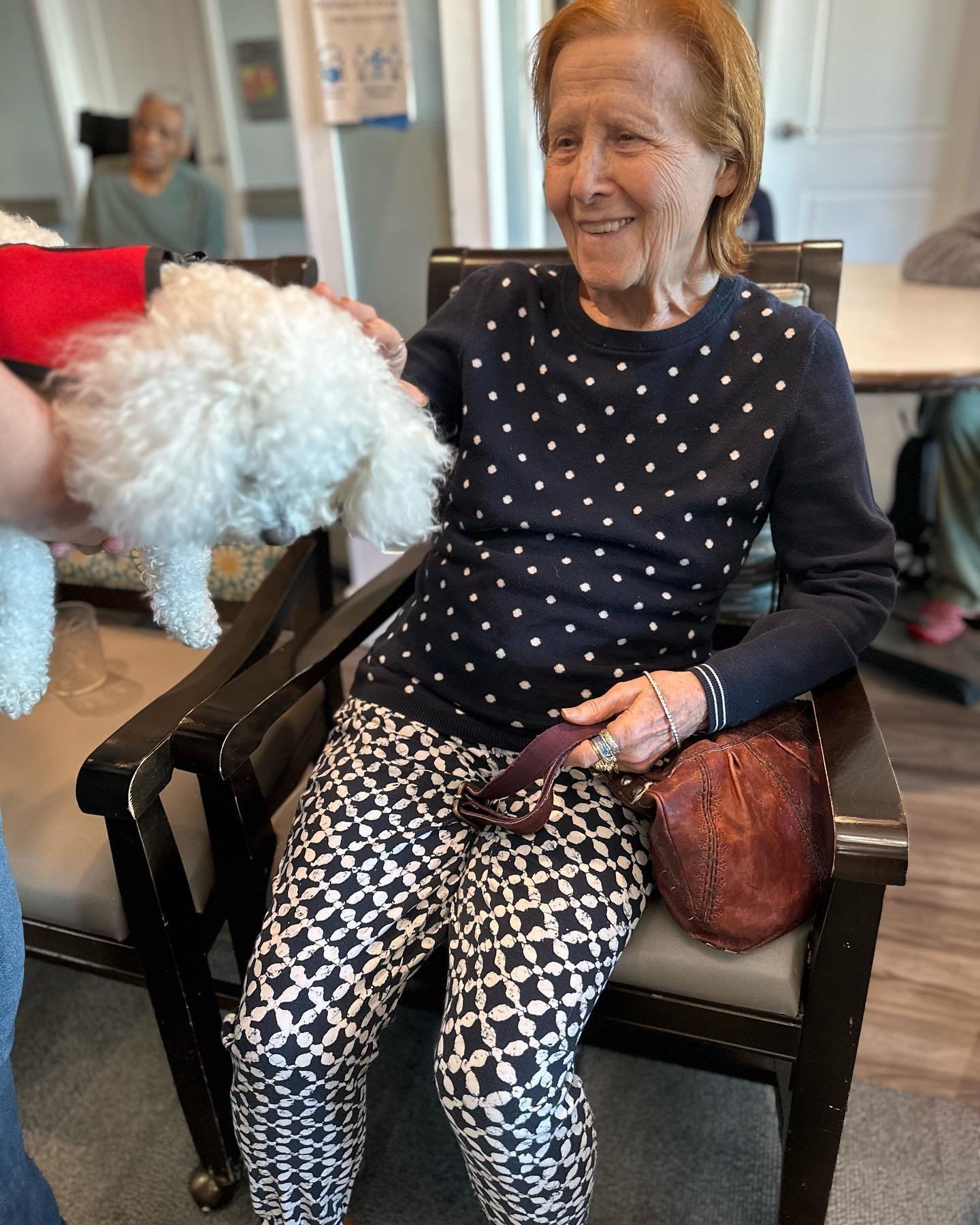
Memory care is specialized residential support for people living with Alzheimer's disease or other forms of dementia. When comparing options, focus first on three essentials: trained staff available around the clock, a secure setting that helps prevent wandering, and a care plan that supports daily routines, health needs, and meaningful activities.
For many families, the right time to start looking is before a crisis. Warning signs can include wandering, missed medications, falls, growing confusion, poor nutrition, or caregiver exhaustion. A good community should feel safe and calm while still treating your parent as a whole person - not just a diagnosis.
This checklist will help you ask clear questions during tours, compare care and pricing, and identify a home-like setting close enough for regular family visits.
Understanding Memory Care and How It Differs from General Senior Living
Navigating senior living can feel overwhelming. Many families begin their journey assuming assisted living or independent retirement living covers every stage of aging. However, when progressive cognitive decline enters the picture, traditional assisted living often lacks the structural safety and specialized training needed to support someone navigating memory loss.
Memory care provides dedicated, residential environments specifically engineered to minimize anxiety, reduce confusion, and protect individuals diagnosed with Alzheimer’s disease or other dementias. While assisted living prioritizes personal independence while offering help with basic activities of daily living (ADLs)—such as bathing, dressing, and medication reminders—memory care takes these services several steps further.
Staff members in dedicated cognitive environments receive extensive training in redirecting difficult behaviors, de-escalating anxiety, and recognizing non-verbal communication. Moreover, physical architecture differs substantially. While standard senior living settings feature open layouts, memory environments integrate secured entries, enclosed sensory gardens, and clear visual cues to prevent disorientation and wandering.
For an authoritative medical perspective on these differences, you can review this clinical overview of memory care published by Harvard Health.
| Care Dimension | Standard Assisted Living | Specialized Memory Care |
|---|---|---|
| Staffing & Supervision | 24-hour response staff; variable caregiver ratios | 24-hour awake staff with specialized dementia certification; lower staff-to-resident ratios |
| Environmental Design | Open access floor plans, elevators, unlocked exterior doors | Secured perimeters, keypad entry, circular walking paths, visual contrast cues |
| Daily Programming | General social events, outings, group fitness, movie nights | Structured sensory therapies, cognitive engagement, reminiscence exercises |
| Caregiver Training | Basic first aid, general caregiving, mobility assistance | Behavior management, de-escalation, communication strategies for cognitive impairment |
| Safety Protocols | Standard emergency pull cords, call pendants | Wander management systems, monitored entryways, enclosed outdoor courtyards |
Specialized Support for Cognitive and Movement Disorders
Dementia is not a single disease; it is an umbrella term covering diverse neurological conditions. A high-quality community adapts its care strategies based on the specific disorder affecting your loved one.
- Alzheimer’s Disease: The most common form of dementia, marked by progressive memory loss, spatial disorientation, and communicative difficulties.
- Vascular Dementia: Often following a stroke or cardiovascular event, leading to impaired judgment, executive function challenges, and abrupt shifts in motor function.
- Lewy Body Dementia: Characterized by visual hallucinations, sleep disruptions, fluctuating alertness, and motor symptoms similar to Parkinson's disease.
- Parkinson’s Disease Dementia: Combines progressive movement limitations (tremors, rigidity) with cognitive processing delays.
- Frontotemporal Dementia (FTD): Primarily impacts personality, language, and social behavior rather than short-term memory in its early stages.
- Creutzfeldt-Jakob Disease & Acquired Brain Injuries: Rapidly progressive neurological conditions requiring intensive, skilled physical and cognitive support.
- Chemotherapy-Induced Cognitive Impairment: Often referred to as "chemo brain," requiring temporary or progressive cognitive rehabilitation.
Implementing targeted early stage dementia care strategies during initial diagnosis stages helps individuals maintain functional autonomy and dignity for as long as possible before full residential transition becomes necessary.
Tailored Enrichment and Therapeutic Programs
A fulfilling life does not stop with a dementia diagnosis. Progressive memory environments focus on ability rather than loss, utilizing intentional programming to spark joy, evoke memories, and reduce anxiety.
- Reminiscence Therapy: Using historical artifacts, vintage music, and personal photo albums to help residents connect with their long-term memories. Childhood and young adult memories often remain intact even when short-term recall fades.
- Sensory Stimulation: Utilizing textured items, aromatherapy, tactile art projects, and indoor water features to calm individuals who experience overstimulation or emotional distress.
- Music and Expressive Arts Therapy: Melodies can bypass damaged neural pathways, allowing residents who struggle with speech to sing along with familiar tunes, improving mood and speech fluency.
- Life Skills and Purposeful Activities: Everyday tasks—such as folding towels, arranging flowers, tending to raised garden beds, or setting tables—provide residents with a deep sense of accomplishment and routine.
Key Signs It Is Time to Seek Specialized Dementia Support
Deciding to transition a parent or spouse from home to a dedicated community is one of the hardest emotional decisions a family can face. In our experience spanning more than 50 years of family-owned senior care, families frequently tell us they wish they had explored their options sooner.
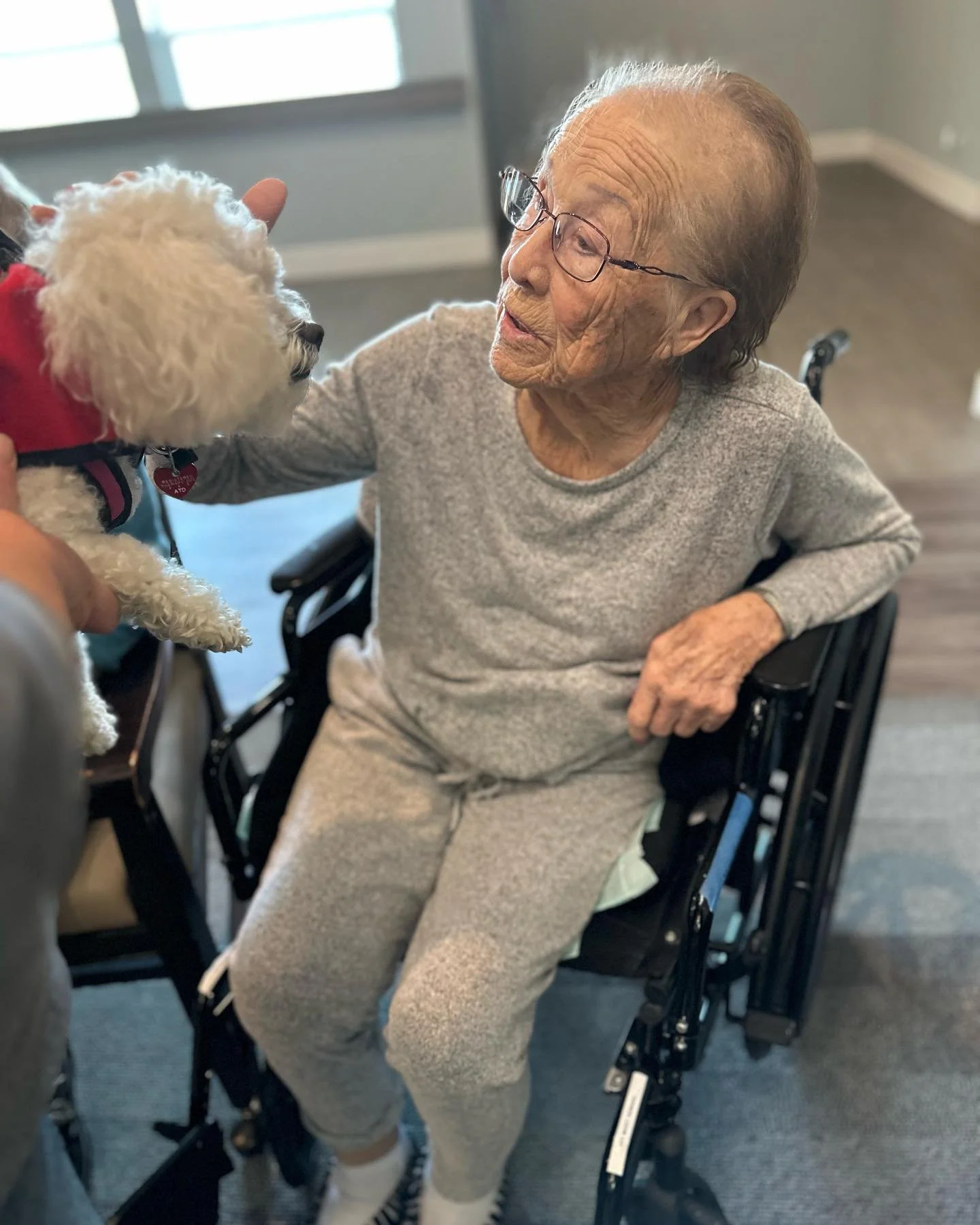
Watch for these clear physical, cognitive, and environmental warning signs:
- Wandering and Getting Lost: Walking out of the house into unfamiliar surroundings, or becoming disoriented in familiar neighborhoods.
- Medication Non-Adherence: Forgetting to take life-sustaining prescriptions, double-dosing, or hoarding pills.
- Unexplained Weight Loss: Forgetting to cook, difficulty chewing, or struggling to recognize food items, leading to severe nutritional decline.
- Home Safety Incidents: Leaving stoves on, forgetting to turn off running water, or falling victim to financial scams.
- Sundowning Behaviors: Intense restlessness, pacing, aggression, or hallucinations that worsen in the late afternoon and evening hours.
Behavioral Changes and Escalating Symptoms
As cognitive conditions advance into moderate and late stages, neurological damage can manifest as emotional distress. When changes in brain chemistry occur, families may notice escalating frustration, paranoid delusions, catastrophic reactions to minor routine changes, or uncharacteristic outbursts.
Understanding what stage is aggression in dementia can help family members recognize that reactive behaviors are not intentional disobedience or hostility; they are distress signals from an individual struggling to communicate an unmet physical or emotional need. Professional memory teams are trained to defuse these situations with warmth, validation, and redirection rather than confrontation.
Identifying Family Caregiver Fatigue and Burnout
Caregivers often sacrifice their own physical and mental wellbeing to keep a loved one at home. When family caregivers experience insomnia, severe depression, immune dysfunction, or chronic anxiety, continuing home care without professional intervention becomes dangerous for both parties.
Seeking expert assisted living caregiver guidance allows families to step back from the exhausting role of full-time nurse and return to being loving sons, daughters, or spouses. Tapping into dementia support services provides essential respite, community education, and guidance throughout every stage of the journey.
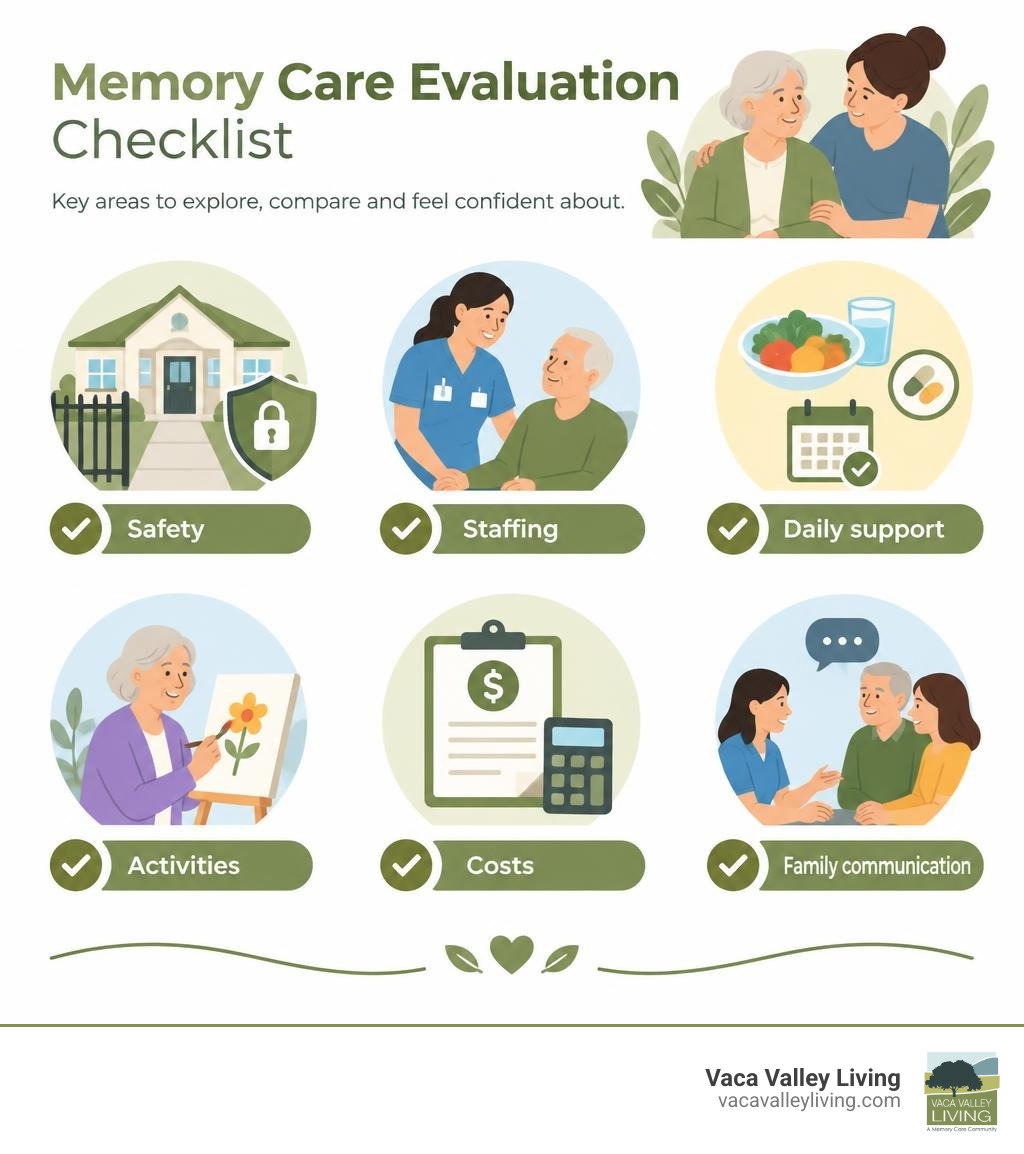
The Comprehensive Evaluation Checklist for Families
When you tour potential communities, look beyond the fresh coats of paint and chandeliers. Take a notebook, ask direct questions, and pay attention to how caregivers interact with current residents.
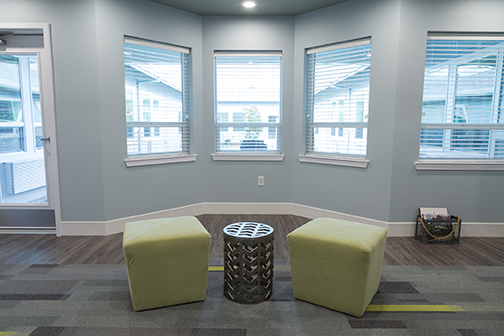
Use this checklist during your in-person evaluations:
- [ ] Licensing & Accreditation: Does the community hold valid state licenses with clear inspection records?
- [ ] Staffing Presence: Are caregivers awake and present on the floor 24 hours a day, 7 days a week?
- [ ] Dementia Training: Does the staff undergo ongoing, specialized dementia training beyond generic state requirements?
- [ ] Staff-to-Resident Ratio: What are the daytime and nighttime caregiver-to-resident ratios?
- [ ] Environment & Security: Are external doors secured with keypad locks, magnetic wander guards, and silent alarms?
- [ ] Wayfinding Design: Are hallways designed to avoid dead ends, and are doorways visually distinct to prevent resident confusion?
- [ ] Outdoor Access: Is there a secure, enclosed outdoor courtyard where residents can safely enjoy fresh air and sunshine?
- [ ] Dining Accommodations: Does the dining room offer chef-prepared meals, textured diet modifications (pureed/soft), and finger-food options for those who struggle with utensils?
- [ ] Medical Management: How are physician visits, physical therapy, podiatry, and diabetic care managed on-site?
- [ ] Cleanliness & Atmosphere: Does the building smell clean and fresh without masking perfumes? Is there plenty of natural light?
- [ ] Enrichment Calendar: Are activities occurring throughout the day, including weekends, or are residents sitting passively in front of televisions?
- [ ] Family Communication: How often will staff update you on your loved one’s physical health, behavioral patterns, and medication changes?
Essential Safety Features in a Secure Memory Care Unit
A secure architectural footprint ensures residents enjoy freedom of movement without the danger of elopement. Hallways should feature circular layouts so that pacing residents do not meet frustrating dead-end barriers, which can trigger anxiety.
To prevent elopement, communities rely on advanced wander guard bracelet systems, alarmed emergency exits, and discrete keypad entries. Learn more about the architectural planning behind a modern secure memory care unit to see how physical space directly influences resident wellbeing.
Individualized Care Plans and Staff Qualifications
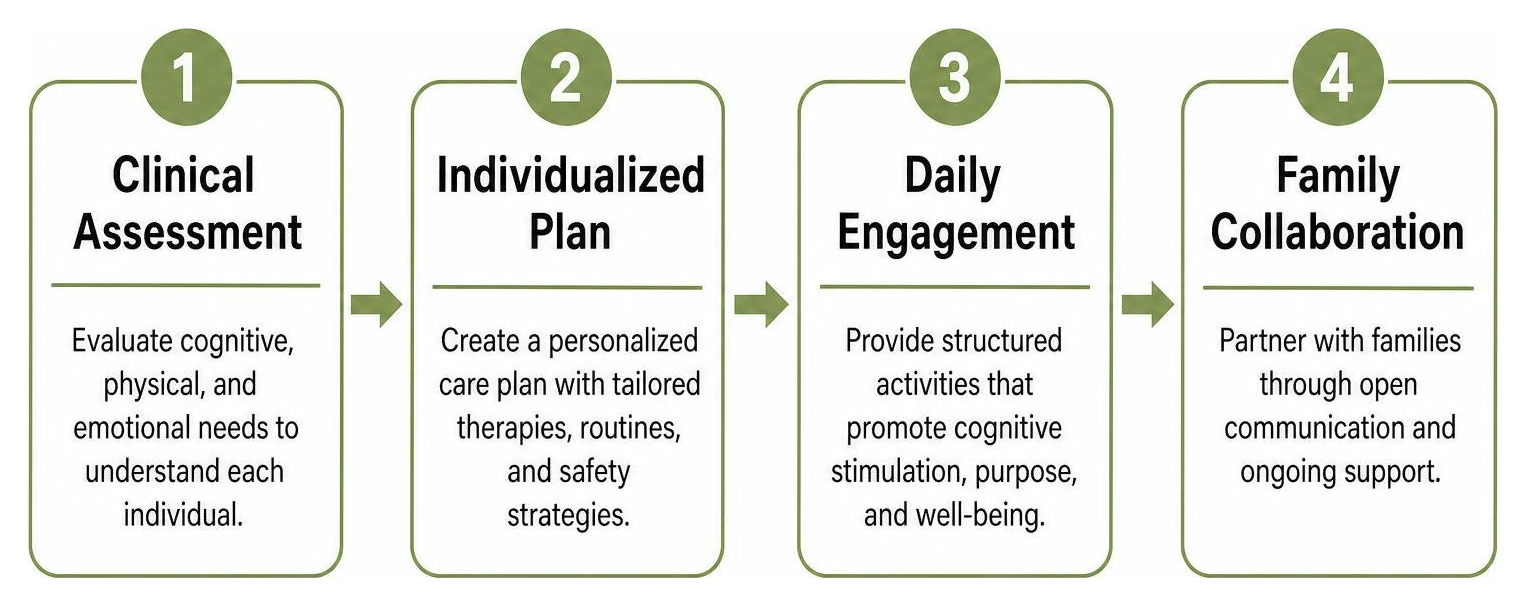
No two people experience dementia the same way. What calms one resident might agitate another. Premier communities construct individualized care profiles detailing life histories, former careers, hobbies, sleep habits, and dietary preferences.
Ensure the community maintains 24-hour awake staff trained in behavioral management and medical monitoring. Establishing comprehensive personalized care plans for seniors helps ensure your loved one receives consistent, respectful assistance tailored to their functional abilities. When evaluating prospective alzheimers care facilities, verify that the management team regularly reviews and updates these care plans as cognitive conditions change.
Costs, Pricing Factors, and Financial Planning Options
Memory care involves a higher staff-to-resident ratio, continuous physical monitoring, and specialized enrichment, making it more expensive than traditional independent or assisted living.
Pricing structures generally consist of:
- Base Rental Fee: Covers the private or semi-private suite, utilities, basic housekeeping, maintenance, and facility amenities (such as beauty salons and community gardens).
- Care Level Fees: Tiered rates based on the resident's specific needs for ADL assistance, incontinence care, medication administration, diabetic management, or advanced behavioral support.
- All-Inclusive Models: A single flat rate combining rent and all care needs, offering financial predictability for families.
Average Costs and Payment Options for Memory Care
Understanding national and regional price baselines helps families budget realistically for long-term care:
- The national average cost of memory care is approximately $6,999 per month.
- In higher-cost regions, such as Montgomery County, PA, average costs reach $7,396 per month, having grown steadily from previous years ($6,917 to $7,110 and upward), reflecting a 2.8% year-over-year climb. By comparison, standard assisted living in that region averages $5,765 per month.
- In skilled nursing facilities, national annual costs for intensive memory support average $104,025 for a semi-private room and $116,800 for a private room.
How Families Pay for Care:
- Private Funds: Personal savings, retirement accounts, pension distributions, and proceeds from the sale of a family home.
- Long-Term Care Insurance: Policies specifically written to cover non-medical personal assistance and dementia housing fees.
- Veterans Aid and Attendance: A monthly pension benefit provided by the VA to qualified wartime veterans and surviving spouses to help cover assisted living and memory costs.
- Medicaid & Home/Community-Based Waivers: For seniors who meet specific income and asset thresholds, state Medicaid programs may cover portions of personal care services (though room and board fees often remain private-pay).
- Medicare Limitations: Important note: Traditional Medicare does not cover the room, board, or custodial care costs of residential dementia facilities. Medicare only covers acute medical needs, physician visits, hospice services, and short-term skilled therapies.
Community Resources and Caregiver Networks
Navigating dementia is not a journey anyone should take alone. Community support groups, respite care options, and educational webinars give families the tools they need to process anticipatory grief, learn communication techniques, and find emotional relief.
We strongly encourage families to lean on local alzheimers family support networks and consult our dementia support groups guide 2026 to find virtual and in-person peer meetings in your area.
Frequently Asked Questions
What is the primary difference between dementia residential facilities and general senior living?
The primary difference lies in the level of security, caregiver training, and specialized daily programming. Dementia residential communities feature secure perimeters (keypad-locked doors, wander guard systems, and enclosed courtyards) to prevent wandering, maintain lower caregiver-to-resident ratios, and employ staff trained specifically in non-verbal communication, de-escalation, and cognitive therapies.
Does Medicare cover residential long-term cognitive care?
No. Medicare covers medically necessary skilled nursing care, physical/occupational therapy, home health following a hospital stay, and hospice care. However, it does not pay for room, board, or long-term custodial care (such as help with bathing, dressing, and 24-hour supervision) in residential senior living communities.
How can families prepare a loved one for moving into a specialized facility?
Preparing for a smooth transition involves three key steps:
- Decorate with Familiarity: Furnish the new room with familiar items before your loved one arrives—including their favorite bedspread, family photographs at eye level, a comfortable armchair, and cherished keepsakes.
- Keep Explanations Simple and Calm: Avoid lengthy, overwhelming debates about moving. Present the transition positively as a comfortable new residence where their meals and housekeeping will be taken care of.
- Partner with Care Staff: Work closely with the care team to learn their personal routine, favorite music, and comforting foods so staff can engage and reassure your loved one during their initial transition days.
Conclusion
Choosing a memory community is an act of deep love and protection. While the transition brings natural emotional challenges, finding a warm, secure environment provides your loved one with the specialized structure, social connection, and safety they deserve—while giving your family priceless peace of mind.
At Vaca Valley Living in Vacaville, California, our family-owned community brings over 50 years of dedicated senior care experience to every resident we serve. We create a home-like, highly individualized atmosphere with 24-hour awake staffing, personalized care routines, chef-prepared dining, an on-site salon, and secure gardens designed for joyful, independent living.
When you are ready to take the next step in finding the right dementia care community, reach out to our compassionate team to schedule a personal tour and learn how we can support your family.