
Build a Dementia Caregivers Toolbox Before Care Needs Escalate

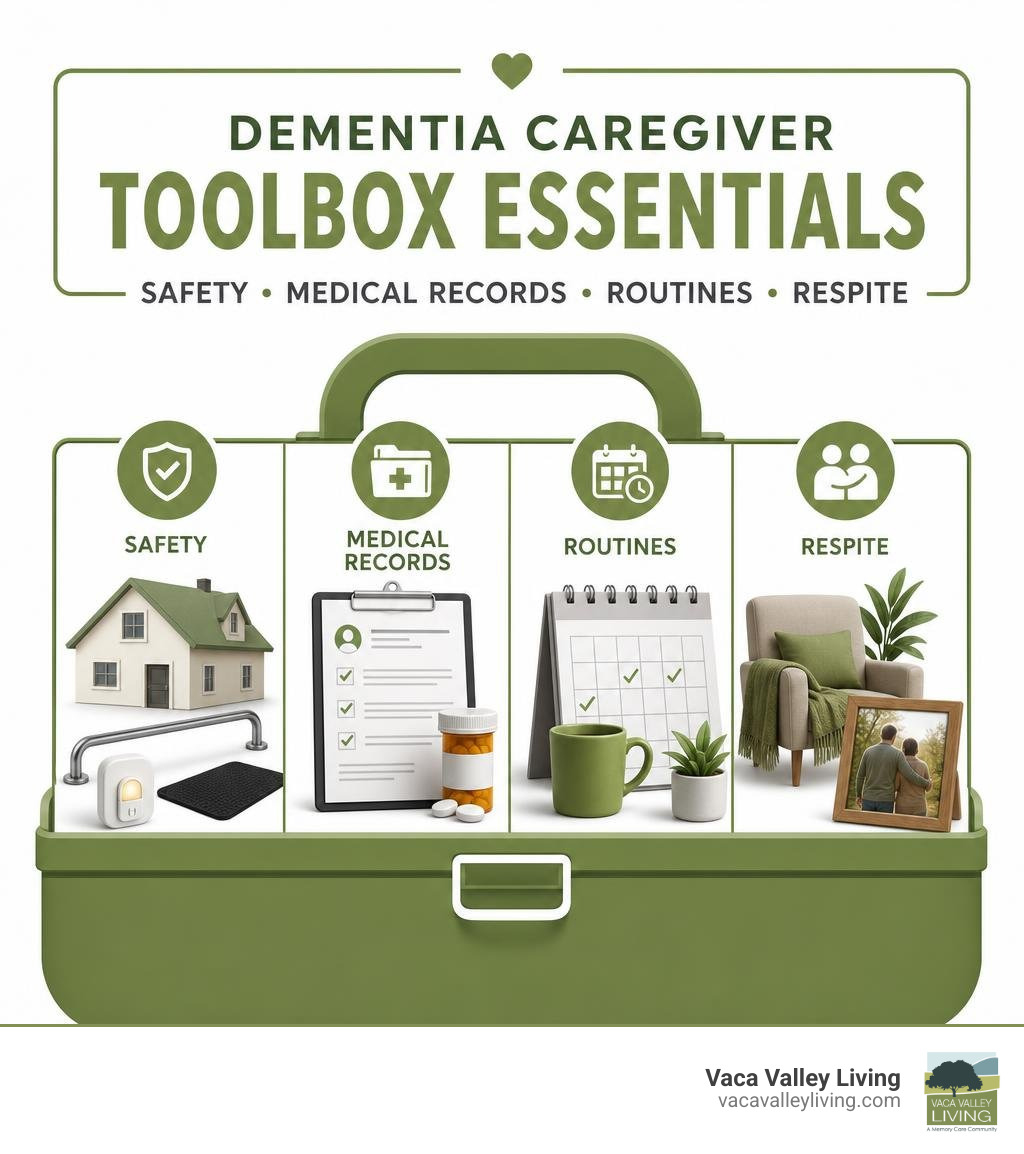
A practical dementia caregivers toolbox should include four things: a simple daily routine, home-safety supplies, organized medical information, and reliable backup support. Start now by keeping an updated medication list and emergency contacts, reducing fall and wandering risks at home, tracking changes in behavior, and scheduling regular respite before exhaustion builds.
More than 11 million Americans provide unpaid care for someone with dementia, contributing an estimated 18 billion hours of care each year. Yet many family caregivers begin without formal training. That can leave an adult child trying to manage appointments, safety concerns, sleep changes, and difficult behaviors while also being a son or daughter first.
This guide breaks the work into clear, manageable tools. You do not need to solve every future challenge today. You do need a plan for the next one.
Understanding Dementia: Diagnoses, Types, and Progression

To build an effective caregiving strategy, we have to understand what is happening inside the brain. Dementia is not a normal part of aging; it is an umbrella term describing an acquired decline in cognitive function severe enough to disrupt daily life.
When caring for a loved one, it helps to understand the concept of "broken perception." Challenging behaviors—such as resistance to bathing, repetitive questioning, or sudden mistrust—are rarely intentional acts of defiance. Instead, they are direct neurological symptoms of damage within the brain's processing pathways.
Getting a formal, early diagnosis is critical. An early evaluation allows families to explore symptom-control medications like Donepezil (Aricept) and Memantine (Namenda), which can help manage cognitive symptoms and support functional independence for a period. It also provides the precious gift of time: time to understand the disease, discuss personal preferences, complete legal paperwork, and build a sustainable support network before a crisis occurs.
Major Types: Alzheimer's, Vascular, Lewy Body, and FTD
Dementia presents differently depending on which areas of the brain are damaged. Understanding your loved one's specific diagnosis allows you to anticipate needs rather than constantly reacting to surprises:
- Alzheimer’s Disease: Accounting for 60% to 80% of all diagnosed dementias, Alzheimer's primarily begins in the hippocampus, impairing short-term memory first while older memories remain intact. It is a progressive condition that generally lasts 7 to 12 years post-diagnosis, though some individuals live 20 years or more.
- Vascular Dementia: Often occurring after a stroke or series of mini-strokes (TIAs), this type causes stepwise decline, notably affecting executive function, planning, and processing speed. Managing cardiovascular risk factors and watching for untreated depression are vital, as chronic depression can actively accelerate cognitive decline.
- Lewy Body Dementia (LBD): Marked by abnormal protein deposits (alpha-synuclein), LBD features fluctuating alertness, recurrent visual hallucinations, REM sleep behavior disorder, and motor symptoms similar to Parkinson’s disease.
- Frontotemporal Dementia (FTD): FTD tends to present earlier in life—typically between ages 40 and 60. Unlike Alzheimer's, memory often stays intact early on, while severe shifts in personality, social etiquette, impulse control, and empathy take center stage.
- Primary Progressive Aphasia (PPA): A neurodegenerative syndrome associated with frontotemporal lobar degeneration or Alzheimer's pathology that primarily targets language pathways, leading to progressive difficulty speaking, reading, writing, and comprehending words.
- Mixed Dementia: Many older adults experience brain changes linked to more than one condition simultaneously, most commonly Alzheimer's combined with vascular damage.
Federal research and practical care guidelines provided in the Caregiving Toolkit: Information and Resources to Support Caregivers | National Institute on Aging offer helpful educational materials to help families decipher these distinct diagnostic pathways.
Universal Symptoms and Behavioral Manifestations
While each type follows its own trajectory, symptoms across dementias generally cluster into four broad categories:
| Symptom Category | Common Manifestations | Primary Caregiver Action |
|---|---|---|
| Cognitive | Short-term memory loss, disorientation, difficulty problem-solving, poor executive planning. | Break tasks into single steps; avoid quizzing recall; use visual cues. |
| Behavioral & Mood | Apathy, depression, anxiety, agitation, aggression, and sundowning (late-day confusion). | Identify environmental triggers; simplify sensory input; maintain calm reassurance. |
| Functional | Struggling with dressing, managing medications, cooking, handling finances, bathing, and toileting. | Establish predictable daily routines; offer adaptive clothing; supervise safety discreetly. |
| Physical | Changes in gait, decreased peripheral vision, loss of depth perception, swallowing difficulties. | Clear walkways; install high-contrast grab bars; adjust food textures as needed. |
When a loved one shows a sudden, dramatic spike in confusion, agitation, or lethargy over hours or days, do not assume it is standard dementia progression. Acute delirium is often triggered by physical issues such as urinary tract infections (UTIs), constipation, dehydration, or hidden physical pain. Utilizing non-verbal pain screening tools (such as the PAINAD scale) helps caregivers identify physical distress when their loved one can no longer put words to their discomfort.
Core Strategies for Daily Care, Communication, and Safety
Living with cognitive decline narrows a person's visual and sensory world. As dementia advances, peripheral vision contracts into what clinicians call a "visual dashboard" or tunnel vision. Approaching someone from the side or behind can easily startle them into a defensive reaction.
Always approach your loved one from the front at eye level. Make gentle eye contact, introduce yourself by name, and offer a warm touch before speaking. Preserving personal dignity is equally critical: speak using adult, respectful terms (such as referring to absorbent undergarments as "briefs" or "protective wear" rather than "diapers").
Communication Techniques to Prevent Agitation
When verbal processing slows down, your non-verbal cues carry the conversation. Frustration often decreases when you simplify your approach:
- Speak clearly and keep sentences brief: Deliver one thought or request at a time. Give your loved one at least 20 to 30 seconds to process and respond before repeating yourself.
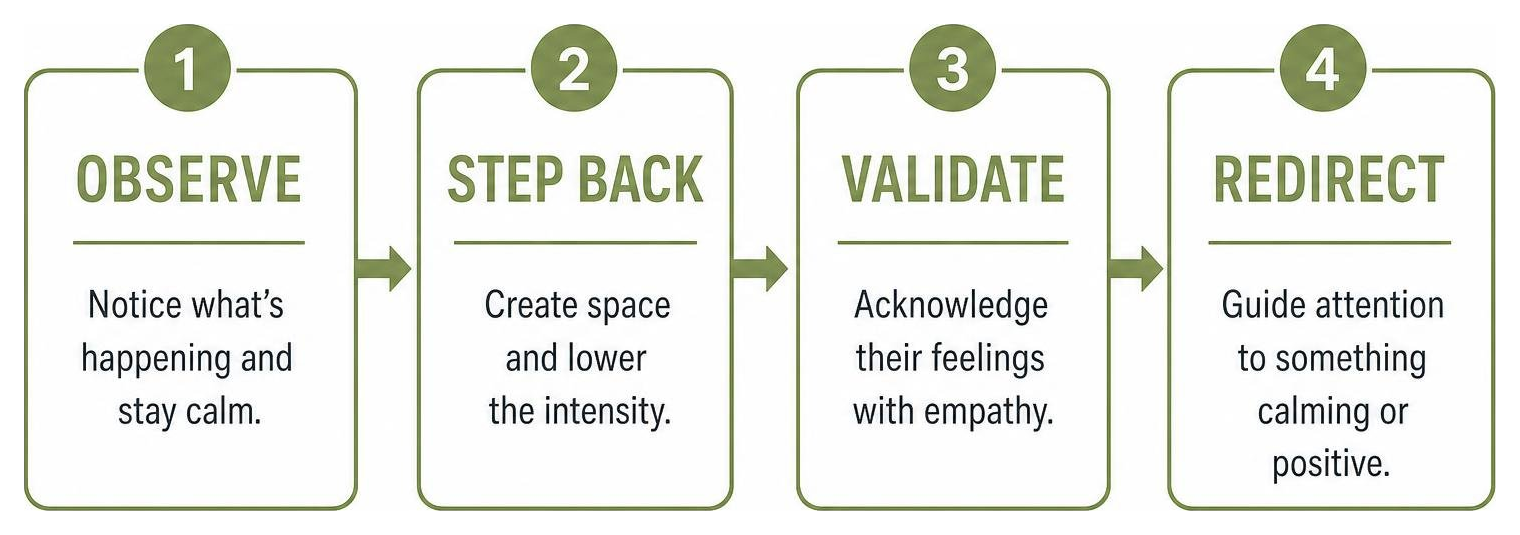
- Embrace validation over correction: If your loved one believes they need to pick up their children from school, arguing that their children are in their forties will only cause panic and defensive anger. Validate the emotion underneath ("You love your kids so much; tell me about them") instead of debating facts.
- Reframe memories without quizzing: Replace test questions like "Do you remember who came to visit yesterday?" with validating statements like "We had such a wonderful visit with Sarah yesterday."
- Join their reality: Meet them where they are in time. If they are looking for their childhood home, discuss what made that home special rather than insisting they sold it decades ago.
Care organizations such as the Living with Dementia Toolkit emphasize modular, person-centered communication methods that help families stay emotionally connected without constant friction.
Home Safety Modifications and Emergency Readiness
Creating a supportive home environment reduces daily anxiety and minimizes fall risks. Look at your living space through a lens of safety and sensory balance:
- Remove tripping hazards: Secure or remove throw rugs, clear clutter from primary walking paths, and ensure transition thresholds between rooms are smooth.
- Improve contrast and lighting: Install motion-sensor nightlights along the hallway to the bathroom. Use high-contrast tape on step edges and place brightly colored grab bars in showers and beside toilets.
- Secure high-risk zones: Install discreet safety locks on kitchen cabinets containing cleaning chemicals, medications, knives, and stove controls.
- Mitigate wandering: Disguise exit doors with murals or curtains, place deadbolts above or below eye level, and utilize door chimes or motion sensors to alert you when exterior doors open.
- Pack a hospital "Go-Bag": Keep a dedicated bag packed with an emergency contact list, insurance cards, complete medication lists, a change of clothes, phone chargers, snacks, and familiar comfort items in case of an unexpected emergency room visit.
Practical home safety checklists and crisis preparation strategies are available through the Caregiver Toolbox | Caregiver Action Network, providing downloadable forms for household security.
Essential Categories for Your Dementia Caregivers Toolbox

A comprehensive toolbox is more than just a list of tips—it is an organized system that holds your caregiving routines together. Keeping a central Caregiver Binder at home ensures that anyone stepping in to help has the critical details they need.
Your binder should contain:
- A Master Medical Profile: Primary diagnoses, doctor contacts, pharmacy details, and advance directives.
- An Up-to-Date Medication Log: Prescriptions, exact dosages, timing, and known drug allergies.
- Daily Routine and Preference Sheets: Wake-up routines, favorite comfort foods, bathing preferences, calming music selections, and known agitation triggers.
- Behavior and Symptom Tracking Sheets: Simple monthly logs noting shifts in sleep, mood, hydration, or bowel habits to bring to clinical appointments.
Clinical and Telehealth Models in the Dementia Caregivers Toolbox
Caregiving is demanding work, and family members deserve structured guidance just like any professional entering a complex field. Research shows that structured educational programs dramatically improve outcomes for families.
In clinical trials evaluating synchronous telehealth training interventions—specifically structured 10-week psychoeducational programs titled The Dementia Caregiver Toolbox—caregiver role preparedness improved with a medium effect size (d = 0.74), while caregiving self-efficacy showed a large effect size improvement (d = 0.94). Furthermore, 86% of caregivers rated their overall satisfaction at 80 or higher on a 100-point scale, and 77% stated they were 100% likely to recommend the structured intervention to a fellow caregiver.
Programs like the Savvy Caregiver Program, Powerful Tools for Caregivers, and the CMS Guiding an Improved Dementia Experience (GUIDE) Model utilize these evidence-informed approaches. They help family caregivers master behavioral de-escalation, track symptoms accurately using tools like the Zarit Burden Interview, and access coordinated respite support under Medicare frameworks.
Digital Applications and Assistive Tech in the Dementia Caregivers Toolbox
Technology can lighten your daily load when chosen thoughtfully:
- Therapeutic Music Applications: Personalized playlists (using apps like SingFit or standard streaming platforms) can lift mood, reduce evening sundowning, and prompt positive memories.
- Digital Fall and Balance Screenings: Mobile apps that screen for gait changes and provide simple balance exercises help spot fall risks early.
- Sensory Lighting and Environment Design Tools: Smart bulbs that mimic natural daylight cycles support circadian rhythm regulation, helping improve nighttime sleep.
- Medication Management and Symptom Trackers: Digital trackers help track subtle behavioral patterns, making clinical updates to physicians much simpler.
Caregiver Well-Being, Support Networks, and Respite
Caregiver burnout is not a sign of weakness; it is the natural consequence of carrying an overwhelming load without adequate relief. In the United States, six in ten dementia caregivers balance full-time or part-time employment (averaging 35 hours per week) alongside their caregiving responsibilities. Nearly one in three caregivers is aged 65 or older themselves.
When stress remains unmanaged, it leads to compassion fatigue, chronic exhaustion, and clinical depression. Recognizing your own limits and sharing the load with an assisted living caregiver is a healthy, proactive step that protects both your well-being and your loved one's safety.
Educational Literature and Support Groups
No one should walk this road in isolation. Connecting with other caregivers validates the complex feelings that often arise, including anticipatory grief and occasional resentment:
- Community and Virtual Support Groups: Joining peer-led groups through local Area Agencies on Aging or the Alzheimer’s and Related Dementias Education and Referral (ADEAR) Center provides practical advice from peers who truly understand the day-to-day journey.
- Foundational Books: Classic guides like The 36-Hour Day by Nancy L. Mace and Peter V. Rabins offer indispensable reassurance for navigating daily care dilemmas.
- Structured Family Meetings: Host regular family check-ins to distribute practical tasks—such as managing finances, ordering groceries, or providing weekend coverage—so the primary caregiver does not carry the burden alone.
Navigating Legal, Financial, and Respite Needs
Planning ahead legally and financially removes significant stress down the road:
- Establish Essential Documents: Complete durable Power of Attorney (POA) for both finances and healthcare, advance healthcare directives, living wills, and HIPAA release forms while your loved one retains legal decision-making capacity.
- Explore Long-Term Care Benefits: Review long-term care insurance policies, explore Medicaid eligibility rules early, and investigate VA Aid and Attendance benefits for eligible veterans and surviving spouses.
- Schedule Recurring Respite Care: Do not wait for complete physical or emotional exhaustion before arranging a break. Schedule routine adult day care, in-home care companions, or short-term residential respite stays to recharge your energy.
Frequently Asked Questions About Dementia Caregiving
Why is early diagnosis critical for long-term dementia care planning?
An early diagnosis gives families time to access symptom-managing medications, make lifestyle adjustments, and complete essential legal and financial documents while the individual can actively participate in decision-making. It also gives family caregivers time to learn about the condition and assemble community support resources before urgent care crises emerge.
How do telehealth toolkits improve caregiver self-efficacy and preparedness?
Structured virtual training programs provide evidence-based guidance directly to caregivers at home, removing the logistical challenges of travel and respite care. These programs build confidence by teaching communication strategies, behavioral de-escalation skills, and proactive safety planning, which directly lowers caregiver stress and reduces feelings of isolation.
What immediate steps should a caregiver take when behaviors suddenly worsen?
A sudden shift in confusion, agitation, or lethargy is rarely standard dementia progression; it usually points to an underlying medical issue such as a urinary tract infection (UTI), physical pain, constipation, or dehydration. Caregivers should check vital signs, look for subtle non-verbal pain indicators, review recent environmental changes, and reach out to their primary physician promptly for a physical evaluation.
Conclusion: Building Sustainable Support for the Journey Ahead
Caregiving is a marathon that calls for pacing, reliable tools, and steady support. Equipping yourself with practical communication methods, home safety adjustments, organized medical records, and reliable peer support protects your emotional health and ensures your loved one receives compassionate, dignified care.
When the physical and emotional demands of round-the-clock home care begin to exceed what your family can sustainably provide, dedicated residential care can offer a supportive path forward. At Vaca Valley Living, our family-owned community brings over 50 years of senior living experience to Vacaville, California. We provide 24-hour staffing, personalized memory care plans, and life-enriching amenities within a warm, home-like environment designed to give your entire family peace of mind. Reach out to our team today to explore how we can support your caregiving journey.