Understanding Residential Care Home Requirements for Dementia Patients
Residential care home requirements for dementia patients center on four core safeguards: 24-hour awake staffing with dementia-specific training, secured physical environments that prevent wandering, individualized care plans with safe medication management, and regulatory oversight through licensing, inspections, and clear governance. Families evaluating a memory care home should confirm that the facility documents these standards in a formal Statement of Purpose and follows them in daily operations.
Finding the right environment for a loved one with memory loss can feel overwhelming. Beyond warm smiles and cozy furnishings, every licensed facility must operate under strict regulatory standards designed to protect vulnerable adults.
Understanding formal residential care home requirements helps families evaluate whether a setting is truly equipped to support progressive cognitive decline. Fundamental safety, staffing, and governance benchmarks across various regions—such as historical frameworks outlined in The Care Homes Regulations 2001—reinforce that quality senior living is built upon documented accountability, resident rights, and individualized care.
A compliant home clearly outlines its scope in a formal Statement of Purpose. This public document defines:
- The specific categories of care provided (such as specialized memory support)
- Staff qualifications, operational philosophies, and governance structures
- Day-to-day services, personal accommodation standards, and emergency procedures
Transparent licensing ensures that every resident is treated with dignity, privacy, and respect, preserving their individuality at every stage of their journey.
Staffing and Safety: Key Residential Care Home Requirements
A beautiful facility is only as good as the team caring for your loved one. Robust regulations mandate that operators maintain safe staffing levels matched directly to resident acuity rather than arbitrary headcounts.
Key staffing safeguards include:
- Comprehensive Background Screening: Rigorous criminal history checks, fitness-for-duty evaluations, and reference verifications before any caregiver works with residents.
- Specialized Dementia Training: Instruction in communication techniques, wandering prevention, behavioral de-escalation, and validation therapy.
- Continuous 24-Hour Awake Coverage: Ensuring qualified personnel are awake and responsive on-site throughout the night to manage nocturnal wakefulness, toileting needs, or sudden medical emergencies.
- Ongoing Competency Assessments: Regular staff supervision and annual refresher training covering infection control, first aid, and safe moving and handling.
Meeting Physical Environment and Residential Care Home Requirements
The physical layout of a memory care home directly influences safety, mood, and independence. Facilities must balance robust protection with a warm, residential feel.
Key physical plant standards include:
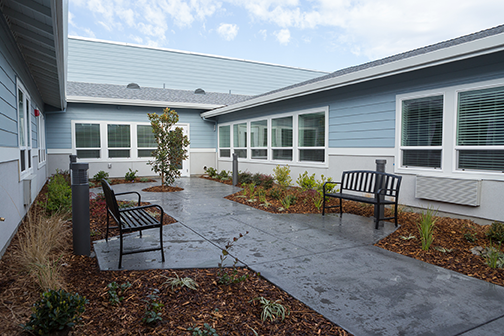
- Secured Perimeters: Discreetly secured exterior doors, delayed-egress systems, and enclosed sensory courtyards that allow safe outdoor movement without wandering risks.
- Wayfinding and Visual Cues: High-contrast signage, color-coded hallways, and clear line-of-sight paths to bathrooms and common areas to reduce cognitive confusion.
- Fire Safety and Emergency Systems: Integrated smoke detection, automatic sprinkler systems, clearly marked illuminated escape routes, and regular evacuation drills.
- Universal Accessibility: Step-free thresholds, wide doorways, grab bars, non-slip flooring, and accessible showers to accommodate mobility aids.
Assessing Needs and Developing Personalized Care Plans
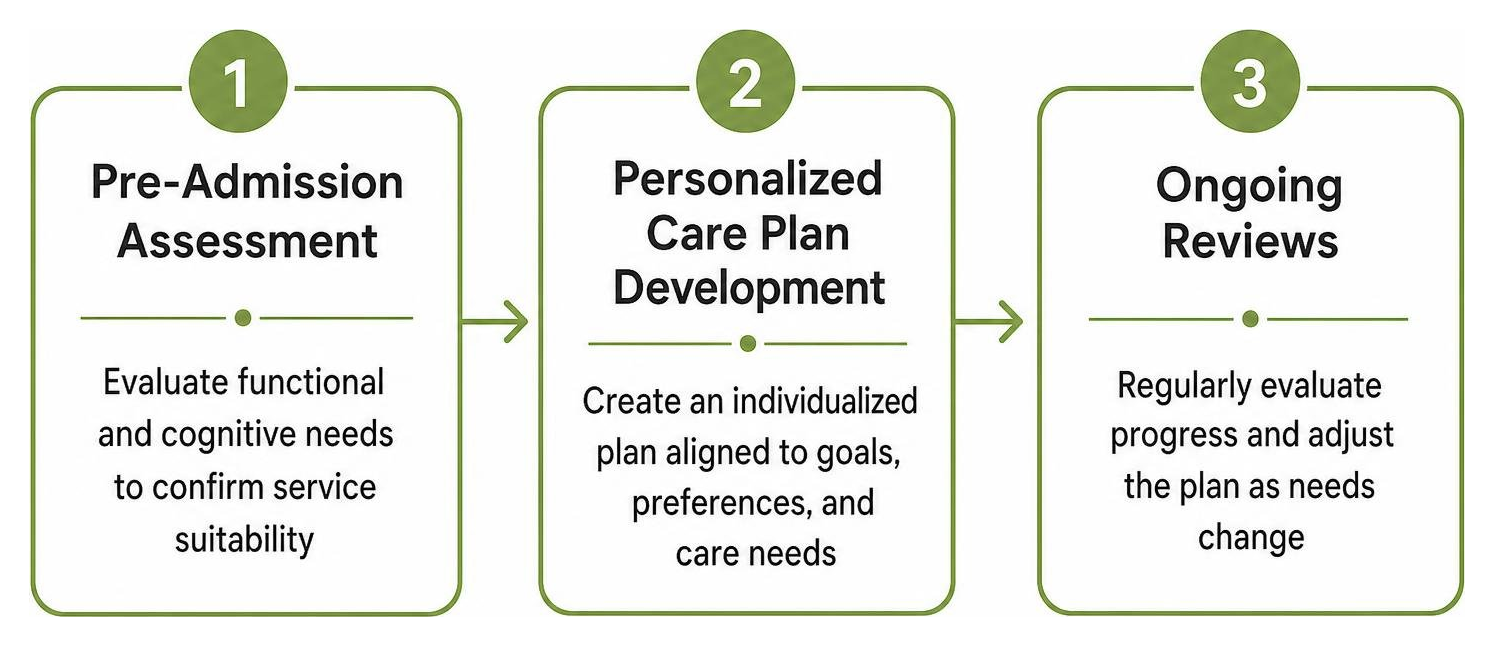
A high standard of care begins before move-in day. High-performing care settings avoid one-size-fits-all models, relying on structured intake protocols to ensure the placement is appropriate for the senior.
Pre-Admission Assessments and Service Suitability
Before admitting a new resident, the community conducts a detailed pre-admission screening covering:
- Functional Capabilities: Activities of Daily Living (ADLs) such as bathing, dressing, eating, grooming, and mobility.
- Cognitive and Behavioral Health: Memory loss stages, communication patterns, disorientation triggers, and sleep habits.
- Dietary Needs: Swallowing difficulties, nutritional preferences, and therapeutic diets.
- Social History and Preferences: Past careers, favorite hobbies, family dynamics, and daily routines.
By gathering these insights, care teams craft structured dementia care plans that match the individual's lifestyle and care needs. For broader physical support, families can explore personalized care plans for seniors to see how daily routines are tailored.
A thorough pre-admission assessment also helps the care team determine whether the community can safely meet the senior's current and anticipated needs. This includes reviewing mobility patterns, fall history, continence support, and any behavioral expressions that may require specialized interventions. When a resident's needs exceed the home's licensed scope, the team should communicate that clearly and help the family identify a more appropriate setting.
Routine Reviews and Medication Administration
Care plans are dynamic documents. Regulatory benchmarks mandate regular evaluations—typically every 6 to 12 months, or immediately following any significant change in health, a hospital discharge, or a fall.
Safe medication management is integral to personal plans:
- Secure Medication Storage: All pharmaceuticals are stored in locked, temperature-controlled cabinets or carts.
- Medication Administration Records (MAR): Every dose is documented immediately upon administration to prevent missed doses or duplications.
- Physician and Pharmacy Coordination: Care teams work directly with prescribing physicians and pharmacists to conduct routine medication reviews, monitoring side effects and eliminating unnecessary medications.
Ongoing health monitoring also includes tracking weight changes, sleep quality, hydration, and behavioral shifts. These observations inform care plan updates and help families understand how their loved one is responding to the current support structure.
Governance, Safeguarding, and Quality Assurance
Trustworthy residential care homes operate with strict administrative and clinical governance. Modern care frameworks, such as the principles emphasized in The Regulation and Inspection of Social Care (Wales) Act 2016, demonstrate the importance of designated leadership, organizational transparency, and continuous quality oversight in adult social care.
In dedicated settings offering specialized memory care, strong leadership ensures policies translate into compassionate, compliant daily support.
Safeguarding Protocols and Incident Prevention
Care homes must maintain clear safeguarding protocols to protect vulnerable older adults from abuse, neglect, or self-harm:
- Zero-Tolerance Abuse Policies: Clear procedures for identifying, documenting, and immediately reporting any suspected mistreatment to state licensing and adult protective agencies.
- Duty of Candour: A commitment to complete openness and honesty with families whenever an unexpected incident, fall, or medication discrepancy occurs.
- Incident Logging and Trend Analysis: Detailed recording of all minor and major events to identify environmental risks or changing health patterns.
Safeguarding also includes financial oversight and protection of resident funds. Responsible individuals within the organization must ensure that personal allowances, billing practices, and any financial transactions involving residents are transparent, documented, and subject to internal review.
Continuous Quality Monitoring and Resident Feedback
Leading communities utilize internal quality assurance cycles, including:
- Internal Audits: Routine checks of medication logs, care records, kitchen sanitation, and physical safety equipment.
- Family and Resident Engagement: Regular satisfaction surveys, care conferences, and open-door management policies that incorporate direct feedback into service upgrades.
- Regulatory Compliance: Maintaining transparent inspection reports available for public review.
Quality monitoring should also include staff supervision records, training completion logs, and emergency preparedness reviews. When families participate in care conferences and share observations, the community can adjust routines, activities, and environmental supports to better meet resident needs.
Benefits of Small Residential Care Homes
For many seniors with Alzheimer’s or other forms of dementia, large environments can sometimes feel overstimulating. A smaller dementia care community or boutique board-and-care home provides distinct advantages:
- High Staff-to-Resident Engagement: Caregivers develop deep familiarity with each resident's personality, subtle cues, and preferences.
- Calm, Home-Style Setting: Smaller dining rooms and living spaces reduce anxiety, agitation, and ambient noise.
- Tailored Daily Living: Greater flexibility around wake-up times, meal choices, and individualized activities.
In a smaller setting, staff can more readily notice subtle changes in appetite, mobility, mood, or cognition and respond before small concerns become larger problems. Families often find that communication is more direct because the same caregivers and leadership team are consistently available. This continuity supports stronger relationships among residents, staff, and family members, which can be especially reassuring when a loved one is living with progressive memory loss.
Frequently Asked Questions About Residential Dementia Care
What are the main regulatory requirements for memory care homes?
Memory care communities must maintain active state operational licenses, pass regular fire and health inspections, perform comprehensive employee background checks, provide ongoing dementia-specific caregiver training, and maintain secured building perimeters to prevent wandering.
How often are resident care plans updated in board and care homes?
Care plans must be reviewed at least annually, but best practice dictates updates whenever there is a notable change in condition, after an illness or injury, following a medication adjustment, or at the request of the family and physician.
How do residential care homes handle medication safely?
Medications are managed under strict protocols: locked central storage, licensed or certified staff administration, electronic or physical MAR logging, and regular prescription reviews overseen by attending physicians and pharmacists.
What should families look for when touring a memory care home?
Families should observe staffing levels and interactions, ask about dementia-specific training, review the Statement of Purpose and inspection history, check secured outdoor areas, and request a sample care plan to understand how daily routines are individualized.
Conclusion

Choosing the right care setting is one of the most meaningful decisions you will make for your loved one. By understanding licensing standards, safety protocols, and personalized care planning, you can navigate your search with clarity and confidence.
At Vaca Valley Living, we bring over 50 years of family-owned experience to senior care. We provide a boutique, home-like environment with 24-hour dedicated staffing, personalized routines, and compassionate memory support tailored to each stage of dementia. Our team works closely with families to create care plans that reflect each resident's history, preferences, and daily needs while maintaining the safety and regulatory standards that protect vulnerable adults.
Contact our team today to tour our community and explore trusted senior living solutions designed to bring your family complete peace of mind.