Residential Care Facilities for the Elderly: A Home-Like Care Option
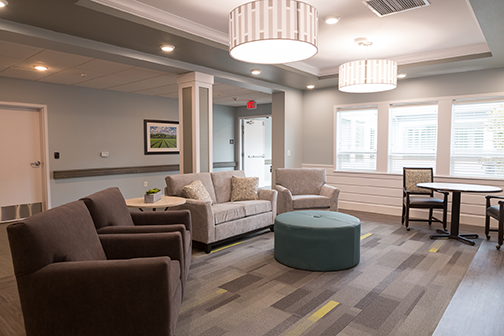
Residential care facilities for the elderly (RCFEs) offer a place to live with meals, help with daily tasks, and 24-hour supervision. In California, a small board and care home and a larger assisted living community can hold the same RCFE license. Neither is a nursing home, which provides ongoing skilled medical care.
If your parent has Alzheimer's, ask how staff prevent wandering, what dementia training they have, and whether they can meet your parent's needs as those needs change. This guide will help you compare care options, check safety and licensing, and know what to ask on a tour.
What Are Residential Care Facilities for the Elderly (RCFEs)?
Navigating senior housing can feel like learning an entirely new language. In California, the umbrella term for supportive senior living is a Residential Care Facility for the Elderly (RCFE). According to the California Health and Safety Code standards, an RCFE provides housing, meals, 24-hour supervision, and personal assistance for adults 60 years of age and older (or younger adults with compatible care requirements).
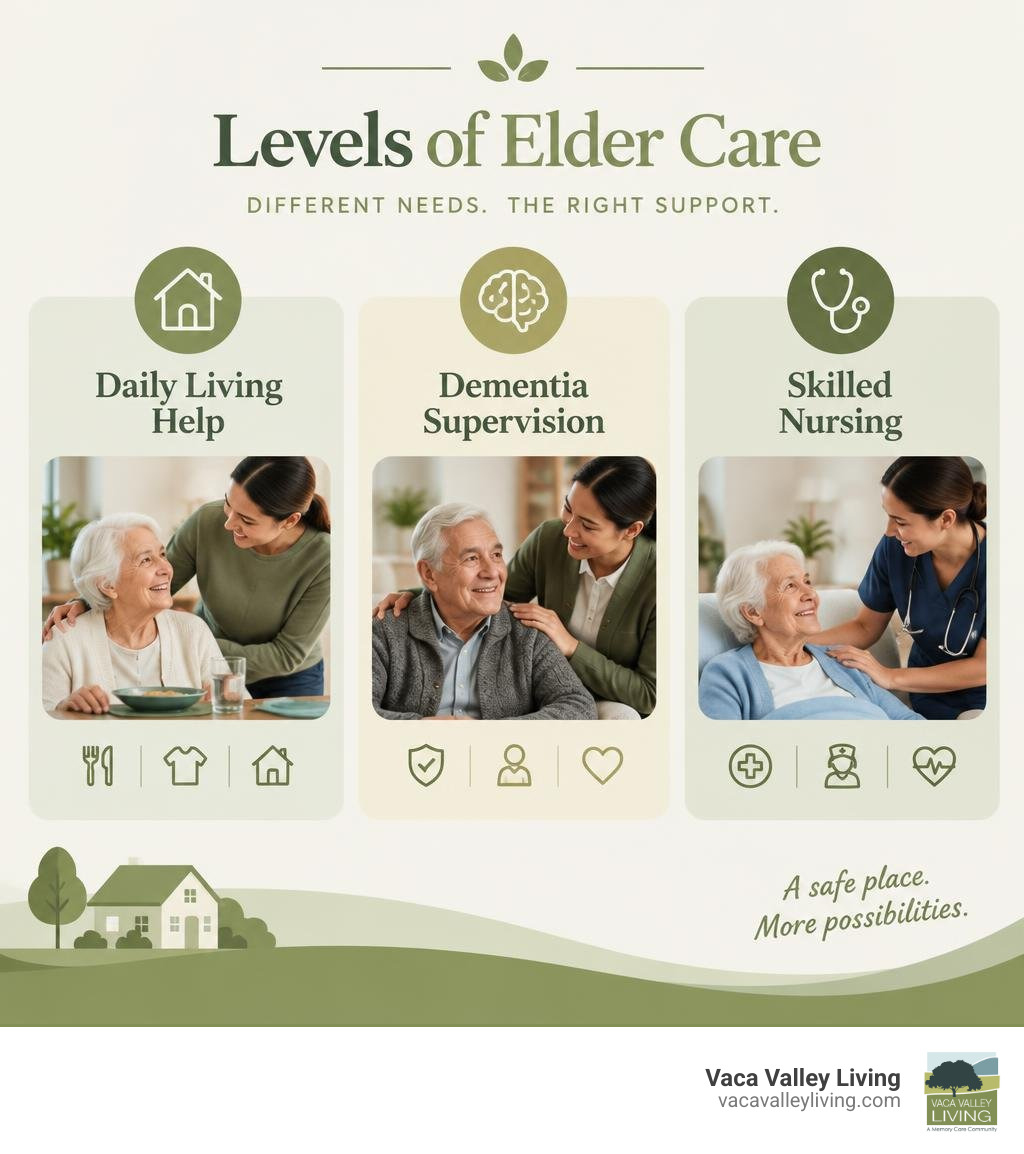
The core focus of an RCFE is non-medical custodial care. This includes assistance with everyday living, protective supervision, and medication distribution. Unlike skilled nursing facilities (nursing homes), RCFEs do not maintain continuous on-site medical staff like registered nurses or physicians. Instead, they provide a secure, comfortable living environment where seniors receive hands-on help while retaining their personal dignity and autonomy.
How Board and Care Homes Provide Residential Support
A "board and care home" is simply an RCFE that operates out of a traditional residential house in a neighborhood. These homes typically accommodate 6 to 15 residents (most commonly capped at 6 in standard residential zones). Because of the intimate setting, care is personal and responsive.
| Care Consideration | Board and Care Home (Small RCFE) | Assisted Living Community (Large RCFE) | Skilled Nursing Facility (Nursing Home) |
|---|---|---|---|
| Typical Resident Capacity | 4 to 15 residents | 25 to 100+ residents | 50 to 200+ residents |
| Care Focus | Custodial care & daily supervision | Custodial care & lifestyle amenities | Daily skilled medical & rehabilitative care |
| Physical Setting | Converted neighborhood home | Large commercial campus/apartments | Clinical, hospital-like setting |
| Staffing Structure | High caregiver-to-resident ratio | Variable ratios by care level | 24-hour licensed nurses & physicians |
| Pricing Model | Often all-inclusive flat rates | Base rent + tiered care fees | Daily/monthly clinical rates (often Medi-Cal/Medicare) |
State Licensing and Regulations for Residential Care Facilities for the Elderly
California maintains strict regulatory oversight to protect residents. Every RCFE—whether a 6-bed neighborhood home in Fairfield or a larger memory care community in Vacaville—is licensed and inspected by the California Department of Social Services (CDSS) Community Care Licensing Division.
As highlighted in the California Department of Developmental Services spotlight, licensed homes must adhere to strict operational guidelines:
- Inspections and Public Records: State evaluators conduct regular unannounced inspections and investigate complaints. Inspection reports and citations are public records accessible through the CDSS database.
- Liability Insurance: California mandates that every facility maintain at least $1,000,000 per occurrence and $3,000,000 in aggregate annual liability insurance.
- Staff Training Standards: Direct-care staff must complete at least 40 hours of initial training during their first year (including mandatory dementia care education) and at least 20 hours of ongoing continuing education annually.
- Administrator Certification: Facilities must be led by state-certified administrators who complete extensive training and regular re-certification.
Services, Care Levels, and Resident Demographics
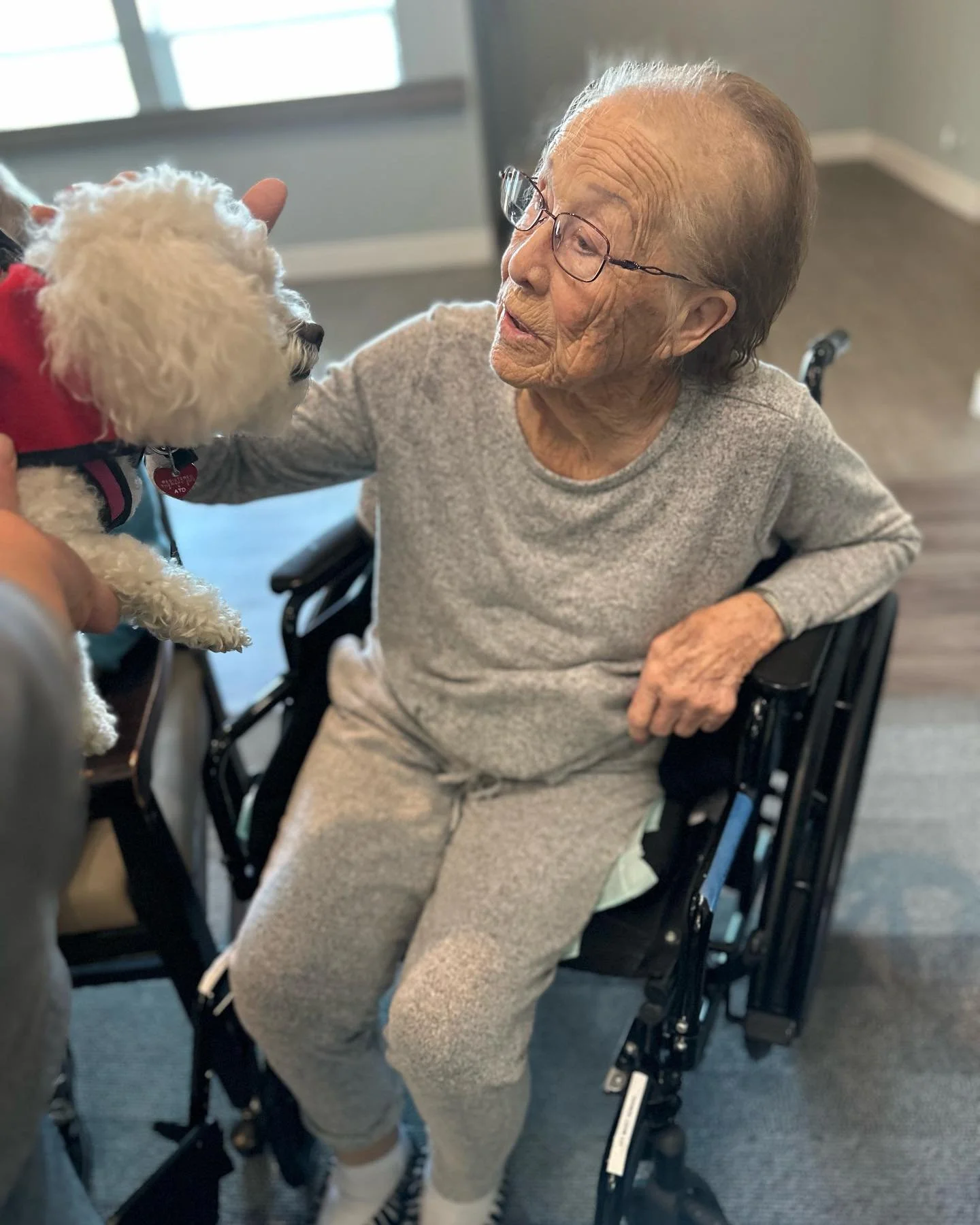
Understanding what happens day-to-day helps families determine if residential care matches their loved one's needs. RCFEs support both Personal Activities of Daily Living (ADLs)—such as bathing, dressing, grooming, eating, and transferring—and Instrumental Activities of Daily Living (IADLs), which include laundry, housekeeping, meal preparation, medication distribution, and scheduling medical appointments.
Assistance with ADLs and Chronic Condition Management
National data provides valuable context on who thrives in these environments. Based on CDC national data on residential care resident characteristics, over half of all residential care residents are 85 years of age or older, and 70% are female. The median length of stay is approximately 22 months (671 days).
Furthermore, chronic condition support is a daily reality:
- High Blood Pressure: 57% of residents
- Alzheimer’s or Other Dementias: 42% of residents
- Heart Disease: 34% of residents
- Depression: 28% of residents
- Multiple Conditions: Over 76% of residents live with two or more chronic conditions.
When it comes to personal care, 72% receive assistance with bathing, 52% with dressing, and 36% with toileting. Interestingly, an NCHS study on community size and resident health found that the percentage of residents needing physical support with bathing, dressing, and mobility is actually highest in smaller settings (4–25 beds). For this reason, creating personalized care plans for seniors is essential to meeting shifting physical needs over time.
Specialized Dementia Care and Changing Care Needs in Residential Care Facilities for the Elderly
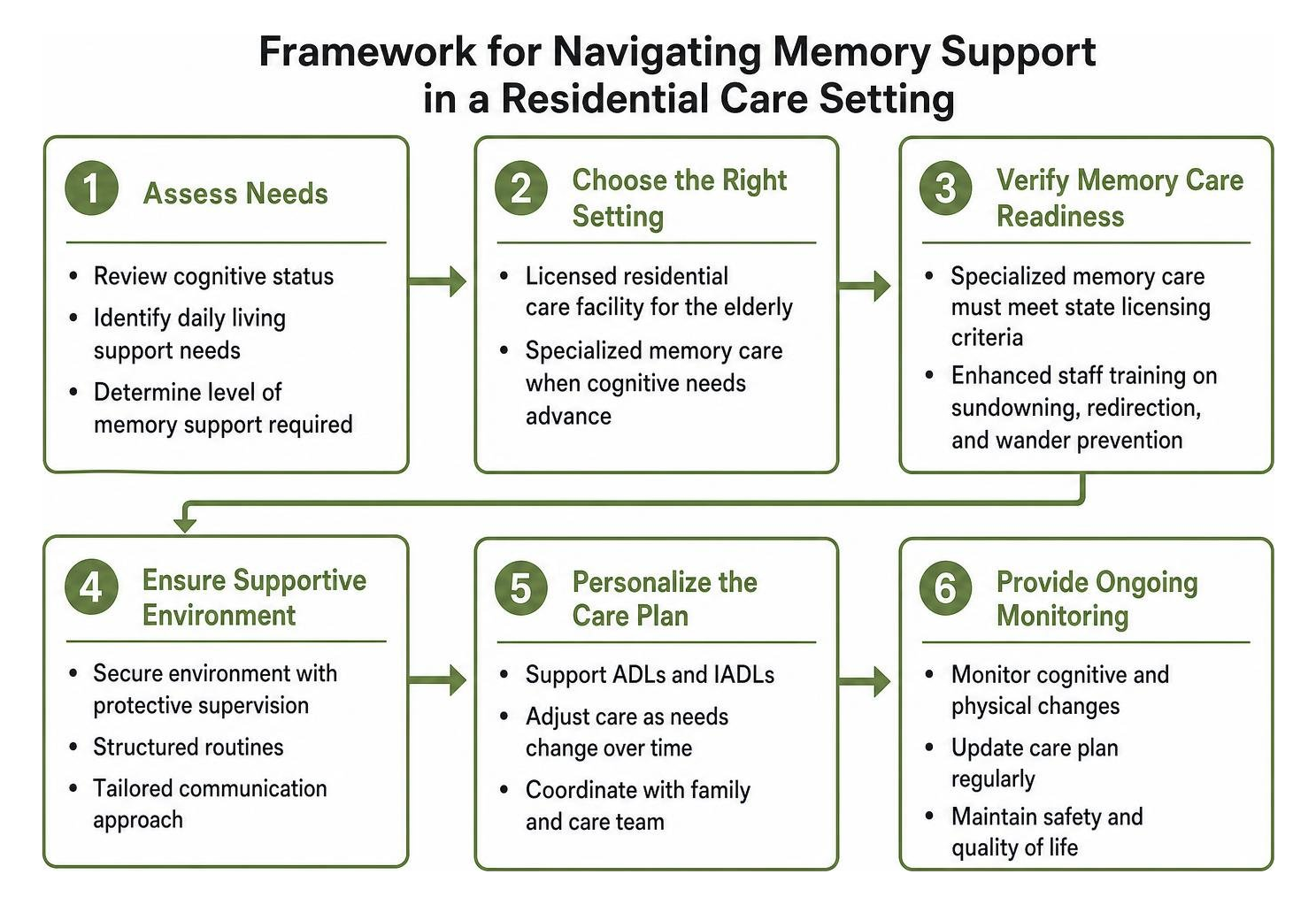
Caring for individuals with Alzheimer's disease or related dementias requires specialized environmental design, protective supervision, and tailored communication. In California, facilities advertising specialized memory care must meet specific licensing criteria, including enhanced staff training on managing sundowning, redirection, and wander prevention.
At Vaca Valley Living, we understand how vital this expertise is. As a family-owned community with over 50 years of experience serving seniors across Northern California—from Vacaville, Dixon, and Davis to Napa, Vallejo, and Walnut Creek—we focus on building nurturing, secure environments. When cognitive needs advance, families often turn to our specialized memory care services. Choosing a dedicated dementia care community ensures that safety precautions, like secure perimeters and structured sensory routines, are seamlessly integrated into daily life.
What to Expect in a Board and Care Home
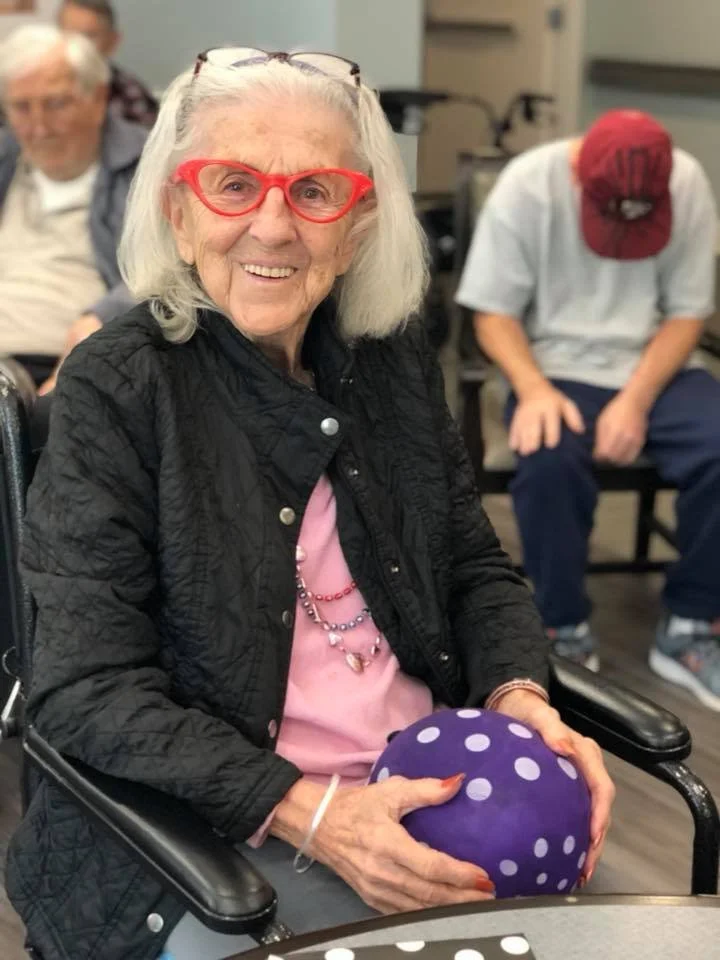
Board and care homes offer a distinct alternative to large apartment-style retirement campuses. Located in residential neighborhoods, they mirror the familiar environment of a private home. Choosing senior living in Vacaville CA or nearby communities allows older adults to remain close to their family networks while enjoying quiet, low-stress surroundings.
Comparing Staff Ratios, Amenities, and Living Environments
The most significant operational advantage of a small 6-bed board and care home is the caregiver-to-resident ratio. In a quality 6-bed home, you will often find 2 caregivers on duty during waking hours—a 1:3 staff-to-resident ratio. Larger commercial assisted living communities may operate with ratios closer to 1:8 or 1:12.
However, the trade-off comes down to amenities versus intimacy:
- Board and Care Homes: Excel at hands-on physical care, immediate assistance, and a quiet, home-cooked meal environment. However, they offer fewer scheduled large-group outings or resort-style features.
- Larger Communities: Provide diverse on-site senior living amenities such as hair salons, wellness spaces, and expansive activity calendars, alongside varied private and shared floor plans.
Financial Considerations and Cost Breakdown
In California, residential care costs average approximately $6,000 per month, though rates vary significantly depending on care requirements and room accommodations:
- Shared Rooms (Board and Care): Typically range from $4,000 to $6,000 per month.
- Private Rooms: Generally range from $6,500 to $9,000+ per month.
- Supplemental Security Income (SSI): Low-income seniors receiving SSI special care rates may access basic shared rooms starting around $1,420 per month in participating homes.
A primary benefit of small board and care homes is their predictable, all-inclusive pricing model. While larger campuses often bill base rent plus separate charges for each care tier, residential homes usually roll meals, laundry, utilities, and daily assistance into one monthly fee. For a deeper breakdown of long-term budgeting options, explore our guide to affordable retirement communities.
How to Evaluate, Tour, and Choose the Right Facility
Selecting a home for your loved one is an emotional and practical decision. Touring in person is essential to verify cleanliness, observe caregiver warmth, and assess the overall atmosphere.
Essential Tour Checklist and Key Questions to Ask
When visiting any residential care home in Solano, Yolo, Contra Costa, or surrounding counties, use this checklist to guide your evaluation:
- Staffing and Supervision: What is your exact caregiver-to-resident ratio during the day and at night? Is an administrator on-site or on-call 24/7?
- Staff Training: What specific training do staff receive for dementia and emergency response?
- Dining and Nutrition: Are meals cooked fresh daily? How do you accommodate special dietary needs or texture modifications?
- Emergency Preparedness: Are emergency pull cords or call pendants provided? Are hallways free of fall hazards and equipped with ADA-compliant ramps?
- Fee Transparency: What is included in the base monthly rate? How much notice is given before rate adjustments (California law requires 60 days for general rate increases)?
- Licensing History: Can we review your most recent state inspection report and any recent citations?
Resident Rights and the Role of the Long-Term Care Ombudsman
Every resident in a licensed California RCFE is protected by specific legal rights, including the right to dignity, privacy, freedom from chemical or physical restraints, confidential communication, and direct involvement in their care planning.
If disputes arise or families suspect neglect, the Long-Term Care (LTC) Ombudsman Program serves as an independent resident advocate. Ombudsmen visit licensed homes, investigate resident complaints, and assist families with dispute resolution. You can reach the California State CRISISline for the Ombudsman 24 hours a day at 1-800-231-4024.
Frequently Asked Questions About Board and Care Homes
Who is the ideal candidate for a board and care home?
Board and care homes are ideal for older adults who require moderate to heavy physical assistance with daily activities (such as two-person transfers or comprehensive bathing help), seniors with mid-to-late stage dementia who find large environments overstimulating, or individuals who prefer quiet, home-like routines over large social calendars.
Does Medicare or Medicaid pay for residential care costs?
Medicare does not pay for non-medical custodial room and board in an RCFE. Most residents pay out-of-pocket through private funds, retirement savings, or long-term care insurance. In California, Medi-Cal does not directly cover standard room and board, although qualifying seniors may access supportive funding through the Assisted Living Waiver (ALW) program in participating counties, or use Veterans Aid and Attendance benefits.
What should families do if care needs increase over time?
If a resident's physical needs increase, the facility's team conducts a care plan reassessment. If a resident develops health needs classified as "restricted" under California licensing (such as stage 3 or 4 pressure sores, active tube feedings, or needs requiring 24-hour skilled nursing), the facility will coordinate with home health or hospice agencies if approved. If care requirements exceed what the license permits, staff work closely with the family to arrange a smooth transition to an appropriate care setting.
Conclusion
Choosing the right living arrangement for an aging loved one brings long-term peace of mind. Residential care facilities for the elderly bridge the gap between complete independence and clinical nursing homes, delivering personalized, non-medical care in comfortable surroundings.
At Vaca Valley Living, we bring decades of family-rooted experience to senior care. If you have questions about memory support or daily care options across Vacaville, Suisun City, or neighboring Northern California communities, our team is always here to assist. Contact our team today or learn more about our care community to find the ideal environment for your family.