Dementia Care Activities That Fit Each Stage
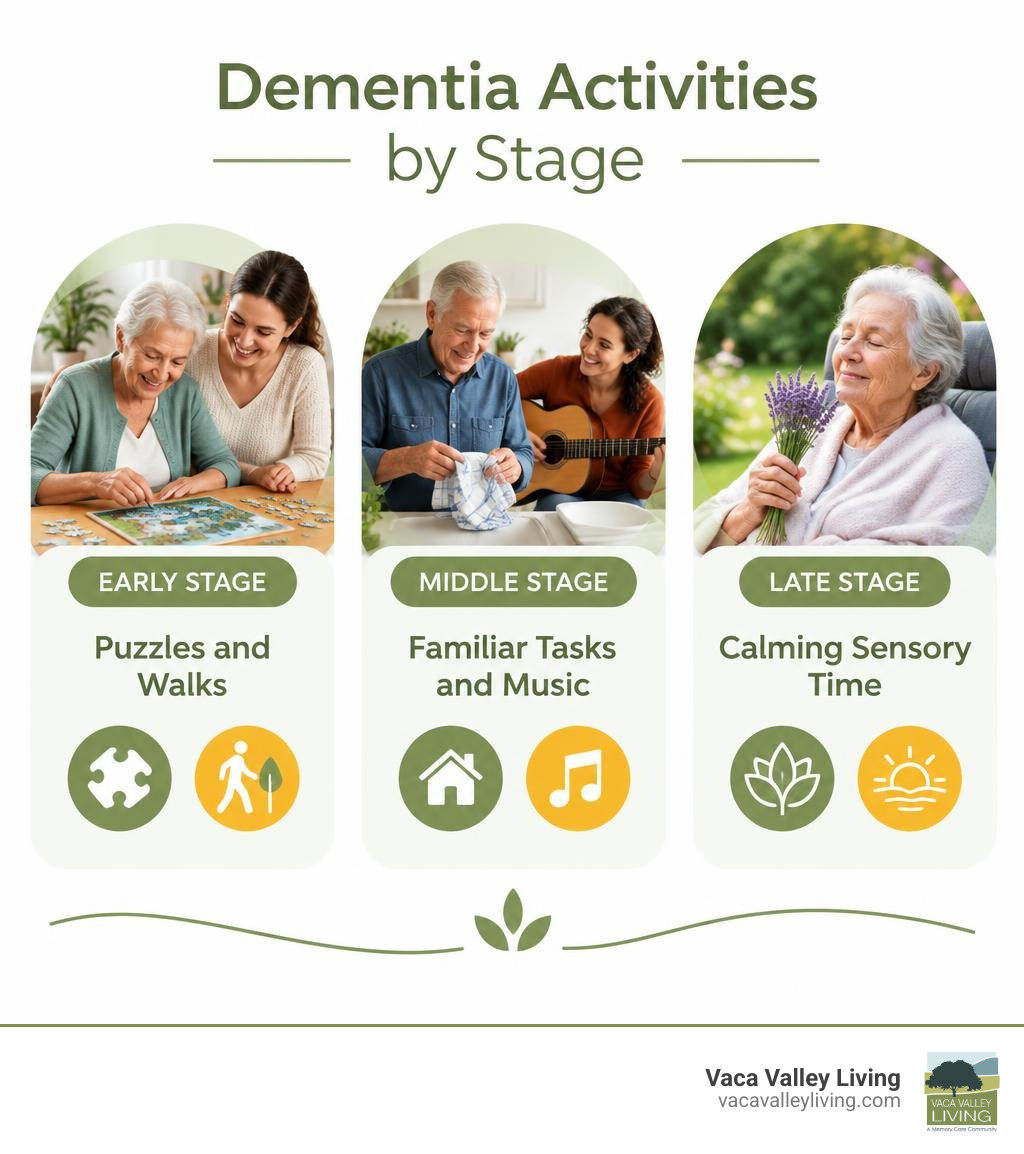
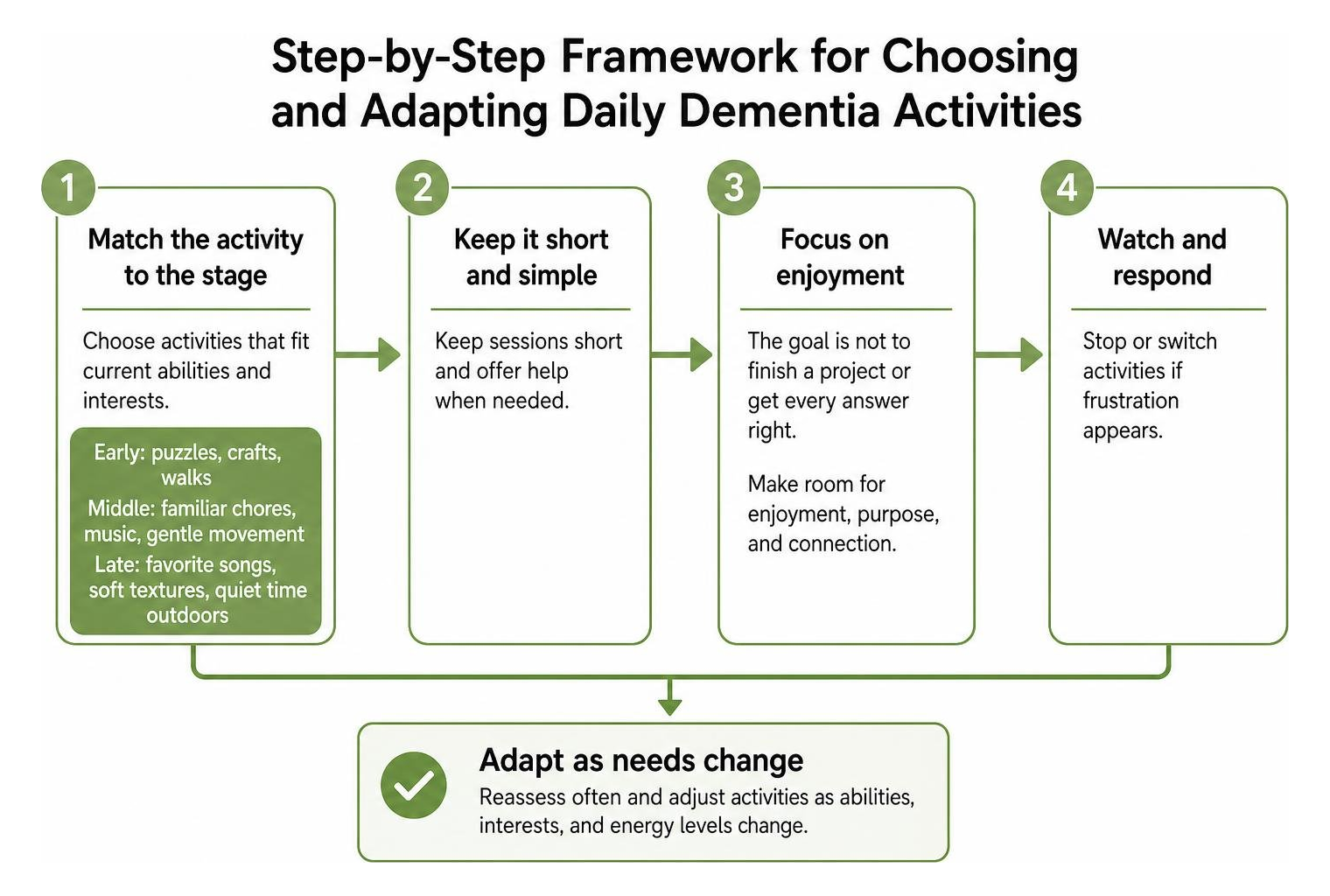
The best dementia care activities match the person's interests and what they can do comfortably today. Try puzzles, crafts, or a walk in the early stage; familiar chores, music, or gentle movement in the middle stage; and favorite songs, soft textures, or quiet time outdoors in the late stage. Keep sessions short, offer help when needed, and stop or switch activities if frustration appears.
The goal is not to finish a project or get every answer right. It is to make room for enjoyment, purpose, and connection. This guide shares ideas you can adapt as your loved one's needs change.
Why Structured Dementia Care Activities Matter
When a loved one experiences memory loss, unstructured hours can lead to boredom, anxiety, and disorientation. Thoughtfully designed daily engagements provide an anchor of predictability. Meaningful routines help regulate the body's natural circadian rhythm, improving nighttime sleep and reducing late-afternoon restlessness—often referred to as sundowning.
Engaging in tailored tasks maintains cognitive pathways, stimulates neural plasticity, and lowers emotional distress. Research published in the journal Dementia demonstrates that simple positive engagements, like spending time in natural settings, significantly lift mood. Furthermore, a comprehensive review of 17 clinical studies concluded that spending time outdoors in a garden setting directly reduces agitation. When activities align with personal history, they reinforce a person's identity and dignity.
For family caregivers, creating a balanced schedule can feel overwhelming. Following practical activities guidelines from the National Institute on Aging helps caregivers introduce physical movement, mental stimulation, and relaxation into each day without triggering unnecessary stress.
Meaningful Daily Activities Tailored by Dementia Stage
As dementia progresses, cognitive capacity and physical endurance evolve. A task that brings joy today might cause confusion tomorrow. Tailoring tasks to current abilities ensures your loved one experiences success rather than frustration.
Early-Stage Dementia Care Activities: Maintaining Independence and Cognition
In the early stage, individuals retain substantial independence and verbal skills. The goal is to sustain executive function, encourage autonomy, and foster social connections.
A study in the journal Gerontologist found that individuals with mild dementia can actively engage in moderately complex arts and crafts or concentration card games for roughly 30 minutes at a time. Research in Frontiers in Aging Neuroscience highlights that assembling puzzles improves memory, problem-solving skills, and helps prevent cognitive decline in adults over 50.
Recommended early-stage activities include:
- Card and Strategy Games: Classic games like Uno, Bridge, Rummy, or matching card sets.
- Detailed Crafts: Painting with watercolors, simple woodworking, pottery, or scrapbooking.
- Discussion & Social Clubs: Book clubs reading short stories, current event chats, or attending local memory cafés.
- Culinary Collaboration: Planning a grocery list, measuring ingredients, and following multi-step recipes.
Implementing structured early stage dementia care strategies early on helps maintain emotional balance and independence.
| Dementia Stage | Recommended Session Duration | Primary Focus | Best Activity Examples |
|---|---|---|---|
| Early Stage | 30 Minutes | Executive function, social connection, and autonomy | Card games, complex crafts, group walks, cooking recipes |
| Middle Stage | 20–25 Minutes | Motor skills, sensory stimulation, and familiar routines | Folding laundry, sing-alongs, guided chair exercise, sorting |
| Late Stage | 10–15 Minutes | Sensory comfort, emotional safety, and soothing touch | Aromatherapy, hand massages, listening to soft music, nature sights |
Middle-Stage Activities: Purposeful Tasks and Creative Expression
In the moderate stage, abstract reasoning and short-term memory decline, but emotional awareness and long-term memories remain vibrant. Studies in the Gerontologist show that people with moderate dementia stay engaged for approximately 25 minutes when activities center on music, rhythmic movement, and entertainment.
At this stage, shift the focus toward open-ended creativity and purposeful everyday contributions. You can find detailed task adaptations in clinical resources like this occupational therapy activity guide.
Engaging options include:
- Household Participation: Folding warm towels, sorting socks, pairing silverware, or sweeping patios.
- Expressive Arts: Freehand sponge painting, playing percussion instruments, and guided scarf dancing.
- Music and Reminiscence: Singing along to tunes from early adulthood (ages 15–25 are prime memory triggers).
- Sensory Sorting: Organizing buttons by color, sorting hardware by size, or arranging fresh-cut flowers.
Many families find that joining structured senior memory care programs provides the structured environment and peer interaction their loved ones need during this transition.
Late-Stage Dementia Care Activities: Sensory and Calming Engagement
In advanced dementia, verbal communication diminishes, and processing verbal instructions becomes difficult. However, the capacity to feel love, comfort, and sensory delight remains intact. Research in the Gerontologist indicates that individuals with severe dementia respond best to gentle physical exercises and sensory or sorting activities lasting about 15 minutes.
Sensory stimulation is supported by a 2021 review in the Journal of Alzheimer’s Disease, which confirmed that sensory therapies significantly benefit mood and cognitive responsiveness. Compassionate approaches such as Namaste Care emphasize sensory enrichment through touch, scent, and sound. Practical frameworks can be explored further in this international caregiver resource kit.
Comforting late-stage activities include:
- Therapeutic Touch: Gentle hand massages using unscented lotion or mild lavender oils.
- Auditory Comfort: Curated playlists of peaceful hymns, classical music, or nature sounds like ocean waves.
- Tactile Engagement: Stroking plush blankets, textured sensory mats, or holding therapeutic weighted companion dolls.
- Aromatherapy & Nature: Inhaling fresh rosemary, citrus peels, or sitting near an open window to feel a cool breeze.
- Memory Keepsakes: Exploring curated memory care memory boxes filled with sentimental items like baby booties, velvet ribbons, or seashells.
Core Activity Categories to Enrich Daily Routine
A well-rounded daily schedule incorporates mental, physical, creative, and social experiences.

Cognitive Stimulation and Reminiscence Games
Keeping the mind active does not require stressful tests. A 2022 study in Neurology revealed that regular engagement in leisure activities like card games and jigsaw puzzles lowers cognitive decline risk.
- Puzzles: Opt for 12- to 36-piece puzzles featuring vibrant, recognizable images of landscapes or animals.
- Photo Storytelling: Assemble old family photographs into a chronological album to spark reminiscence.
- Word & Idiom Games: Complete common sayings (e.g., "A stitch in time saves...") or play word-association games.
- Sorting & Categorization: Sorting coin jars or matching recipe cards can provide hours of quiet focus.
Exploring our dedicated guide on memory care activities for seniors offers additional cognitive games tailored for memory health.
Physical Movement, Balance, and Outdoor Nature Ventures
Physical vitality directly supports cognitive function. A clinical trial revealed that six months of resistance training in older adults with mild cognitive impairment improved cognitive performance and protected key brain regions from degeneration, with positive effects persisting a year later. Furthermore, a systematic review in Evidence-Based Complementary and Alternative Medicine showed that tai chi enhances cognitive function and balance in seniors.
Effective movement options include:
- Seated Yoga and Stretching: Gentle upper-body stretches and ankle rotations paired with deep breathing.
- Tai Chi & Balance Exercises: Slow, deliberate weight transfers that improve stability and reduce fall risks.
- Supervised Garden Walks: Strolling along smooth, secure paths while observing plant textures and listening to birdsong, as highlighted in this outdoor nature connection guide.
- Pet Therapy: Interacting with certified therapy animals. A review in BMC Psychiatry confirmed that animal-assisted therapy significantly lowers agitation and restlessness in Alzheimer's patients.
Creative Expression, Music, and Family Holiday Traditions
Creative arts bypass damaged verbal processing centers, allowing seniors to communicate feelings directly through rhythm and color. A 2021 review in Frontiers in Psychology found that individuals living with dementia who participated in group singing experienced significant improvements in quality of life, cognition, and overall well-being—as did their caregivers.
Holiday traditions can be adapted to keep traditions alive without causing sensory overload:
- Holiday Baking: Engage loved ones in rolling dough, using cookie cutters, or sprinkling cinnamon.
- Decorative Arts: Stringing dried cranberries, creating paper snowflakes, or assembling autumn wreaths.
- Festive Sing-Alongs: Hosting family holiday sing-alongs with familiar classics.
- Intergenerational Storytelling: Encouraging grandchildren to share school drawings or read short holiday poems aloud.
Best Practices for Safety, Adaptation, and Frustration Management
Planning an activity is only half the equation; adapting to the person's mood in real time ensures a positive experience.
Adapting Tasks and Managing Frustration
Frustration usually occurs when a task exceeds a person's current cognitive bandwidth. If you notice signs of stress—such as furrowed brows, sighing, or withdrawal—adjust your approach immediately.
- Break Down Instructions: Provide one clear, simple step at a time instead of multi-step directions.
- Focus on Process Over Product: There is no "wrong" way to paint a flower or fold a napkin. Praise effort rather than perfection.
- Validate and Pivot: If a loved one becomes overwhelmed, validate their feelings ("This is tricky today, let's take a break") and transition smoothly to a calming cup of tea or a favorite song.
Developing dementia care plans tailored to individual life histories helps identify activities that resonate with minimal stress.
Ensuring Safety During Daily Activities
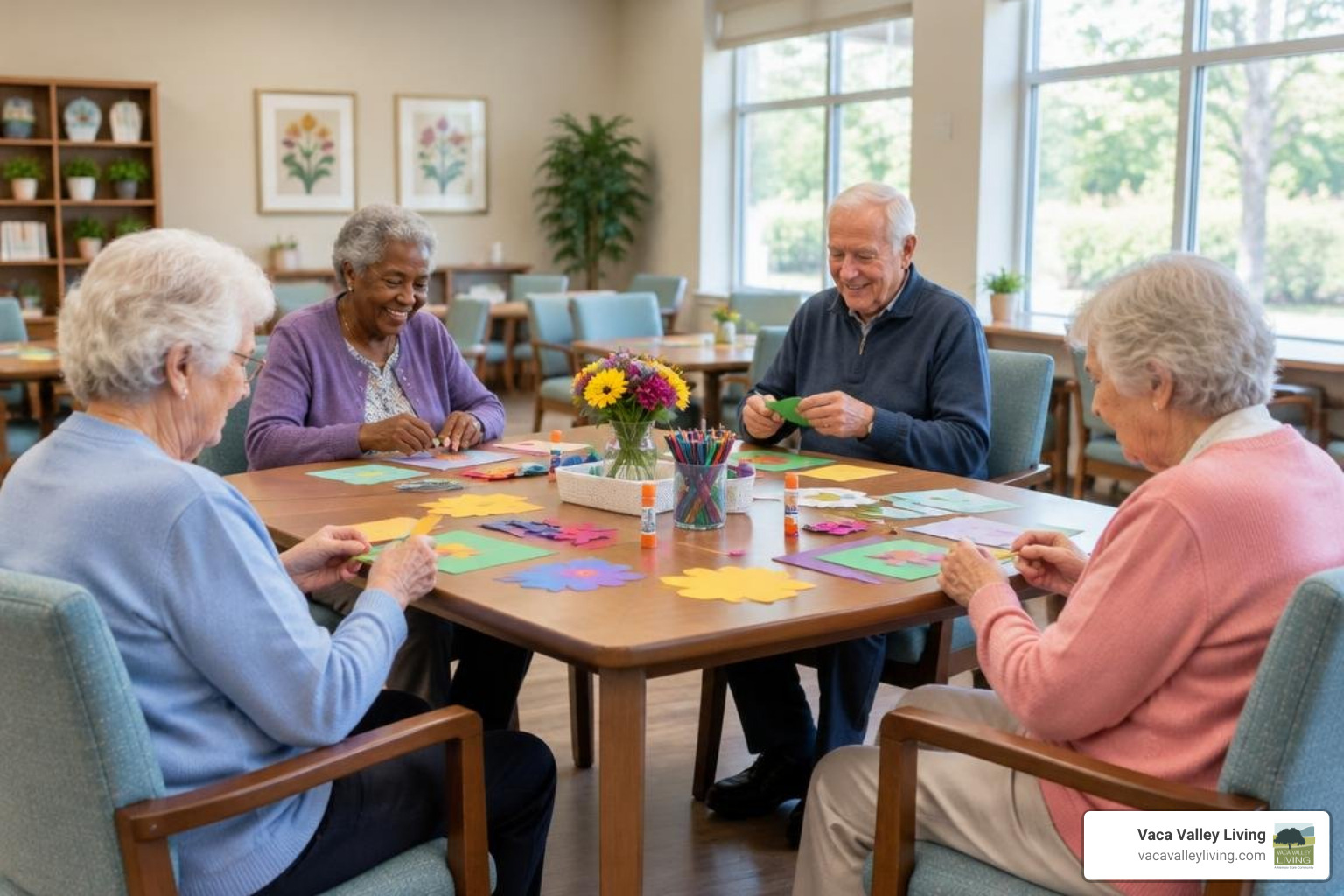
A safe environment allows seniors to participate with confidence.
- Remove Clutter and Fall Hazards: Ensure activity areas have unobstructed pathways, glare-free lighting, and slip-resistant seating.
- Use Adaptive Supplies: Choose blunt safety scissors, non-toxic water-based paints, and easy-grip ergonomic tools.
- Supervise Sharp Objects and Hot Surfaces: During cooking or gardening, handle sharp knives, hot pans, and electrical appliances yourself while inviting your loved one to manage mixing and assembling.
- Hydration Checks: Keep fresh water nearby, as seniors with dementia often forget to drink fluids during focused tasks.
In specialized care settings, physical environments are purposefully engineered with specialized memory care safety features to maintain independence within secure perimeters.
Frequently Asked Questions About Dementia Activities
How long should an activity session last for someone with dementia?
Activity sessions generally range from 15 to 30 minutes depending on the stage of dementia. Early-stage activities can comfortably run 30 minutes, middle-stage sessions typically last 20 to 25 minutes, and late-stage sensory interactions are best kept to 10 to 15 minutes. Always watch for non-verbal cues of mental fatigue, such as looking away, fidgeting, or rubbing the eyes, and conclude the activity on a positive note.
What should a caregiver do if a loved one becomes agitated during an activity?
If agitation arises, immediately stop the activity without drawing attention to errors. Lower your voice, speak in a warm, reassuring tone, and reduce ambient noise like televisions or background chatter. Validate their emotional state, offer a gentle hand hold if welcomed, and shift their focus toward a soothing alternative, such as listening to favorite music or stepping outside for fresh air.
How can ordinary household chores be adapted as therapeutic activities?
Daily chores provide a wonderful sense of belonging and utility. Adapt chores by breaking them into simple, manageable components: invite your loved one to fold washcloths, polish wooden tables with soft dusting cloths, match clean socks, snap green beans, or water potted plants with a lightweight watering can. Focus entirely on the dignity of contribution rather than clinical neatness.
Meaningful Days and Individualized Care
Enriching life for a loved one with dementia does not depend on complex equipment or rigid schedules. It happens in small, shared moments of joy, music, and purposeful engagement. By matching activities to your loved one’s unique strengths and passions, you nurture their self-esteem and preserve precious connections.
At Vaca Valley Living, we bring over 50 years of family-owned experience to creating a warm, individualized, and home-like atmosphere for seniors with Alzheimer's and dementia. Our 24-hour dedicated staff tailors daily routines and therapeutic programs to each resident's unique life story and abilities. If you are exploring care options across Northern California—including Vacaville, Fairfield, Suisun City, Napa, and Sacramento—contact our team at Vaca Valley Living to learn how our personalized memory care community can support your family.