
Essential Printable Guides and Dementia Information for Families PDF Toolkits
When memory changes appear, gathering print-friendly resources gives everyone in your household a shared reference point. Physical handouts and workbooks help organize medications, track daily behavioral patterns, and ensure that every family member understands the physician's clinical guidance. Having clear disease education on paper prevents miscommunication during busy appointments and helps caregivers coordinate tasks seamlessly. These materials are especially valuable during the first months after a diagnosis, when families are absorbing new terminology, adjusting to changing responsibilities, and trying to build a consistent care routine across multiple households.
Free Clinical Handouts and Dementia Information for Families PDF Downloads
During the initial clinical evaluation, having structured symptom logs and diagnostic checklists simplifies conversations with primary care physicians and neurologists. Clinical handouts explain the medical assessment process, rule out reversible conditions, and offer clear frameworks for navigating early stage dementia care. Families can use these forms to record when symptoms first appeared, how often they occur, and which daily activities have become difficult. That written history helps clinicians distinguish between normal age-related changes, mild cognitive impairment, and progressive dementia, and it reduces the chance that important details are forgotten during a time-limited appointment.
Authoritative publications, such as the comprehensive handbook on Caring for a Person With Alzheimer’s Disease, provide practical roadmaps covering everything from initial clinical screenings to FDA-approved treatments and everyday safety adaptations. Reputable health organizations also provide bilingual materials, ensuring Spanish-language PDFs are accessible to multigenerational families who need clear guidance in their preferred language. Having both English and Spanish versions available can be particularly helpful when multiple family members share caregiving duties but have different levels of comfort with medical terminology.
Daily Care Workbooks and Dementia Information for Families PDF Checklists
Daily living with cognitive changes requires predictable routines and structured symptom tracking. Practical workbooks designed for Family caregivers include step-by-step care maps, home adaptation templates, and daily activity schedules. These tools help families document sleep patterns, meal intake, medication timing, and episodes of confusion or agitation, creating a record that can reveal triggers and guide adjustments to the care plan. Over time, a well-maintained workbook also becomes a useful communication tool for home health aides, adult day program staff, and medical providers who need an accurate picture of how the person is functioning between visits.
Caregiver companion cards—small printable wallet cards explaining that a loved one has memory loss—can also be handed discreetly to restaurant staff, store clerks, or medical receptionists. These low-tech tools reduce public stress, protect your loved one's dignity, and make community outings far more manageable. Many families keep a few cards in a purse, glove compartment, or wallet so they are always available when an unexpected situation arises in a public setting.
Understanding the Spectrum: Diagnosis, Types, and Progressive Stages
Dementia is an umbrella term for progressive neurological conditions that impair memory, communication, reasoning, and daily functioning. It is distinctly different from typical age-related forgetfulness.
| Feature | Normal Age-Related Changes | Dementia Symptoms |
|---|---|---|
| Memory Recall | Forgetting names or appointments occasionally, but remembering them later | Inability to recall recently learned information or repetitive questioning |
| Daily Tasks | Needing occasional help with complex settings on appliances | Inability to complete familiar recipes, balance checkbooks, or manage medications |
| Spatial Awareness | Occasional vision changes related to cataracts or aging | Getting lost in familiar neighborhoods or misjudging distances and contrasts |
| Conversational Ability | Sometimes pausing to search for the right word | Stopping mid-sentence, repeating phrases, or calling items by incorrect names |
| Judgment & Reasoning | Making a questionable decision once in a while | Poor financial judgment, neglecting hygiene, or wearing inappropriate seasonal attire |
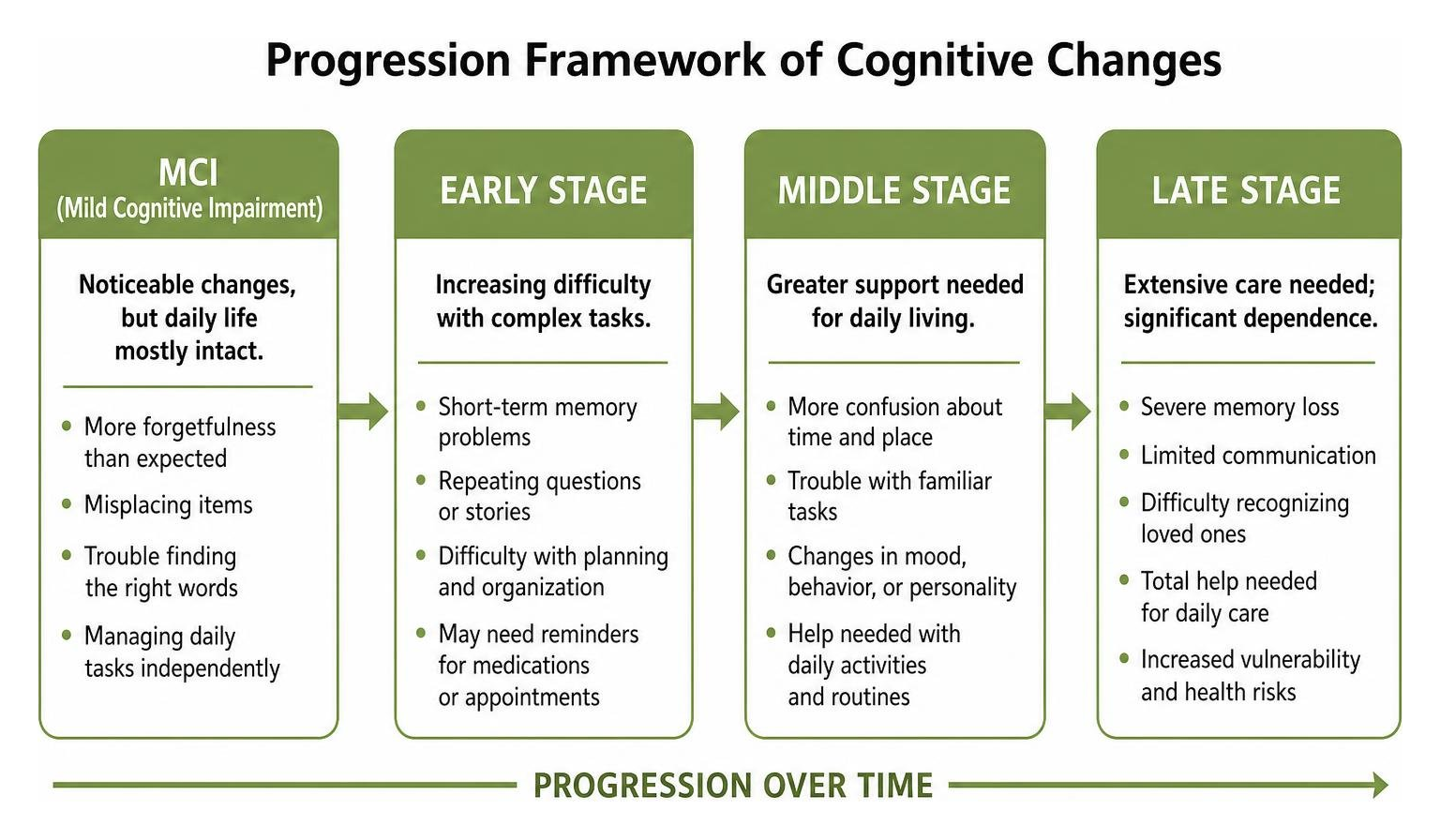
Alzheimer's disease accounts for 50% to 80% of all dementia diagnoses. Other major progressive types include:
- Vascular Dementia: Often linked to strokes or compromised cerebral blood flow, causing step-like cognitive declines and difficulties with planning and organization.
- Lewy Body Dementia: Characterized by visual hallucinations, sleep disturbances, fluctuating attention, and Parkinsonian movement symptoms.
- Frontotemporal Dementia: Involves early changes in personality, social behavior, impulse control, and language processing.
Mild Cognitive Impairment (MCI) often marks the transitional period between normal aging and early-stage dementia. Current research indicates that about half of people diagnosed with MCI will progress to dementia over time.
A thorough medical evaluation is critical because some memory problems stem from reversible causes, such as vitamin deficiencies, thyroid imbalances, normal pressure hydrocephalus, medication interactions, or depression. Scheduling a comprehensive Medicare Annual Wellness exam or visiting a cognitive specialist ensures these treatable issues are identified and addressed immediately.
Practical Daily Strategies: Communication, Safety, and Behavior Management
As cognitive decline advances, behavior often serves as a form of communication for unmet physical or emotional needs. Understanding the root cause of distress helps family caregivers manage challenges without confrontation. Families often wonder what stage is aggression in dementia, and learning how mid-to-late stage confusion influences emotional outbursts helps you respond with calm reassurance rather than frustration. Recognizing that aggression is usually a response to fear, pain, overstimulation, or an inability to express a need can shift the entire dynamic of a difficult moment.
Key daily management practices include:
- Communication Techniques: Speak in a gentle, reassuring tone. Maintain eye contact at eye level, use simple sentences, offer two distinct choices rather than open-ended questions, and rely on positive non-verbal cues like warm smiles and gentle touch. Allow extra time for the person to process what you have said, and avoid correcting or arguing when a statement is inaccurate but harmless.
- Wandering Prevention: Secure exterior doors with high or low safety locks placed outside normal eye lines. Use visual barriers, enroll in safe-return registries like Project Lifesaver, and utilize wearable GPS tracking devices. Keep a recent photograph and a written description of the person's typical walking routes readily available in case a search becomes necessary.
- Sundowning and Sleep Support: Minimize late-afternoon agitation by maximizing natural daytime light exposure, maintaining consistent bedtime routines, and limiting caffeine or heavy evening meals. A quiet, low-stimulation environment in the early evening can reduce confusion and help the person settle more easily.
- Driving Safety and Transition: Regularly evaluate driving abilities with medical professionals. When driving becomes unsafe, transition to public transit or dedicated family driving schedules to preserve independence safely. Frame the change as a shared decision that prioritizes safety rather than as a punishment, and offer alternative ways for the person to remain active in the community.
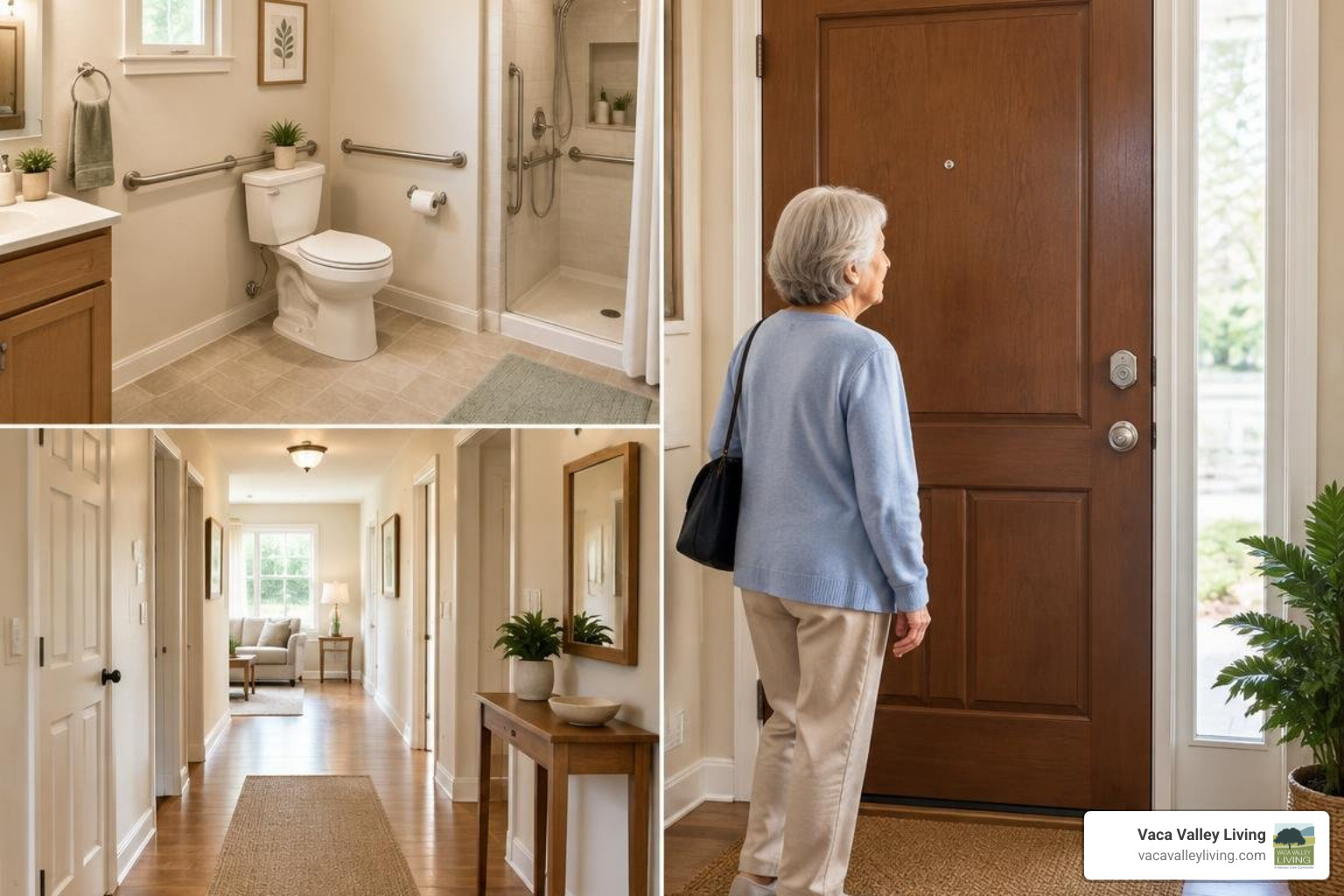
- Home Safety Adjustments: Download a printable home safety checklist to remove tripping hazards, secure medications and cleaning chemicals, install bathroom grab bars, and label key kitchen cabinets. Simple changes such as improving lighting in hallways and removing loose rugs can prevent falls and reduce confusion during nighttime trips to the bathroom.
For a comprehensive state-level planning resource, consult the Virginia Dementia Road Map: A Guide for People Impacted by Dementia to navigate community roadmaps and long-term care preparation. Even if you live outside Virginia, the guide offers a useful model for organizing medical, legal, safety, and support information in one accessible place.
Navigating Legal Planning, Caregiver Burnout, and Long-Term Support
Establishing legal and financial protections early ensures your loved one's personal wishes are honored while they can still actively participate in decision-making. Important documents to complete include:
- Durable Power of Attorney (POA) for financial affairs and healthcare decisions
- Advance Healthcare Directives and Living Wills detailing end-of-life preferences
- Do Not Resuscitate (DNR) orders and Physician Orders for Life-Sustaining Treatment (POLST), if appropriate
- Revocable Living Trusts and updated wills to protect estate assets
Completing these documents while the person with dementia can still express preferences reduces the burden on family members later and helps prevent disagreements about care choices. An elder law attorney or certified financial planner with experience in dementia planning can explain state-specific requirements and ensure that all paperwork is properly executed.
Caregiver burnout is a serious risk for the millions of people who provide daily support to family members with memory loss. Warning signs of burnout include chronic exhaustion, social withdrawal, feelings of resentment, and neglected personal health. Caregivers who ignore these signs are more likely to develop anxiety, depression, and physical health problems, which can ultimately affect the quality of care they are able to provide. Scheduling regular breaks, maintaining personal medical appointments, and accepting help from other family members or volunteers are essential protective habits.
Connecting with local dementia support services allows caregivers to access structured peer support groups, counseling, and education. Community resources such as Alzheimers day programs provide daytime cognitive stimulation for seniors while giving family caregivers essential respite hours. Using respite time for rest, exercise, or social connection helps caregivers return to their responsibilities with more patience and energy.
To explore evidence-based strategies for maintaining your own health while providing care, review the international manual on Caring for a person with dementia. The guide includes practical advice on managing stress, communicating effectively, and planning for changing care needs over time.
Knowing When to Transition: Residential Memory Care and Advanced Support
As dementia progresses into late stages, physical care demands, wandering risks, and incontinence often exceed what a family can safely manage at home. Transitioning to professional Alzheimers care facilities provides continuous supervision, structured daily enrichment, and compassionate support tailored to late-stage needs. Families often delay this decision because they feel a sense of guilt or worry that moving a loved one means giving up, but professional memory care can actually improve quality of life by providing consistent routines, specialized activities, and around-the-clock safety monitoring.
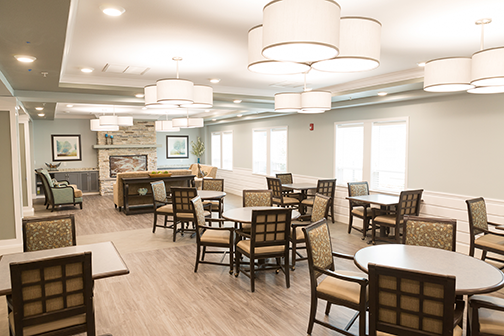
A specialized secure memory care unit is intentionally designed with secure perimeters, intuitive circular floor plans to prevent frustration during wandering, and 24-hour staffing trained in de-escalation techniques. Moving to a dedicated memory care environment relieves family members from the exhausting role of primary medical manager, allowing you to return to being a loving daughter, son, or spouse. When the daily responsibilities of bathing, dressing, medication management, and constant supervision are handled by trained professionals, family visits can focus on connection, conversation, and shared activities rather than caregiving tasks.
Frequently Asked Questions About Dementia Resources
Where can caregivers find free printable dementia care packets in English and Spanish?
Free printable resources are available directly through the National Institute on Aging (NIA), local Area Agencies on Aging, and leading nonprofit organizations. These groups offer downloadable PDF booklets, symptom trackers, and home safety checklists in both English and Spanish. Many of these materials can be printed at home or ordered in bulk for family meetings, and some organizations also provide large-print versions for older readers or those with vision changes.
What legal and financial documents should families prepare immediately after diagnosis?
Families should promptly establish a Durable Power of Attorney for healthcare and finances, an Advance Healthcare Directive, a Living Will, and an updated will or trust. Preparing these documents early ensures the individual's legal and medical preferences are respected. It is also wise to review beneficiary designations on retirement accounts and life insurance policies, and to document the location of important financial records so that authorized family members can access them when needed.
How can family members de-escalate sudden agitation or sundowning at home?
When agitation occurs, avoid arguing or attempting logical reasoning. Validate their feelings, reduce noise and lighting stimulation, provide a soothing snack or calming music, and gently redirect their attention toward a comforting, familiar activity. If the behavior continues, step back and consider whether the person may be experiencing pain, hunger, thirst, or a need to use the bathroom, since these unmet physical needs are common triggers for distress in people with dementia.
Conclusion: Empowering Your Family Through Every Stage of Memory Care
Navigating dementia is a multi-stage journey that requires practical tools, continuous education, and dependable support systems. Utilizing printable toolkits, establishing early legal plans, and implementing calm daily communication techniques empowers your family to maintain meaningful connections with your loved one. Each stage brings new challenges, but having reliable information and a coordinated care plan helps families respond with confidence rather than fear.
When round-the-clock care needs grow beyond home management, our team at Vaca Valley Living is here to help. Located in Vacaville, CA, we are a family-owned community with over 50 years of experience providing a warm, home-like environment. We offer 24-hour staffing, personalized care plans, life-enriching amenities like an on-site salon and scheduled transportation, and compassionate memory care. Our team works closely with families to understand each resident's history, preferences, and daily rhythms, so that care feels personal and familiar from the very first day.
Explore how our personalized memory care community support can bring safety to your loved one and peace of mind to your entire family. Whether you are just beginning to gather dementia information for families PDF resources or are already considering a move to residential memory care, we are available to answer questions and help you plan the next step.