How to Find Memory Care Centers Near You

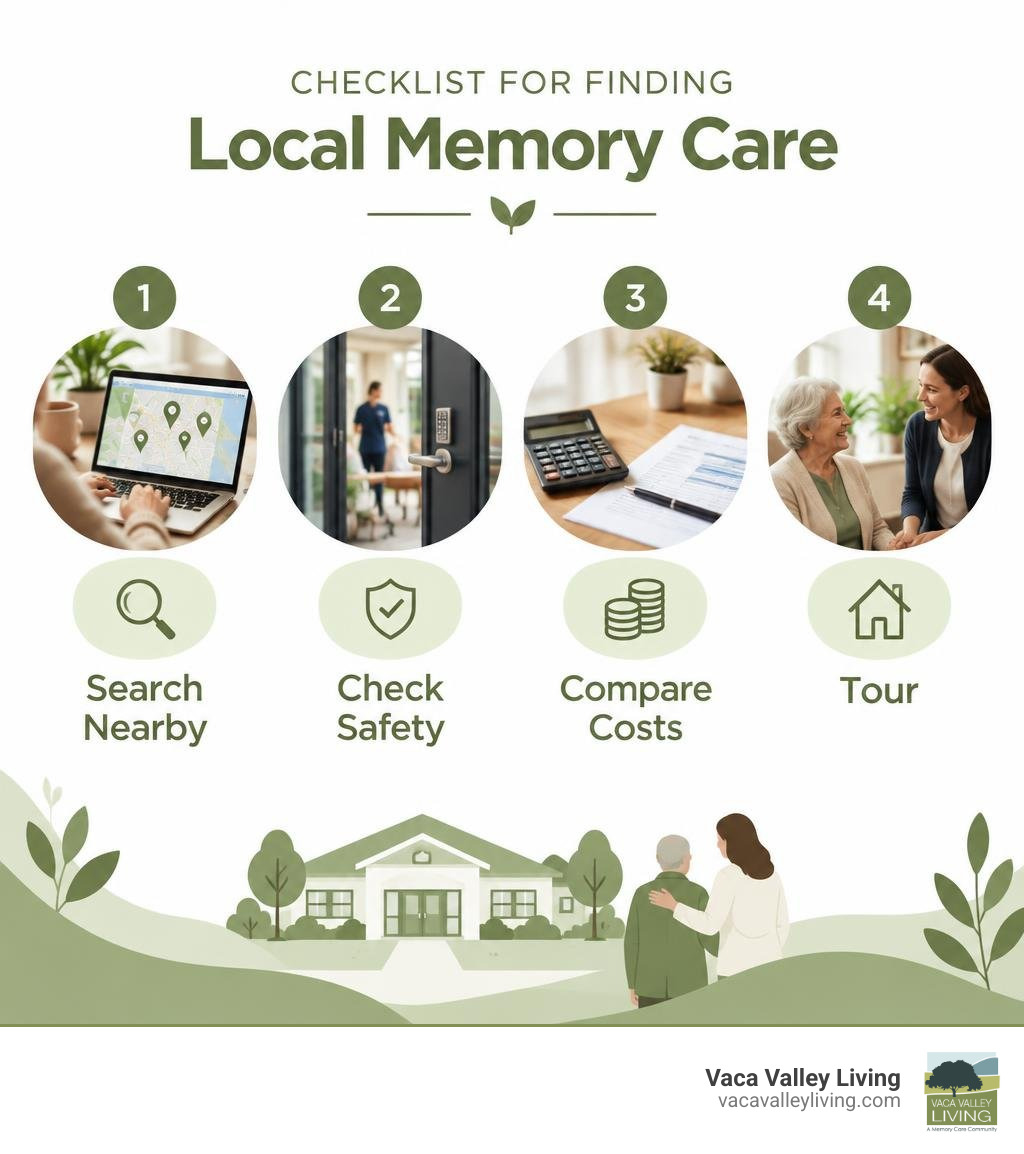
To find memory care centers near you, search by city or ZIP code and shortlist communities close enough for regular family visits. Then confirm each community's license, ask about 24-hour staffing and secure entrances, and request a written cost estimate based on your parent's care needs. Tour your top choices before joining a waitlist or paying a deposit.
The right fit is more than a safe building. Notice how staff speak with residents, what a typical day looks like, and whether your parent seems comfortable in the space. This guide will help you compare local options and ask questions that matter.
Understanding Your Options: AL/MC vs. Standalone Memory Care
When searching for the right care environment for a loved one with cognitive changes, you will often encounter two primary community models: combined Assisted Living and Memory Care (AL/MC) communities, and standalone memory care residences. Understanding what a memory care facility provides within each framework helps you select an environment tailored to your family's needs.
Combined AL/MC communities house both traditional assisted living apartments and dedicated memory care neighborhoods under one roof or on a shared campus. This setting allows couples with differing care needs to stay close to one another, or enables a senior to transition seamlessly from assisted living to memory support if their cognitive needs progress.
In contrast, standalone memory care facilities focus exclusively on supporting individuals living with Alzheimer’s disease, vascular dementia, Lewy body dementia, and related conditions. Every architectural feature, daily schedule, and staff member is dedicated to cognitive support, minimizing overstimulation and reducing confusion for residents.
| Feature | Combined Assisted Living & Memory Care (AL/MC) | Standalone Memory Care (MC) |
|---|---|---|
| Primary Focus | Broad spectrum of senior support with specialized wings | 100% focused on Alzheimer’s and dementia care |
| Campus Layout | Multi-tiered buildings or distinct wings; shared campus amenities | Secure, circular layouts designed specifically for wayfinding |
| Staff Training | General caregiving teams alongside specialized dementia staff | All on-site staff receive dedicated cognitive and dementia training |
| Activity Programming | Blended calendars with separated cognitive tracks | Exclusively sensory-focused, structured dementia activities |
| Best Suited For | Couples with varying needs; seniors in early transitional stages | Seniors needing a dedicated, secure, low-stress environment |
Admission Criteria and Clinical Eligibility
Evaluating memory care options requires understanding clinical eligibility. Across licensed communities, admission criteria typically require a formal medical diagnosis of Alzheimer’s, dementia, or documented cognitive impairment. While a small percentage of senior housing settings admit residents based purely on minimum age thresholds (such as 55+, 60+, or 62+), specialized memory neighborhoods evaluate clinical needs to ensure they can provide safe, appropriate care.
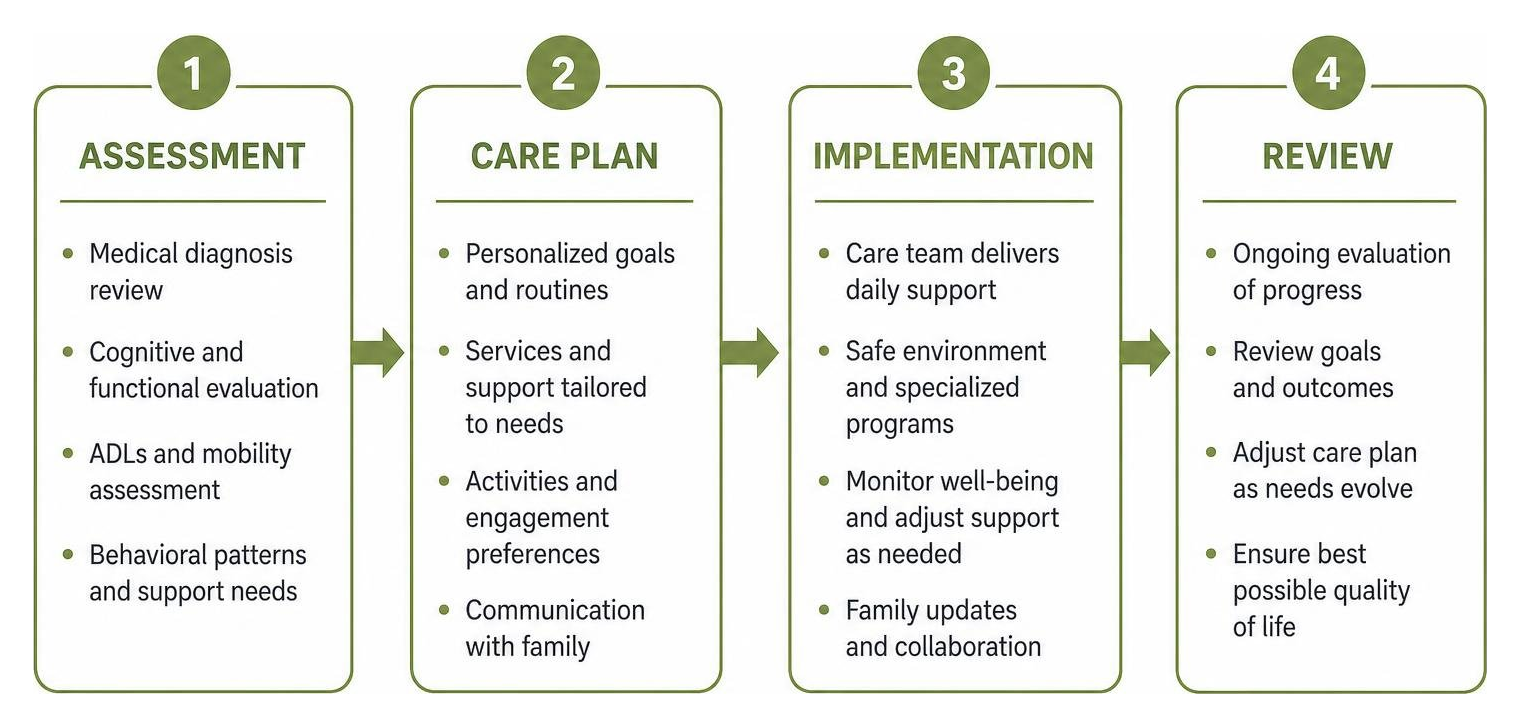
During the intake process, our clinical directors conduct a comprehensive pre-admission assessment. This evaluation looks at physical mobility, cognitive status, behavioral patterns, assistance required with Activities of Daily Living (ADLs)—such as bathing, dressing, and eating—and medical management needs. For families managing early stage dementia care, early evaluations establish baseline capabilities so that care routines can evolve gracefully alongside your loved one.
Security and Specialized Safety Standards
Safety is the cornerstone of effective memory care. Cognitive conditions often lead to disorientation, time confusion, and exit-seeking behaviors. For this reason, memory care communities implement comprehensive physical safety measures.

A dedicated, secure memory care unit utilizes secured exterior doors with keypad or magnetic release systems, delayed-egress emergency doors, and continuous indoor-outdoor walking paths that prevent dead ends. These intentional layouts allow residents to move freely without encountering locked barriers that might trigger anxiety.
Communities incorporate specialized memory care safety features, including:
- 24-Hour On-Site Staffing: Trained health staff and caregivers available at all hours to assist with nighttime wakefulness, personal care, and emergency response.
- Wandering Prevention Systems: Monitored sensor technology and unobtrusive perimeter boundaries that keep residents safe while preserving independence.
- Secure Courtyards: Fully enclosed outdoor gardens, walking trails, and seating areas where residents can enjoy fresh air and sunshine safely.
- Environmental Wayfinding: Color-coded corridors, shadow boxes outside apartment doors, and circadian lighting fixtures designed to regulate natural sleep-wake cycles.
Key Factors When Evaluating Memory Care Centers Near Me
Choosing the best community involves looking beyond basic amenities to assess the underlying philosophy of care. When researching memory care centers near me, families should focus on how the physical environment, staff culture, and clinical oversight interact on a day-to-day basis. Reviewing an official Area Agency resource guide can help you understand regional regulatory standards and consumer rights.
A top-tier community does not take a one-size-fits-all approach. Instead, clinical directors work directly with families to develop structured, dementia care plans that reflect each resident's unique personal history, hobbies, waking rhythms, and dietary preferences.
How to Locate Top-Rated Memory Care Centers Near Me
Finding memory support communities across Northern California—including Vacaville, Fairfield, Dixon, Winters, Vallejo, Napa, Benicia, and the greater Sacramento region—requires practical research:
- Verify State Licensing: Check regulatory records through state Department of Social Services portals to review compliance history, inspection reports, and staffing certifications.
- Examine Peer and Family Reviews: Look for long-term feedback from families regarding communication transparency, staff responsiveness, and food quality.
- Assess Geographic Proximity: Select communities located near your work or home in Solano, Napa, Yolo, or Contra Costa counties. Frequent, low-stress visits by family members significantly enhance a resident's emotional well-being.
- Consult Local Placement Specialists: Local advisors who specialize in Northern California senior living can offer nuanced insights into specific neighborhood cultures and availability.
Floor Plans, Unit Sizes, and Pet Policies
Memory care communities offer several floor plan options designed to minimize clutter while providing a comfortable, home-like atmosphere.

Available floor plans typically range from efficient studio layouts to spacious one-bedroom and companion suites:
- Studios (approx. 350–450 sq. ft.): Highly recommended in memory support because an open sightline between the bed and bathroom reduces disorientation and fall risks.
- One-Bedroom Suites (approx. 500–700 sq. ft.): Offer separate living areas for residents who appreciate distinct zones for relaxing and sleeping.
- Two-Bedroom / Companion Suites (up to 900 sq. ft.): Ideal for couples or residents who thrive with a roommate for social connection.
Pet policies vary significantly across memory care communities. Many communities welcome companion animals, provided the resident or family can manage daily care. Communities that permit pets often require a one-time pet deposit (typically ranging between $400 and $1,500) and may enforce weight restrictions (such as pets under 20 to 30 pounds) to maintain safety for all residents.
Daily Life, Amenities, and Therapeutic Activities
An enriching daily routine helps reduce agitation, depression, and sundowning symptoms. Daily life in memory care centers on therapeutic rhythm, predictable structure, and joyful moments.
Purposeful memory care activities for seniors blend cognitive maintenance with emotional connection. Programs include:
- Reminiscence and Music Therapy: Tapping into long-term memories through familiar songs, storytelling, and tactile memory boxes.
- Sensory and Art Experiences: Tactile gardening, watercolor painting, and aromatherapy to soothe the nervous system.
- Physical Movement: Chair yoga, walking clubs in secure courtyards, and balloon volleyball to support coordination and balance.
- Nutritious Dining: Three chef-prepared meals daily, served in intimate dining rooms with adaptive utensils, contrast-colored plates, and textured finger foods when needed.
- Comfort-Focused Amenities: On-site beauty salons and barber shops, relaxing quiet lounges, and scheduled community transportation for group outings—features highlighted in our complete amenities directory.
Understanding Memory Care Costs, Fees, and Financial Assistance
Memory care pricing reflects the high staff-to-resident ratios, specialized security, and clinical oversight required to support cognitive conditions. Understanding how communities structure their billing helps families plan for long-term expenses.
The primary cost components include:
- Community / Entry Fee: A one-time upfront fee (typically between $2,000 and $6,000) that covers administrative onboarding, room preparation, and initial care assessments.
- Base Monthly Rate: Covers housing, full utility services, three daily meals, snacks, weekly housekeeping, laundry, and scheduled transportation.
- Levels of Care (Tiers): Additional monthly charges assessed on a points or tiered system based on the amount of hands-on care a resident requires for ADLs, medication administration, and behavioral redirection.
To understand how these components interact, explore our guide on dementia assisted living cost variables.
Financial Support and State Waiver Programs
Paying for memory care often involves combining personal savings, retirement funds, and specialized financial assistance programs:
- Long-Term Care Insurance (LTCI): Many comprehensive policies provide direct daily or monthly stipends toward memory care once a resident requires assistance with two or more ADLs or requires supervision due to cognitive impairment.
- Veterans Aid and Attendance: Eligible wartime veterans and surviving spouses can receive monthly tax-free pension enhancements to help offset memory care costs.
- Medicaid and State Waivers: In various states, Medicaid Home and Community-Based Services (HCBS) waivers—such as Elderly Waiver programs—help cover care services for qualifying low-income seniors. Policies vary widely: some communities do not participate in waiver programs, while others accept state waivers only after a private-pay spend-down period of 24 months. Families should always confirm financial assistance criteria during their initial visit.
Touring and Selecting the Right Community
In-person tours provide crucial insights that brochures and websites cannot match. When visiting a memory support community, look closely at daily interactions:
- Observe Staff-Resident Interactions: Do caregivers speak at eye level with warmth and patience? Do they use residents' preferred names?
- Assess the Dining Atmosphere: Visit during lunch to see how meals are served. Is the atmosphere calm and inviting? Are staff actively assisting residents who struggle with utensils?
- Check the Environment: Is the community clean, bright, and free from unpleasant odors? Is there natural light throughout the common areas?
- Review Activity Participation: Are residents actively engaged in meaningful programs, or are they sitting passively in front of a television?
Questions to Ask When Touring Memory Care Centers Near Me
To make an informed comparison, bring this list of essential questions to each community tour:
- Staffing and Training: What specific dementia care training do caregivers and nurses receive prior to working on the floor, and how frequently do they complete continuing education?
- Staff Ratios: What is the staff-to-resident ratio during daytime hours, evening hours, and overnight shifts?
- Medical Oversight: Is there a licensed nurse on-site 24/7, or are they on-call during specific shifts? How are medication changes managed?
- Behavioral Management: How does the team handle sundowning, exit-seeking behaviors, anxiety, or aggression without relying primarily on chemical restraints?
- Fee Adjustments: How often are care plans reassessed, and what notice is given before care tier fees increase?
- Waitlist & Deposits: What is the deposit requirement to join the waitlist, and is this deposit fully refundable if care needs change before move-in?
Frequently Asked Questions about Memory Care Centers
How do memory care centers handle wandering and exit-seeking behaviors?
Memory care communities manage wandering by pairing environmental design with attentive caregiving. Communities feature secure, locked perimeters with keypad access and delay-activated emergency exits. Hallways are often circular to allow safe, continuous walking without confusing dead ends. When residents experience restlessness or exit-seeking, trained staff use compassionate redirection, soothing sensory activities, and structured exercise to address the root emotional cause of the restlessness.
What is typically included in the monthly memory care fee?
The monthly fee generally covers comprehensive room and board, including three chef-prepared meals daily, snacks, 24-hour health and security staffing, emergency call systems, daily wellness checks, medication administration, weekly housekeeping, personal laundry, scheduled transportation, and all therapeutic activity programming. Specific personal care tiers (such as extensive incontinence management or two-person transfer assistance) are added based on the resident's clinical assessment.
Can residents bring personal furnishings and pets into memory care?
Yes, communities encourage families to furnish apartments with familiar items—such as a favorite armchair, family photos, bedspreads, and cherished keepsakes—to create a comforting, recognizable environment. Many communities allow companion pets under specific weight limits (often under 20–30 lbs) with an accompanying pet deposit, provided the pet is safe around other residents and care routines are managed smoothly.
Conclusion
Finding the right memory support community is an act of love and proactive care. Navigating cognitive changes can feel overwhelming, but you do not have to walk this path alone. Choosing an experienced community with dedicated caregivers, secure environments, and personalized programs gives your loved one the dignity, structure, and joy they deserve.
At Vaca Valley Living, we bring more than 50 years of family-owned care experience to families throughout Vacaville and surrounding Northern California communities. Our warm, residential setting is designed specifically to support seniors living with Alzheimer’s and dementia while providing families with genuine peace of mind. We invite you to connect with our team, take a tour, and discover how our personalized care approach makes a meaningful difference every day.