Find a Memory Care Volunteer Role That Fits You
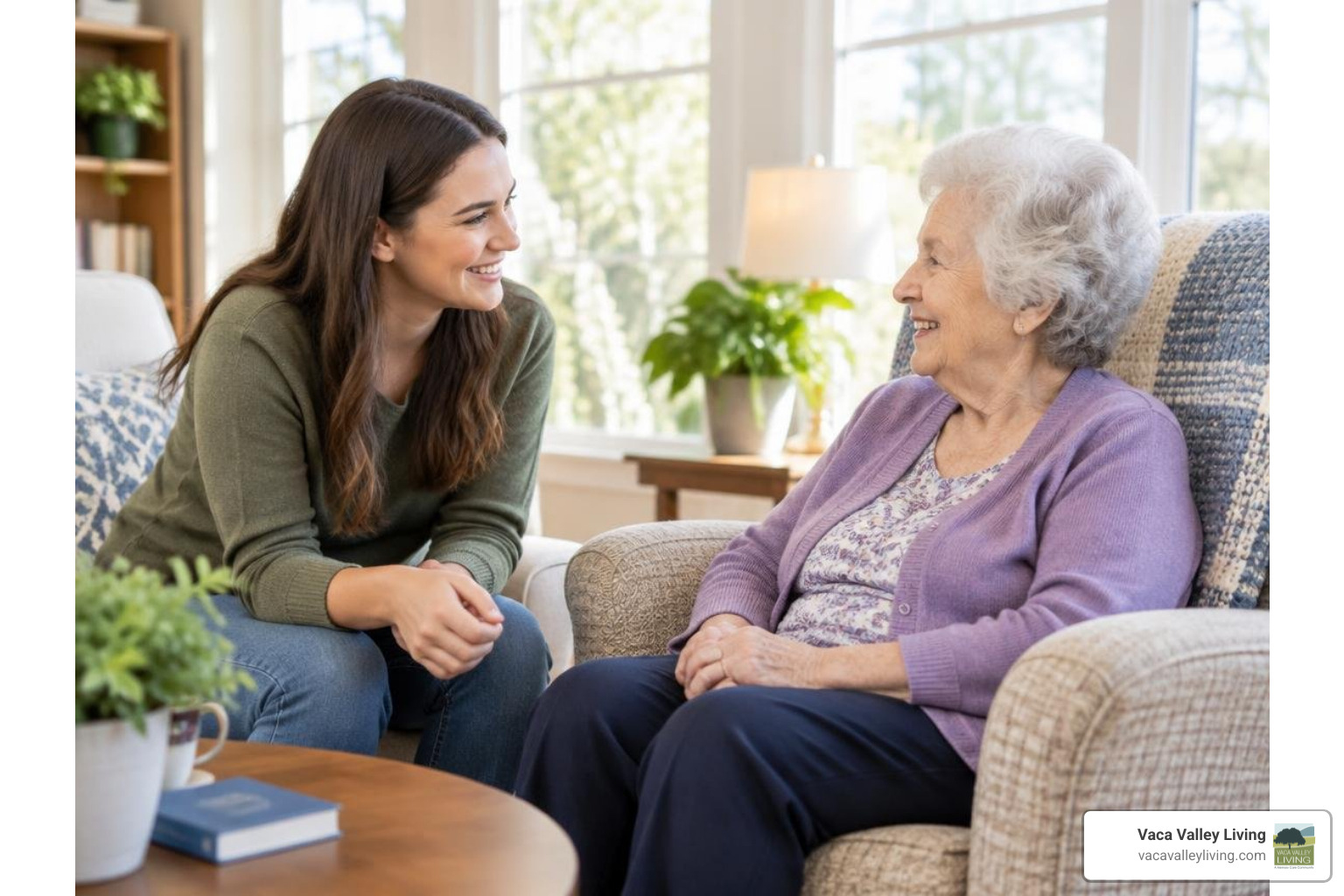
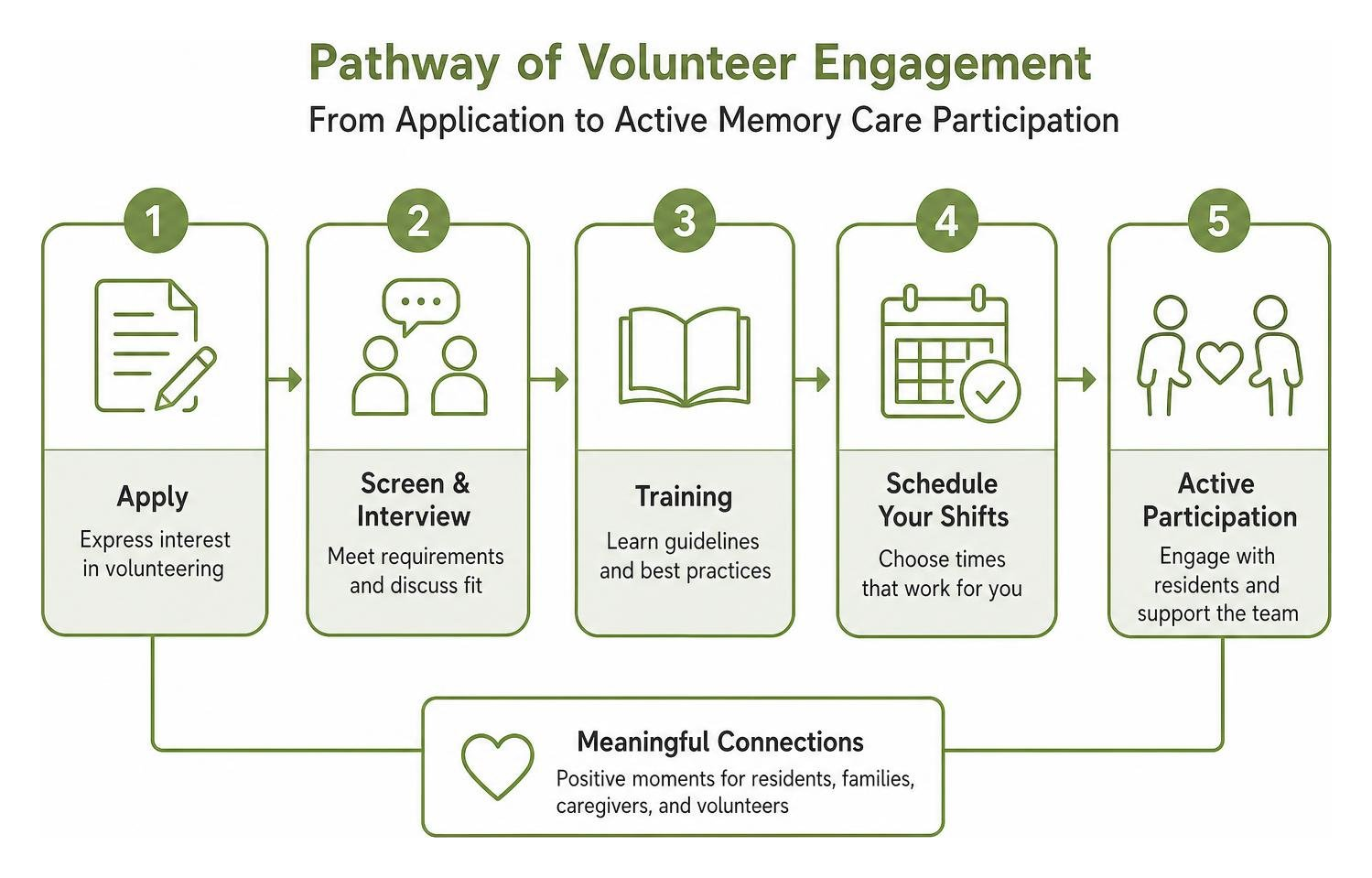
Memory care volunteer opportunities often include one-on-one visits, group activities, and caregiver respite programs. You might talk with a resident, work on a puzzle, share music, or help with a staff-led craft. To get started, ask a local memory care community or dementia day program about open roles, training, screening, and shift times. Many volunteers begin with a short visit to observe a current activity, then choose a role that matches their comfort level and availability.
The best role fits both your schedule and the people you hope to support. A calm, patient volunteer can offer a welcome moment of connection while giving caregivers and staff another helping hand. Whether you can commit to a weekly morning or an occasional weekend afternoon, communities can often match you with residents who benefit most from your presence.
Why Volunteering in Dementia and Memory Care Matters
Living with cognitive decline can feel isolating for seniors, but social engagement helps bridge that gap. When you volunteer in a dementia setting, you bring new energy into the environment. A simple chat over tea or assistance with a painting project creates positive emotional moments that linger long after the activity concludes. These moments are not just pleasant; they support emotional well-being and help residents stay connected to the world around them.
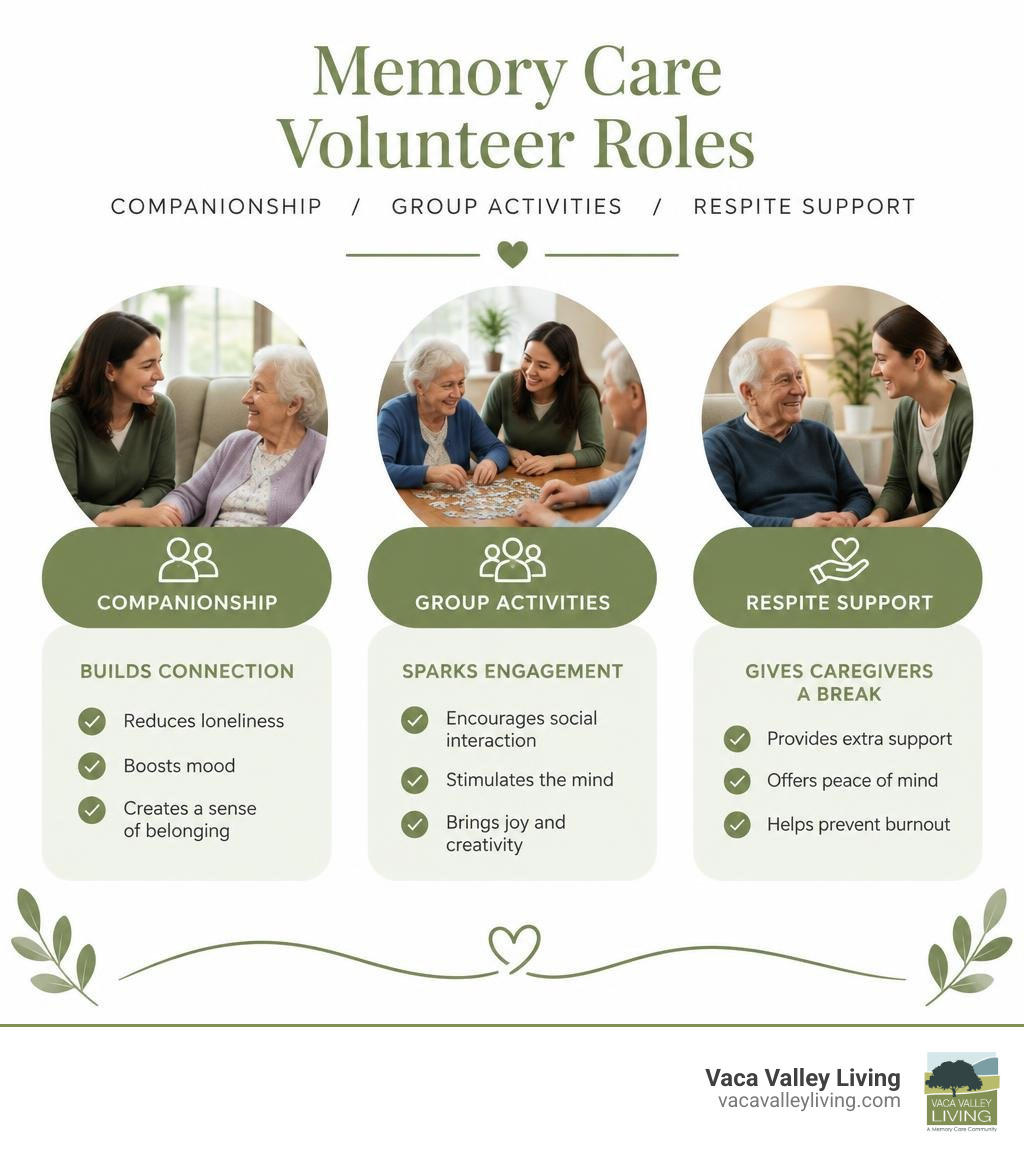
Meaningful interactions reduce feelings of loneliness and anxiety for residents. For family members navigating the care journey, volunteer presence provides vital reassurance. Programs that incorporate volunteer assistants offer essential dementia support for caregivers, allowing family members time to step away and recharge while knowing their loved ones are engaged in safe, compassionate company. This respite is often the difference between caregiver burnout and sustainable, loving care at home.
This service also transforms the volunteer. Spending time with individuals navigating memory loss fosters deep empathy, sharpens active listening, and highlights the value of living in the present moment. Volunteers often report that they receive more than they give, gaining perspective and patience that enrich their own lives. By stepping into these spaces, you contribute directly to broader Alzheimer's family support networks across our Northern California communities.
High-Impact Memory Care Volunteer Opportunities to Consider
Memory care initiatives rely on diverse talents and scheduling preferences. Whether you prefer quiet one-on-one conversations or lively group sessions, communities offer several pathways to get involved. Each role supports meaningful engagement and life enrichment in its own way, so you can choose the approach that feels most natural to you.
One-on-One Memory Care Volunteer Opportunities as a Companion
One-on-one companionship centers on focused, personal connection. In this role, you spend time with an individual resident, matching their pace and interests. Activities might include:
- Sitting together in a courtyard garden
- Working on simple, large-piece jigsaw puzzles
- Reading aloud from classic books or newspapers
- Listening to their favorite stories and memories
This approach creates a peaceful, pressure-free atmosphere. As modeled by standard Memory Care Companion role programs, volunteers act as a calming presence, helping residents feel heard and valued in dedicated memory care settings. Active listening and a patient, unhurried manner are often more important than finding the right words.
Group-Based Memory Care Volunteer Opportunities and Respite Programs
If you thrive in social, interactive spaces, group activity support is an ideal pathway. Volunteers assist activity coordinators during structured group gatherings, including morning stretch circles, trivia games, and group storytelling. These sessions give residents a chance to laugh, move, and connect with peers in a supportive setting.
These sessions are foundational to organized day programs and structured senior memory care programs. By assisting staff, volunteers ensure every participant receives attentive guidance during activities. These group sessions provide dual benefits: residents enjoy cognitive stimulation and socialization, while primary family caregivers receive dependable blocks of respite time, much like the framework found in respite assistant programs for memory loss.
Creative Arts, Music, and Reminiscence Support
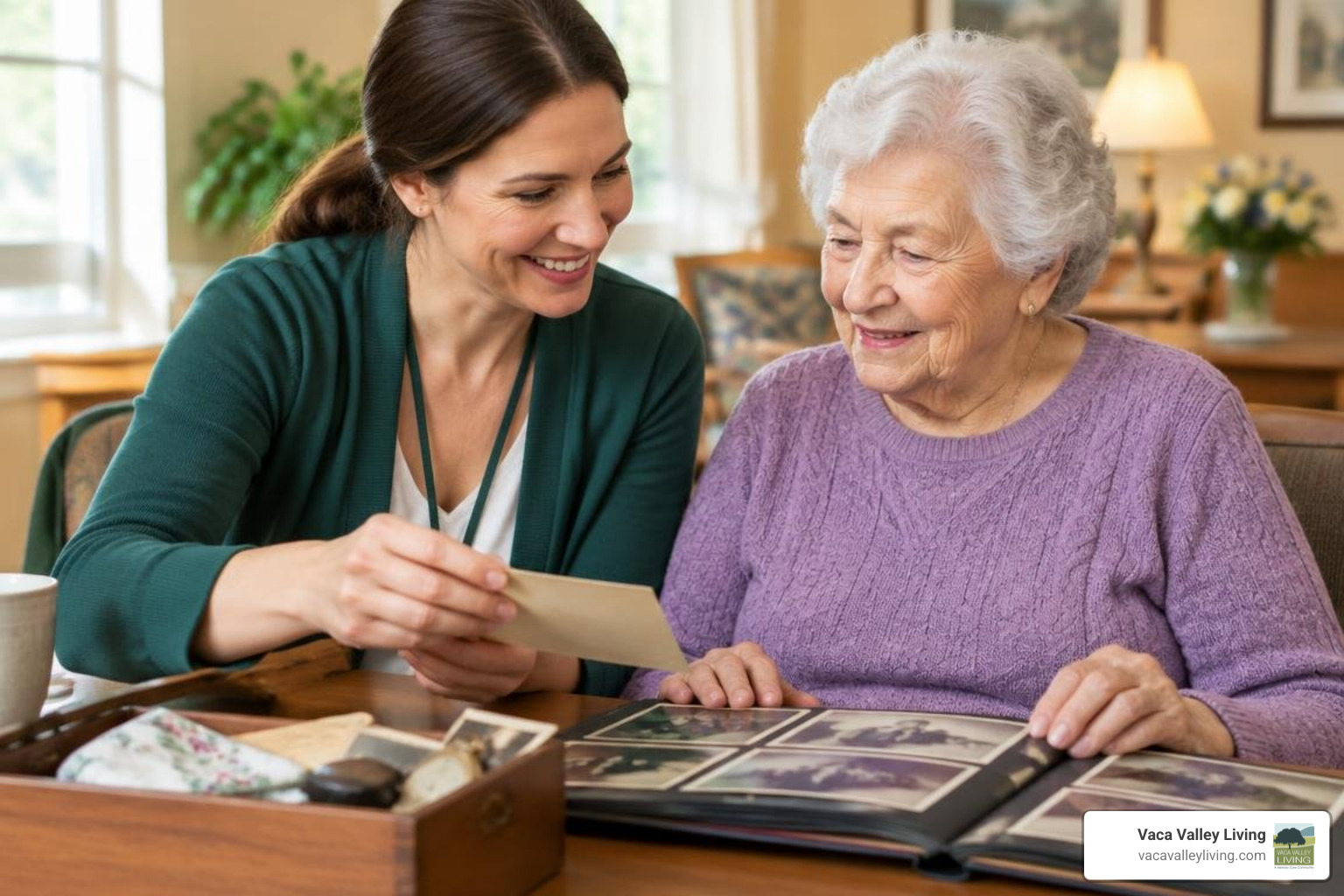
Creative arts and music tap into emotional memory and sensory recall, often reaching seniors when verbal communication becomes difficult. You do not need to be a concert pianist or professional artist to help with these sessions. A warm smile and a willingness to sit alongside a resident can be enough to make a difference.
Common creative volunteer activities include:
- Playing familiar acoustic tunes or managing playlists from past eras
- Distributing supplies for watercolor painting and sensory clay modeling
- Exploring tactile keepsakes and photographs stored in personal memory boxes
- Encouraging life story sharing through historical picture books
These sensory interactions spark recognition and joy, creating uplifting moments for everyone in the room.
Core Requirements and Training for Dementia Volunteers
Senior living communities maintain high safety and quality standards to protect vulnerable residents. Before beginning your service, you will complete an onboarding process designed to prepare you for meaningful interactions. This preparation helps you feel confident and ensures residents receive consistent, respectful support.
Key screening and orientation components typically include:
- Background Checks: Standard criminal history reviews and fingerprinting clearances to ensure resident safety.
- Health Screenings: Basic wellness checks, including TB testing or vaccination verifications where applicable.
- Communication Training: Guidance on dementia-friendly communication, such as speaking clearly, maintaining eye contact, and validating feelings rather than correcting memory lapses. Specialized community resources like caregiver training workshops provide excellent frameworks for understanding cognitive changes.
- Facility Orientation: Learning about community layouts, emergency procedures, and built-in memory care safety features.
- Confidentiality Guidelines: Understanding privacy rights to safeguard resident personal and health information.
Many programs also include supervised shadowing sessions so new volunteers can observe experienced companions before leading activities on their own. This gradual introduction builds comfort and reinforces the skills covered in orientation.
How to Choose the Right Volunteer Role for Your Schedule
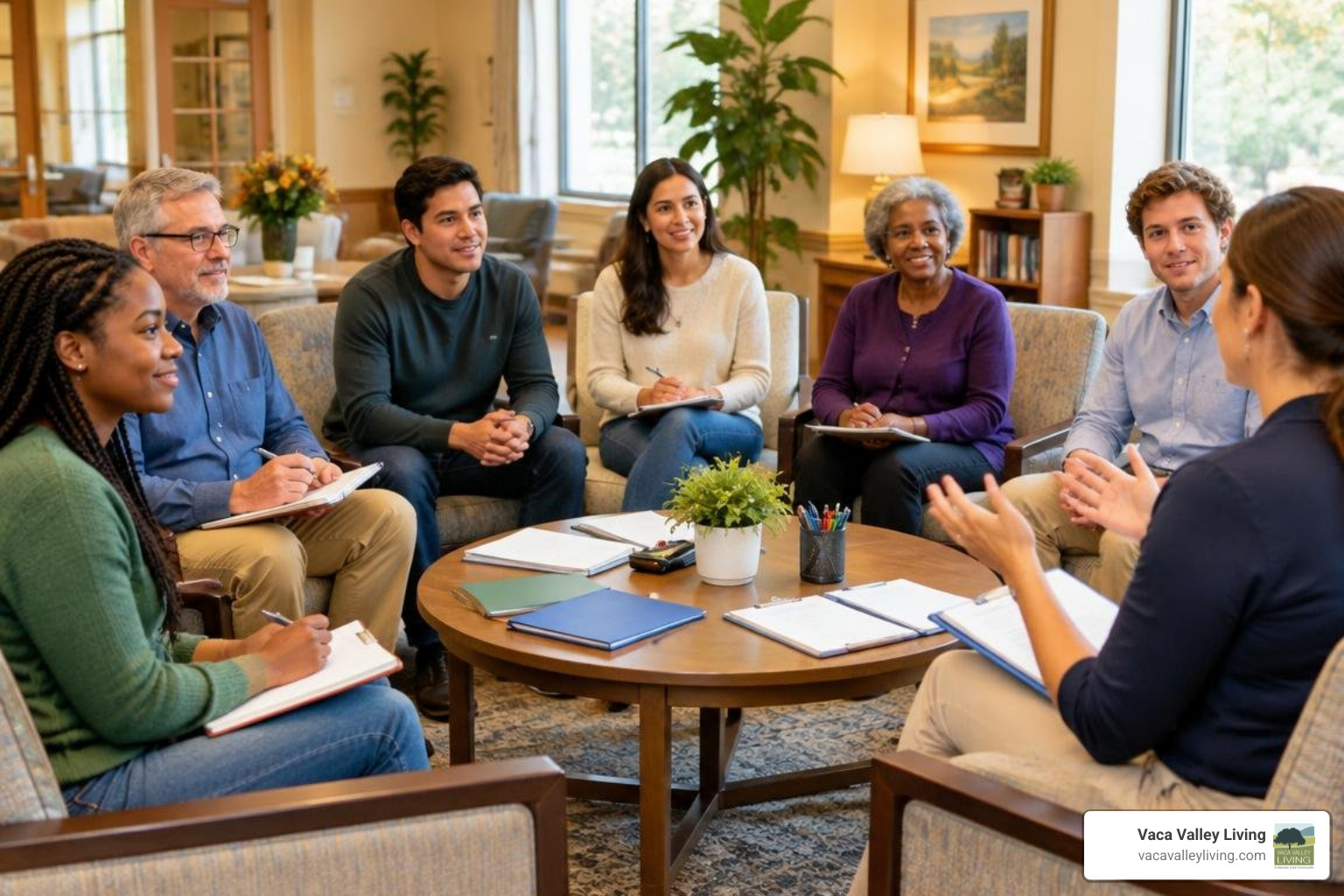
Finding the right role depends on your availability, interests, and energy levels. Some volunteers prefer dedicated morning blocks during peak engagement hours, while others choose weekend afternoons for relaxed companion visits. If your schedule changes from week to week, ask about flexible options that still allow residents to build familiarity with you over time.
Here is a quick overview of common volunteer opportunities in a modern dementia care community:
| Volunteer Role | Typical Time Commitment | Minimum Age | Primary Focus Areas |
|---|---|---|---|
| One-on-One Companion | 1–2 hours weekly (flexible) | 14+ (with consent) | Conversation, puzzles, quiet presence |
| Respite Day Assistant | 3–5 hour blocks (weekdays) | 18+ | Assisting group activities, lunch support |
| Music & Arts Helper | 1–2 hours per session | 16+ | Craft projects, sing-alongs, sensory games |
| Gardening & Nature Aide | 1–2 hours weekly | 14+ | Courtyard walks, plant care, patio visits |
When comparing roles, consider not only the time commitment but also the type of interaction that energizes you. A quiet companion visit may feel restorative for one volunteer, while a lively group session may be a better fit for another.
Frequently Asked Questions About Memory Care Volunteering
What is the minimum age required to volunteer in memory care?
Age criteria vary based on the specific role and organization. Many one-on-one companion and garden assistance roles welcome youth volunteers aged 14 and older with parental consent. Structured adult respite programs and hands-on group leadership roles typically require volunteers to be at least 18 years old. If you are under 18, ask the volunteer coordinator about youth-friendly opportunities and any required supervision.
Do volunteers need prior experience working with Alzheimer's disease?
No prior professional experience is required. What matters most is patience, warmth, active listening, and a willingness to learn. Senior living teams provide orientation and ongoing guidance so you feel comfortable and supported during every visit. Many volunteers start with no background in dementia care and quickly build confidence through staff-led training and shadowing.
What type of time commitment is typically expected?
Most programs ask for a regular commitment of 1 to 2 hours per week for companionship roles, or set daytime shifts (such as morning-to-early-afternoon blocks) for structured respite programs. Consistent scheduling helps residents recognize familiar faces and build trust. Some communities also offer substitute or on-call roles for volunteers who cannot commit to a fixed weekly time.
Conclusion
Volunteering in memory care creates genuine intergenerational bonds and delivers vital support to families navigating cognitive decline. Whether you spend an hour sharing music or assist with an afternoon art project, your presence makes an immediate, uplifting difference in daily life. The relationships you build can become a meaningful part of your own story as well.
At Vaca Valley Living, we bring more than 50 years of family-owned care experience to Vacaville, CA, creating a warm, individualized home for seniors living with Alzheimer's and dementia. If you are exploring options for a loved one or want to learn more about life inside our residential memory care community, contact the team today.