A Caregiver's Road Map to Navigating Local Alzheimer's Nursing Facilities
Understanding Care Levels: Memory Care vs. Skilled Nursing Facilities
When evaluating residential senior living for a loved one with progressive cognitive decline, understanding the distinction between specialized memory care and skilled nursing facilities is essential. Both models provide assistance with activities of daily living (ADLs)—such as bathing, dressing, grooming, and mobility—yet they operate under different clinical models, regulatory frameworks, and care philosophies.
Dedicated memory care communities focus on supportive, residential dementia care within secure, home-like environments. These communities are specifically structured around cognitive routines, therapeutic recreation, and non-pharmacological behavioral redirection. In contrast, skilled nursing facilities (often called nursing homes) are medical-first institutions designed to deliver continuous, physician-directed clinical oversight alongside daily personal care.
Many families wonder: is memory care considered skilled nursing? While some skilled nursing facilities house an on-site Alzheimer's Special Care Unit (SCU) to provide clinical support for individuals with advanced medical ailments, standalone memory care communities are distinct residential environments that offer supportive, dementia-specific living without the institutional feel of a hospital setting.
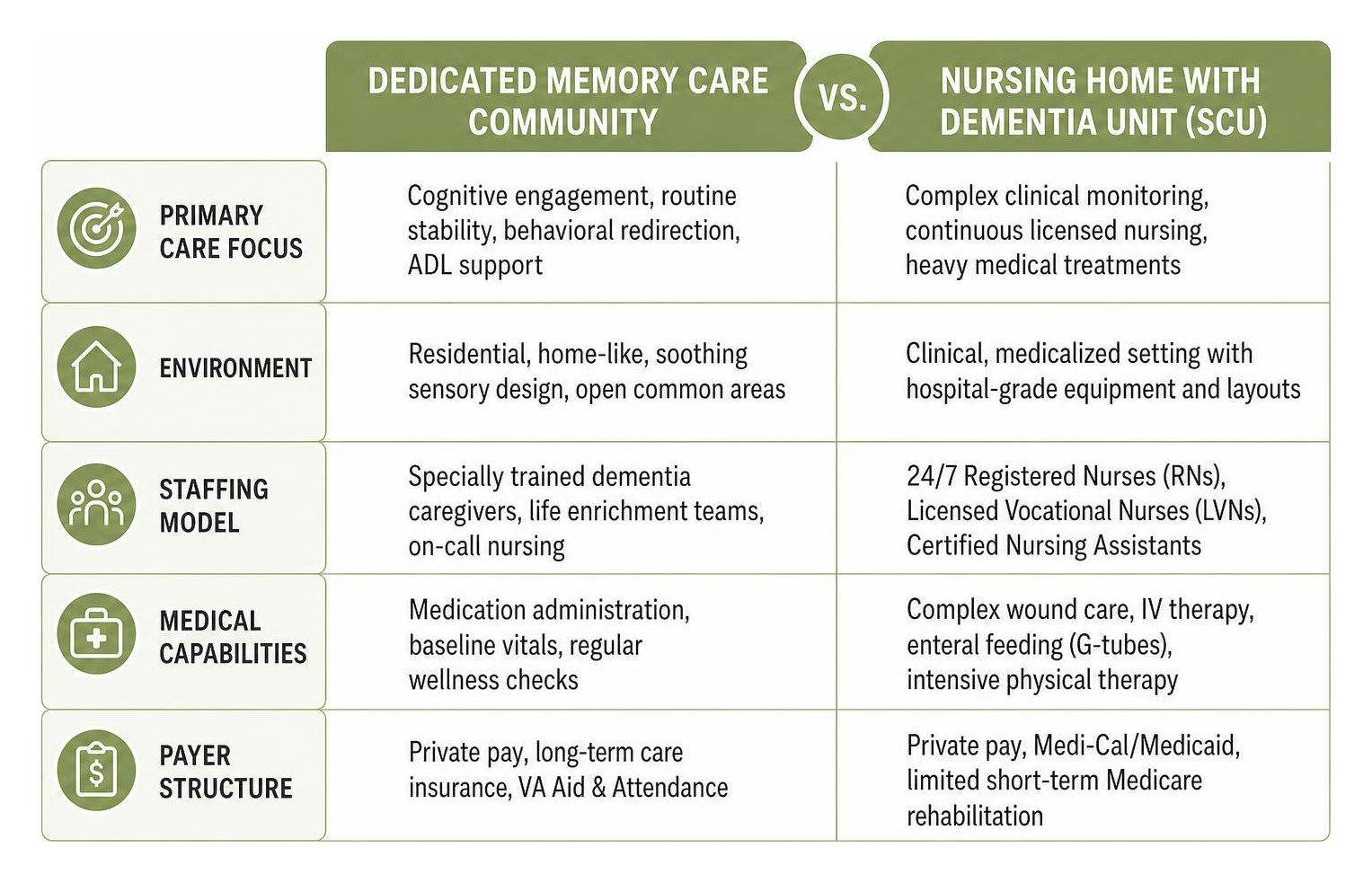
| Care Feature | Dedicated Memory Care Community | Nursing Home with Dementia Unit (SCU) |
|---|---|---|
| Primary Care Focus | Cognitive engagement, routine stability, behavioral redirection, ADL support | Complex clinical monitoring, continuous licensed nursing, heavy medical treatments |
| Environment | Residential, home-like, soothing sensory design, open common areas | Clinical, medicalized setting with hospital-grade equipment and layouts |
| Staffing Model | Specially trained dementia caregivers, life enrichment teams, on-call nursing | 24/7 Registered Nurses (RNs), Licensed Vocational Nurses (LVNs), Certified Nursing Assistants |
| Medical Capabilities | Medication administration, baseline vitals, regular wellness checks | Complex wound care, IV therapy, enteral feeding (G-tubes), intensive physical therapy |
| Payer Structure | Private pay, long-term care insurance, VA Aid & Attendance | Private pay, Medi-Cal/Medicaid, limited short-term Medicare rehabilitation |
Identifying When Skilled Medical Supervision Is Necessary
Determining the appropriate level of care depends primarily on your family member's clinical complexity rather than their degree of memory loss alone. An individual in the middle-to-late stages of Alzheimer's disease may thrive in a residential memory care environment if their medical status is relatively stable. However, if chronic health conditions escalate, a higher degree of clinical intervention becomes mandatory.
A transition into a skilled nursing dementia unit is typically indicated when an individual requires:
- Intensive, multi-stage wound care requiring daily sterile dressing changes by a licensed nurse.
- Continuous intravenous (IV) therapy, central line management, or routine injectable medications that exceed residential licensing allowances.
- Enteral nutrition support, such as feeding tubes (G-tubes), or advanced respiratory care including tracheostomy management.
- Complete, two-person transfer dependencies or severe contractures requiring complex mechanical lifts and specialized rehabilitation oversight.
To explore this transition in greater depth, review our comprehensive memory care skilled nursing guide.
Key Features of a Dedicated Dementia Special Care Unit
Dedicated dementia units—whether established as standalone communities or distinct wings within skilled nursing facilities—utilize specialized environmental and operational design principles to maintain resident dignity, lower anxiety, and eliminate safety risks.
A primary pillar of these environments is environmental security. Facilities integrate advanced safety hardware such as Wanderguard systems and MagLock doors. These systems allow residents the freedom to navigate indoor hallways and secure outdoor courtyards without the risk of unsupervised elopement. If a resident wearing an alert wristband approaches an exterior exit, the door remains securely locked or sounds a silent alert to the care team.
Beyond physical security, specialized units implement intentional sensory architecture:
- Color-Coded Wayfinding: Distinct wall hues and visual cues assist residents in independently identifying their bedrooms, dining rooms, and activity spaces.
- Low-Stimulus Architecture: Acoustic baffling, indirect natural lighting, and peaceful communal lounges prevent sensory overload, which is a leading trigger for agitation.
- Personalized Memory Shadowboxes: Placed right outside private suite entrances, these shadowboxes display family photographs, cherished mementos, and familiar keepsakes to foster recognition and comfort.
Ensuring your loved one is in a purpose-built secure memory care unit provides peace of mind while fostering personal independence within safe boundaries.
How to Evaluate Nursing Homes with Dementia Units Near Me
Selecting the right care setting across Northern California—from Vacaville, Fairfield, and Dixon to Napa, Davis, and Sacramento—requires structured due diligence. When researching regional resources like The Best Assisted Living Facilities in Suisun City, CA or comparing local memory care providers, relying solely on glossy marketing brochures or website photography is never enough. Families must review state inspection reports, verify direct-care staffing ratios, and observe the daily environment in person.
In California, residential care and skilled nursing facilities are regulated by state agencies that publish public survey reports. When evaluating facilities, request and review:
- The Annual Licensing Survey and Health Inspection Scores: Look for recurring deficiency citations related to medication management, staff training compliance, or resident neglect.
- Special Care Unit (SCU) Disclosure Forms: State regulations require facilities operating dementia units to disclose specific programming, staffing plans, and safety protocols in writing.
- Staffing Consistency Metrics: High staff turnover disrupts the predictability dementia residents rely on. Ask management about their caregiver retention rates and average direct-care hours per resident day.
What to Look for During an On-Site Tour of Nursing Homes with Dementia Units Near Me
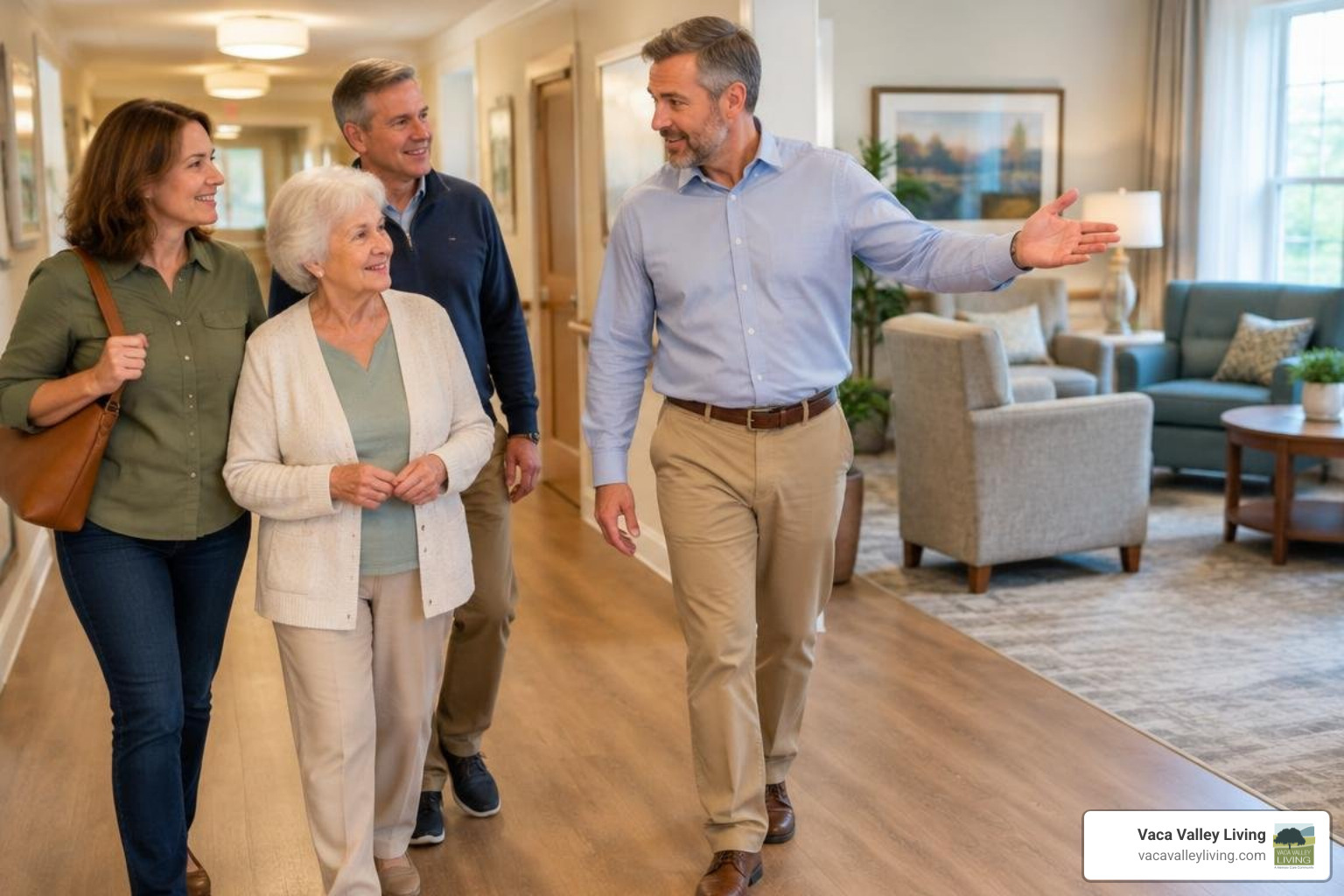
When touring potential memory care wings and skilled care centers, schedule your initial appointment, but also consider dropping by for a brief unannounced follow-up visit. Touring during dynamic periods—such as lunch service or mid-afternoon—provides an authentic window into daily operations.
Keep an eye out for these practical factors during your walkthrough:
- Cleanliness and Odor Control: A well-managed community smells clean and fresh without masking heavy chemical perfumes or lingering urine odors.
- Staff-to-Resident Interactions: Observe whether caregivers make calm, eye-level contact and speak patiently, or if they appear rushed and task-focused.
- Mealtime Environment: Check if dining rooms are chaotic or calm. Are adaptive dining utensils provided for residents with fine-motor decline? Are balanced, appetizing meals served at flexible times?
- Environmental Navigation and Safety: Hallways should be well-lit, completely free of clutter or trip hazards, and equipped with sturdy handrails.
Touring reputable alzheimers care facilities will help you establish a clear quality baseline so you can make an informed choice for your family.
Specialized Programming and Behavioral Support Services
Effective dementia care goes far beyond basic custodial supervision; it requires evidence-based therapeutic engagement designed around the unique neuropathology of memory loss.
Quality care environments integrate specialized routines to ease common symptoms such as sundowning—a phenomenon characterized by heightened confusion, restlessness, and anxiety in the late afternoon and early evening. Facilities address sundowning by adjusting interior lighting, offering soothing herbal teas, and engaging residents in relaxing sensory activities before dinner.
Key therapeutic components should include:
- Sensory and Music Therapy: Familiar melodies from a resident's youth activate deeply preserved neural pathways, stimulating speech and uplifting mood.
- Cognitive and Brain-Fitness Activities: Structured word games, tactile sorting stations, and reminiscence discussions sustain cognitive faculties without causing frustration.
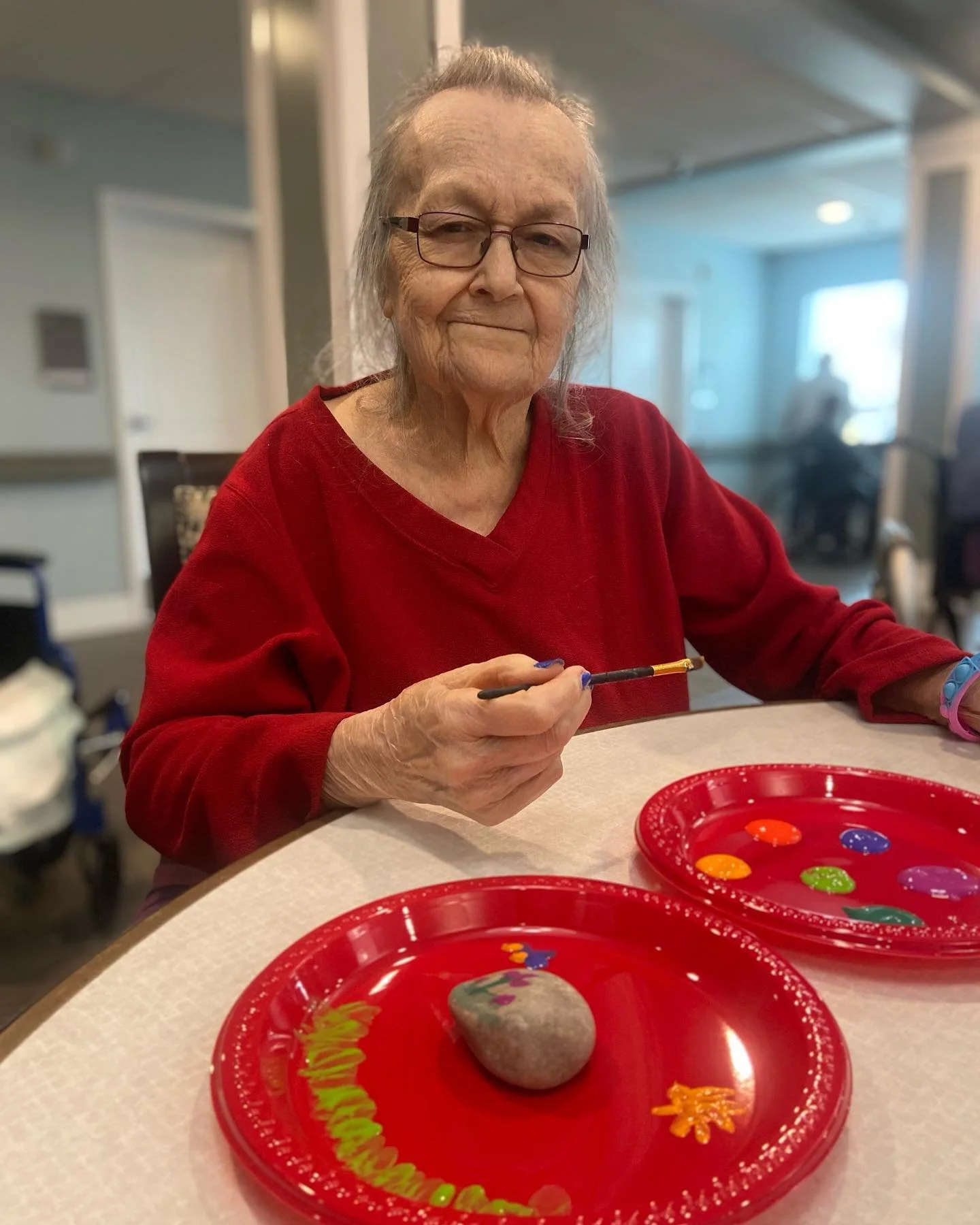
- Life-Skill and Tactile Stations: Familiar tasks like folding linens, sorting buttons, or tending to indoor plants offer residents a comforting sense of purpose.
Comprehensive dementia support services reinforce your loved one's identity and daily fulfillment throughout their journey.
Signs It Is Time to Transition to a Dementia Care Facility
Caring for a spouse or parent with Alzheimer's disease at home is a profound act of devotion, but dementia is a progressive, neurodegenerative condition. As cognitive and functional decline deepens, the care requirements often exceed what a family can safely manage at home. Recognizing when home is no longer the safest option is critical for both the individual and the caregiver.
Key warning signs indicating a need for a dedicated residential care setting include:
- Escalating Safety Risks and Elopement: The individual wanders away, becomes disoriented in familiar surroundings, or attempts to leave home unsupervised at night.
- Frequent Medication Mishaps: Forgetting doses, taking double doses, or refusing necessary medications for chronic conditions.
- Nutritional and Physical Decline: Unintentional weight loss, spoiled food left in the refrigerator, dehydration, or an unsteadiness that leads to frequent falls.
- Intense Behavioral Changes: Emerging paranoia, severe agitation, catastrophic reactions, or physical resistance during basic personal hygiene routines.
Transitioning to a specialized dementia care community restores structured daily safety and provides access to professionally trained caregivers around the clock.
Recognizing Caregiver Stress and Physical Health Risks
Caregivers frequently compromise their own well-being while supporting a loved one with dementia. Chronic sleep deprivation, physical strain from transfers, and constant vigilance lead to severe burnout, depression, and compromised immune health.
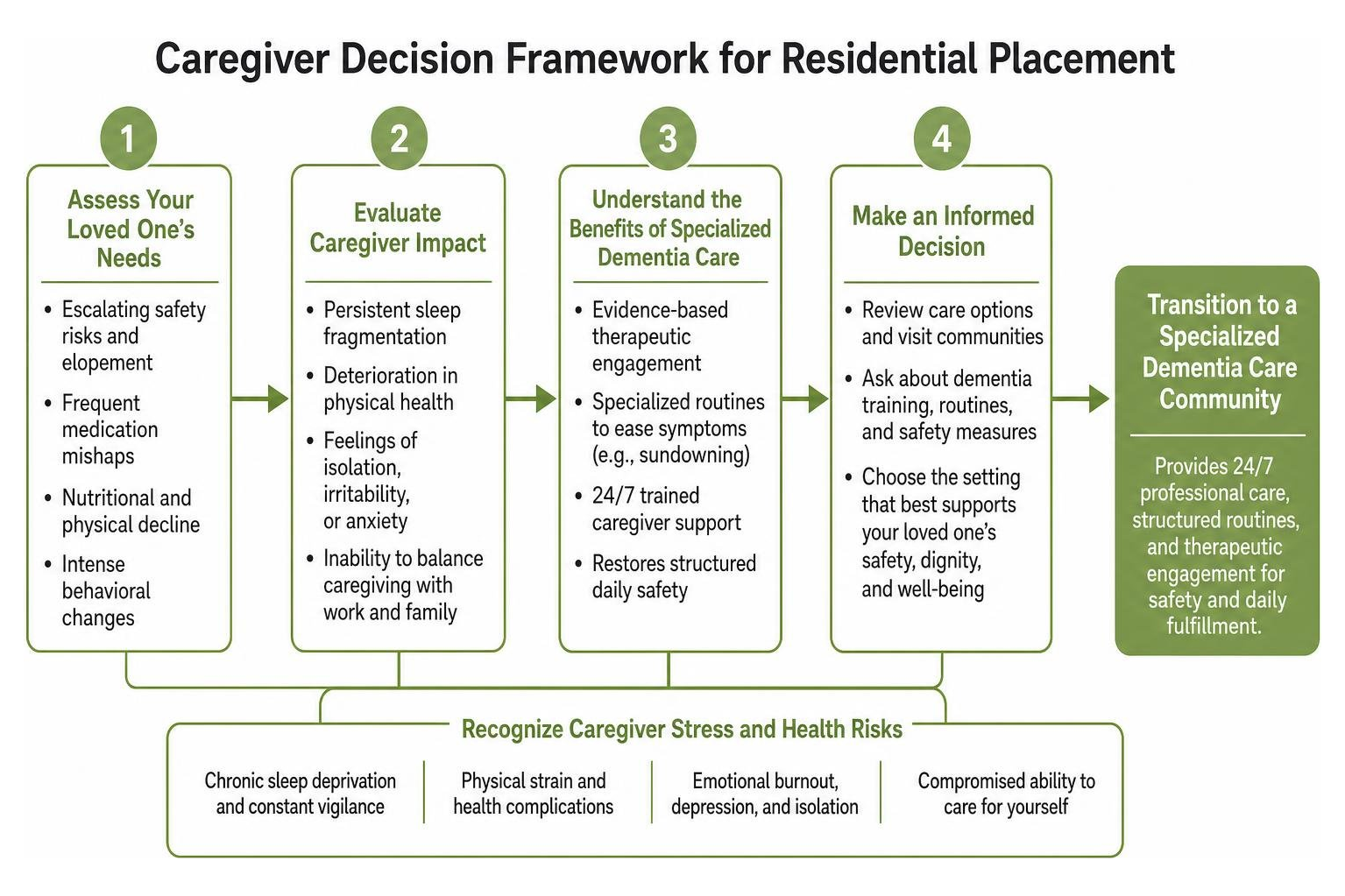
It is time to consider residential memory placement if you experience:
- Persistent sleep fragmentation caused by nighttime wandering or sundowning behaviors.
- Deterioration in your own physical health, such as back injuries from lifting or chronic stress-related illnesses.
- Feelings of profound isolation, irritability, anxiety, or emotional detachment.
- An inability to balance caregiving duties with your own employment and family responsibilities.
Acknowledging that you need support is not a failure; moving your loved one to a dedicated memory care setting allows you to return to your primary role as a loving son, daughter, or spouse.
Navigating Costs, Medicare, and Financing Options for Memory Care
Understanding the financial landscape of dementia care is vital for sustainable long-term planning. Care fees vary significantly based on whether a resident lives in a residential memory care community or a skilled nursing facility, as well as the geographical market across California.
Nationally, residential memory care averages approximately $6,450 per month, while skilled nursing facilities average $9,277 per month for a semi-private room and $10,646 per month for a private room. In California metropolitan areas—including Sacramento, Solano, Napa, and Contra Costa counties—monthly rates typically trend higher due to comprehensive state staffing mandates and localized operational costs.
Long-term memory care is primarily funded through:
- Private Funds: Personal savings, retirement distributions, and proceeds from the sale of a family home.
- Long-Term Care Insurance: Policies that include residential care coverage will reimburse a pre-determined daily or monthly benefit once a physician certifies cognitive impairment and the need for ADL support.
- Veterans Aid & Attendance: Eligible wartime veterans and surviving spouses can receive supplemental monthly pension benefits to help cover memory care expenses.
- Medi-Cal (California Medicaid): While residential memory care is predominantly private pay, Medi-Cal may cover long-term skilled nursing stays if an individual meets strict clinical criteria and financial asset thresholds.
When medical rehabilitation or specialized coverage is required, families often research nursing homes that accept Medicare near me to determine which short-term clinical benefits apply. For families exploring specialized, private-pay residential memory support in Solano County, our dedicated team at vacaville ca memory care can walk you through tailored care plans and transparent local cost options.
Comparing Costs Between Nursing Homes with Dementia Units Near Me and Dedicated Memory Care
When evaluating care budgets, it is helpful to look at how different facility types calculate their monthly pricing structures:
- Residential Memory Care (All-Inclusive or Tiered Models): Communities typically charge a base monthly rate covering accommodation, dining, housekeeping, and life enrichment, paired with tiered care fees based on the specific ADL assistance required.
- Skilled Nursing SCU Daily Rates: Nursing homes generally charge a comprehensive per-diem (daily) rate that bundles 24/7 skilled nursing, room and board, medical supplies, and personal care.
Reviewing your family's financial resources with an elder law attorney or a financial planner specializing in senior living ensures you preserve assets while securing dependable, continuous care.
Frequently Asked Questions About Local Dementia Nursing Units
Does Medicare cover long-term stays in a nursing home dementia unit?
No. Medicare does not pay for long-term custodial care or permanent residency in a memory care unit or nursing home. Medicare Part A only covers up to 100 days of skilled nursing or rehabilitation services following a qualifying three-consecutive-day inpatient hospital stay. Once clinical goals are reached or daily skilled therapy concludes, all ongoing custodial room-and-board costs become the responsibility of private pay, long-term care insurance, or Medicaid (Medi-Cal).
How do security systems prevent wandering in memory care units?
Dementia care units use discrete, multi-layered security technologies to protect residents from wandering while preserving their independence. These systems include delayed-egress doors that require a security keypad code, Wanderguard radio-frequency tracking wristbands, and secure perimeter fencing around sensory gardens and walking courtyards. Staff receive immediate, quiet alerts if an exit door is accessed, allowing them to gently redirect residents without causing alarm.
What is the average staff-to-resident ratio in a specialized dementia unit?
Staffing ratios vary depending on state regulations and the specific licensing model. In dedicated residential memory care settings, caregiver-to-resident ratios typically range between 1:6 and 1:8 during waking hours, with specialized activity coordinators leading group engagements. In skilled nursing dementia units, state regulations mandate specific direct-nursing hours per resident day (often between 3.5 and 4.5 direct nursing hours), distributed across Registered Nurses, Licensed Vocational Nurses, and Certified Nursing Assistants.
Conclusion
Finding the right dementia care setting for a loved one is one of the most important decisions your family will make. Whether your family member requires the intensive clinical oversight of a skilled nursing dementia unit or the warm, purposeful environment of a specialized residential memory care neighborhood, early planning and thorough in-person evaluations will help you choose with confidence.
At Vaca Valley Living, we are proud to be a family-owned community bringing over 50 years of dedicated senior care experience to Vacaville and our surrounding Northern California neighbors. We provide specialized, 24-hour residential memory care featuring personalized care plans, full-service amenities—including an on-site salon and scheduled transportation—and a compassionate, home-like environment where residents are treated like family. Reach out to our compassionate team today to tour our community, ask questions, and discover how we can support your family's caregiving journey.