Understanding Senior Care in Vacaville from Home Care to Assisted Living
Finding the Right Senior Care in Vacaville, CA
Senior care in Vacaville, CA includes in-home help, assisted living, residential care, and specialized memory care. The right choice depends on how much daily support your parent needs, whether memory loss affects safety, and how important 24-hour supervision is for your family.
For an older adult with Alzheimer's or another form of dementia, look beyond general help with meals and housekeeping. Ask whether a community offers trained, reliable staff around the clock, personalized assistance, structured daily routines, and a setting designed to support safety and dignity. The Alzheimer's Association offers family guidance on evaluating dementia-capable care.
Vacaville families can begin by comparing these options:
- In-home care: Support with personal care, meals, companionship, and household tasks while a senior remains at home.
- Assisted living: Housing and help with daily activities, often suited to seniors who need regular support but not specialized dementia services.
- Memory care: Residential support for people with Alzheimer's or dementia, with closer supervision, individualized care, and routines built around cognitive needs.
At Vaca Valley Living, seniors with age-related cognitive impairment receive residential memory care, including 24-hour staffing, personal assistance, housekeeping, laundry, activities, and transportation to appointments. As a family-owned community with more than 50 years of senior-care experience, it serves families throughout Vacaville and Solano County.
This guide explains what to compare, what questions to ask on a tour, and how to make a confident care decision close to home.
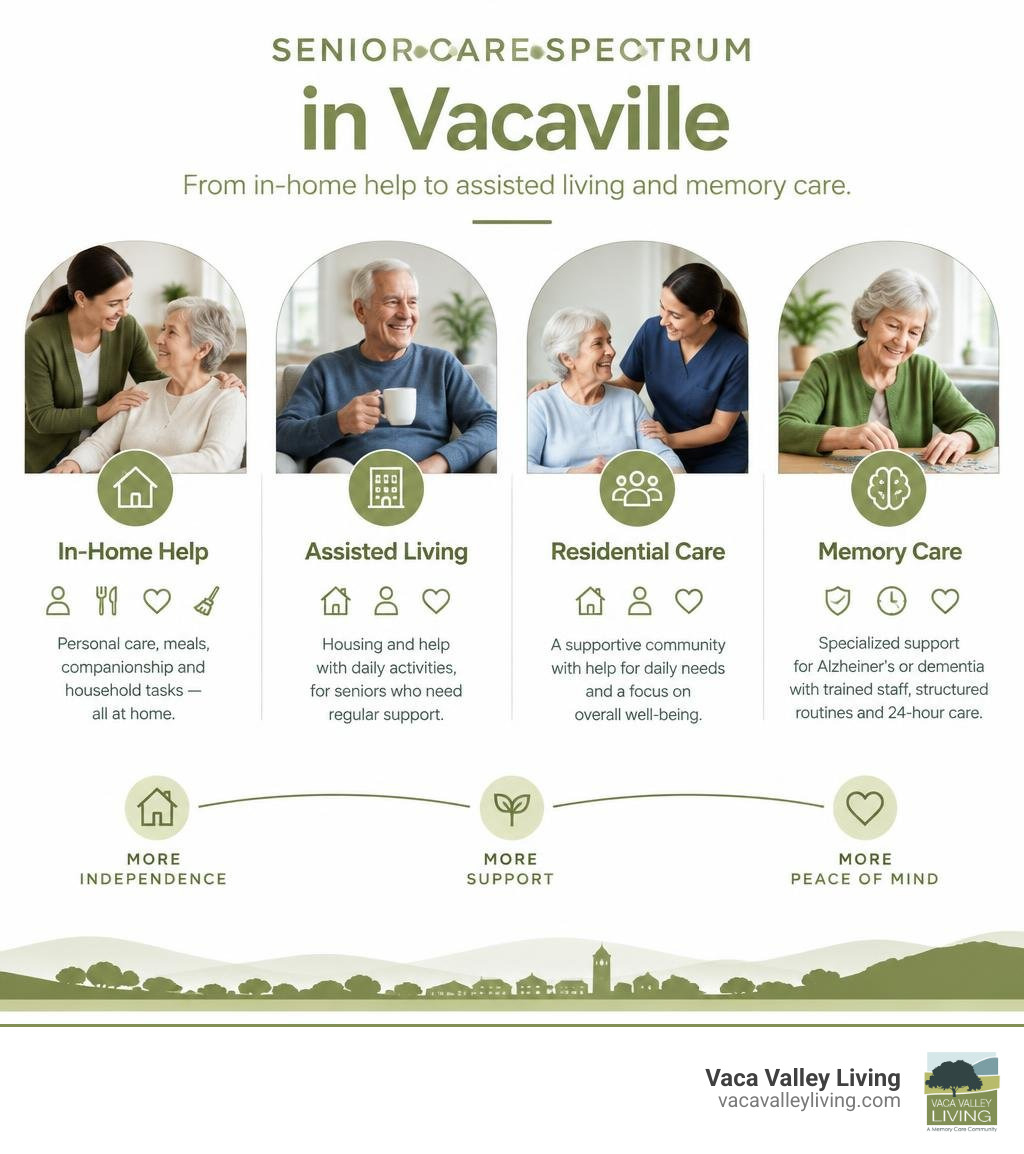
Spectrum of Senior Care in Vacaville CA: From Home Care to Assisted Living
Understanding the broad spectrum of care in Solano County helps eliminate guesswork when your family faces changing physical or cognitive needs. Care options range from minimal check-ins to comprehensive, round-the-clock clinical and personal oversight.
Deciding which environment fits best involves evaluating activities of daily living (ADLs), medication routines, and physical mobility.
In-Home Care and Independent Living Options
For older adults who wish to age in place, in-home care offers non-medical assistance like meal preparation, companionship, light housekeeping, and personal hygiene. This model works well during the early stages of aging when a senior remains mostly independent but needs a helping hand to maintain safety at home.
Independent living settings, including broad senior retirement communities, cater to seniors who want a maintenance-free lifestyle without daily physical hands-on support. These environments provide private accommodations, social clubs, wellness programs, and communal dining. However, when physical limitations or cognitive changes escalate, independent living or part-time home visits can leave critical safety gaps.
Assisted Living vs Specialized Residential Care
When daily tasks such as dressing, bathing, and managing medications become overwhelming, residential senior living becomes the safer choice. Standard assisted living environments bridge this gap by offering private or semi-private suites paired with professional care staff who assist with ADLs, coordinate chef-prepared dining, and run engaging social calendars.
Specialized residential care, specifically designed for memory loss, takes safety and physical support a step further. While assisted living provides personal freedom with scheduled help, specialized residential memory care features secured perimeters, structured behavioral cueing, and specialized cognitive programming tailored to individuals living with Alzheimer's and related dementias.
| Care Level | Primary Setting | Daily Assistance Provided | Memory Support Level | Best Suited For |
|---|---|---|---|---|
| In-Home Care | Private residence | Hourly or shift-based personal care and chore help | Minimal to moderate; depends on hired caregiver skill | Seniors who wish to age in place with low-to-moderate needs |
| Assisted Living | Residential community | Scheduled help with ADLs, meals, housekeeping, medication management | Basic cognitive support; no secure wandering protocols | Seniors needing physical assistance while remaining cognitively independent |
| Memory Care | Specialized secure community | 24/7 hands-on personal care, dining assistance, behavioral cueing | Advanced; secured perimeters, sensory therapy, cognitive enrichment | Seniors with Alzheimer’s, dementia, or advanced cognitive impairment |
Specialized Memory Support and Daily Programming
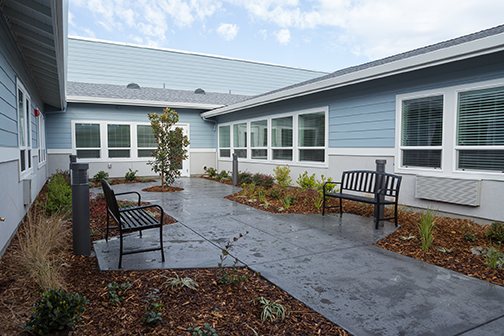
Caring for someone experiencing progressive memory loss requires an intentional environment that balances physical safety with personal dignity. Residential memory care focuses on routine, gentle structure, and sensory engagement to minimize confusion, anxiety, and the risk of wandering.
Evaluating Senior Care in Vacaville CA for Memory Support
When researching local memory care options, families should investigate how a community addresses the distinct behaviors of cognitive decline. A well-designed dementia care community creates an easy-to-navigate floor plan, eliminating confusing corridors and dead ends while keeping entry and exit points safely secured.
Quality Alzheimers care facilities integrate continuous sensory stimulation and cognitive wellness exercises. These daily routines keep neural pathways active through art, music, reminiscent storytelling, and gentle physical movement. Communities should embrace the philosophy that a dementia diagnosis does not mean closing the book on an active life; rather, it marks an opportunity to write an engaging next chapter filled with meaningful connections.
Essential Amenities, Safety, and Life Enrichment
The right residential community provides life-enriching amenities that feel like home rather than an institution. Daily living is elevated through practical conveniences, such as full-service laundry, continuous housekeeping, and an on-site beauty salon and barber shop where residents enjoy pampering and grooming.
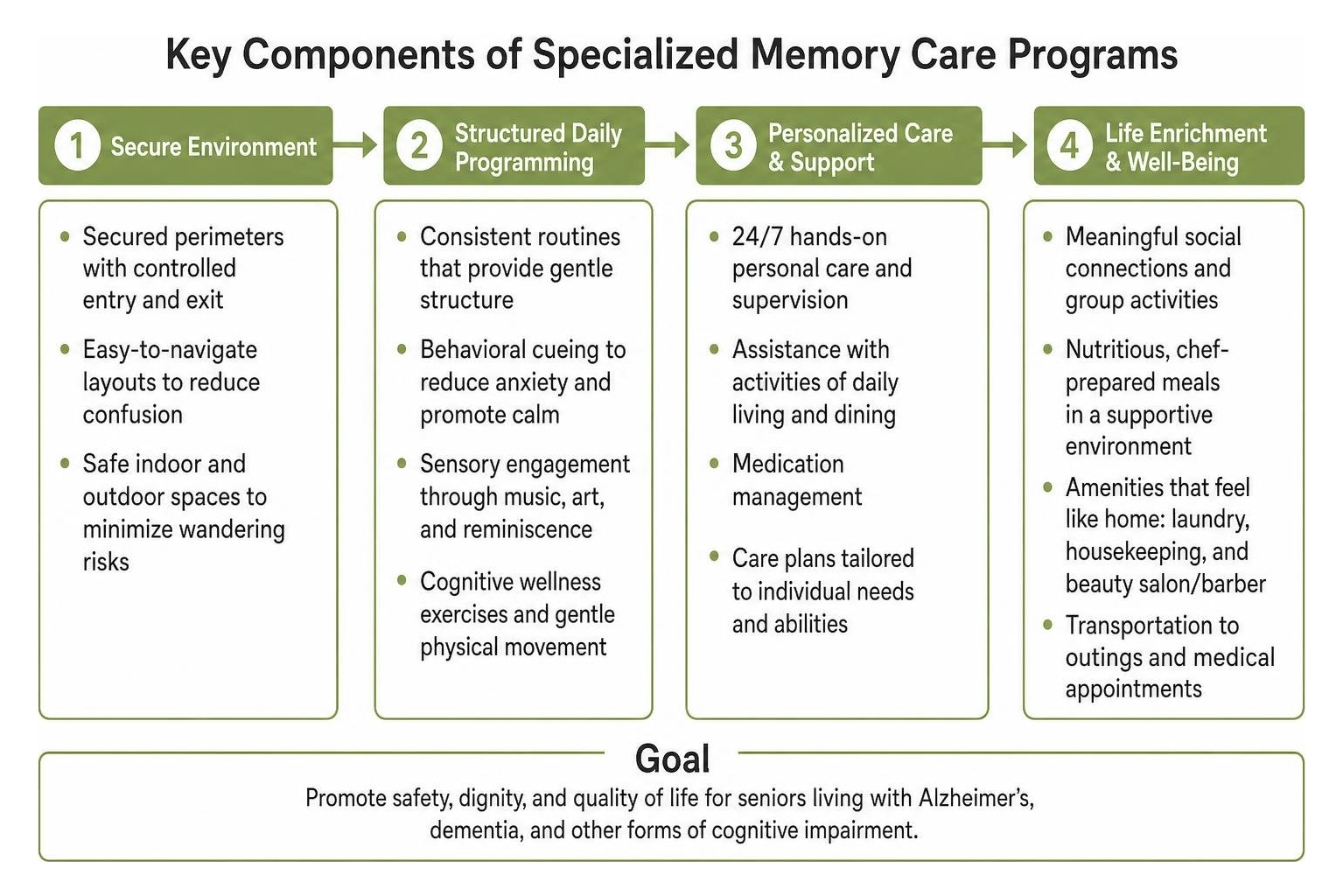
At Vaca Valley Living, we design personalized care plans for seniors that adapt seamlessly as health needs evolve. Our community incorporates vibrant community amenities alongside structured dining, scheduled social outings, and dedicated transportation to medical appointments throughout Solano County, Dixon, Davis, Fairfield, and neighboring areas.
Financial Planning and Quality Assessment for Local Families
Navigating the costs of residential senior care requires transparency and proactive planning. Families in Vacaville benefit from understanding what standard fees include versus which services require supplemental care tiering.
How Much Does Senior Care in Vacaville CA Cost?
Senior living pricing in Solano County varies based on the level of physical care, apartment style, and cognitive support required. While basic assisted living generally operates on a monthly base rent plus care tiers, memory care often uses an inclusive model to ensure consistent 24-hour staffing and safety oversight.
To plan your budget effectively, consult an affordable retirement communities guide for 2026 and consider these funding solutions:
- Private Pay and Asset Utilization: Utilizing personal savings, retirement pensions, and proceeds from selling a family home.
- Veterans Aid and Attendance: A valuable monthly pension benefit through the VA that helps wartime veterans and surviving spouses pay for assisted living or memory care.
- Long-Term Care Insurance: Specific insurance policies that reimburse the cost of daily personal care and residential supervision once ADL criteria are met.
- Tax Deductibility: In many instances, the medical-care portion of residential memory care fees is tax-deductible as an allowable medical expense.
Assessing Caregiver Staffing and Community Standards
Cost should always be balanced against care quality. During community visits, observe staff interactions closely. Are caregivers warm, patient, and responsive? A high-quality setting relies on an experienced assisted living caregiver team that receives ongoing dementia-specific training covering de-escalation techniques, redirecting strategies, and compassionate communication.
Confirm that the community maintains round-the-clock staffing and meets state licensing regulations. Locally owned and operated communities often deliver a distinct advantage here, offering hands-on management, deep community roots, and prompt decision-making that keeps resident well-being front and center.
Navigating the Transition to Residential Care

Transitioning a loved one into residential care is a significant emotional milestone. Approaching the move with clear milestones and empathetic communication simplifies the process for both the senior and their family.
Steps for a Seamless Move-In Experience
Preparation prevents overwhelm. Follow these practical steps to ensure a smooth transition:
- Personalize the Suite: Furnish the room with familiar items, such as a favorite armchair, cherished family photo albums, personal quilts, and familiar artwork to make the space immediately feel secure.
- Coordinate Health Records: Complete all physician assessments, care intake questionnaires, and medication administration orders before move-in day.
- Establish a Calm Move-In Day: Arrive during morning activity hours or lunchtime so your loved one can immediately join the community routine without feeling disoriented.
- Partner with the Care Team: When you are ready to explore your options, contact local care specialists to coordinate medical details and dietary needs well in advance.
Sustaining Family Involvement and Open Communication
Relocating to senior living expands your support network; it does not replace family connection. We encourage open communication channels, allowing family members to call or check in day or night to speak with staff members who know their loved one personally.
Participating in regular care conferences, attending community events, and maintaining consistent visiting routines help seniors settle in smoothly while giving families ongoing peace of mind.
Frequently Asked Questions About Senior Living in Solano County
What distinguishes memory care from standard assisted living?
Memory care provides secured building perimeters, higher caregiver-to-resident ratios, and staff specially educated in dementia and Alzheimer's care. Activities and physical spaces are specifically tailored to reduce agitation, support cognitive function, and prevent wandering.
Are there financial assistance options for residential care in California?
While standard Medicare does not cover room and board in assisted living or memory care, options like the Veterans Aid and Attendance benefit, long-term care insurance policies, life insurance conversions, and bridge loans can help offset residential care costs.
How do local communities handle resident medical appointments?
Dedicated communities arrange scheduled transportation services to local healthcare clinics, doctors' offices, and therapy centers throughout Vacaville and nearby Solano County cities, coordinating logistics directly with family members.
Conclusion
Choosing the right care community is one of the most loving and impactful decisions you will make for an aging family member. At Vaca Valley Living, we bring more than 50 years of senior care experience to provide attentive, family-owned residential memory support. Centrally located in Solano County and serving Vacaville, Dixon, Davis, Fairfield, Sacramento, Napa, and the Bay Area, our community offers the warmth, dignity, and specialized safety your loved one deserves.
Discover how our family can support yours by visiting our compassionate Vacaville senior memory care community today.