Memory Care or Skilled Nursing Home Care Decided
Choosing Between Memory Care and Skilled Nursing
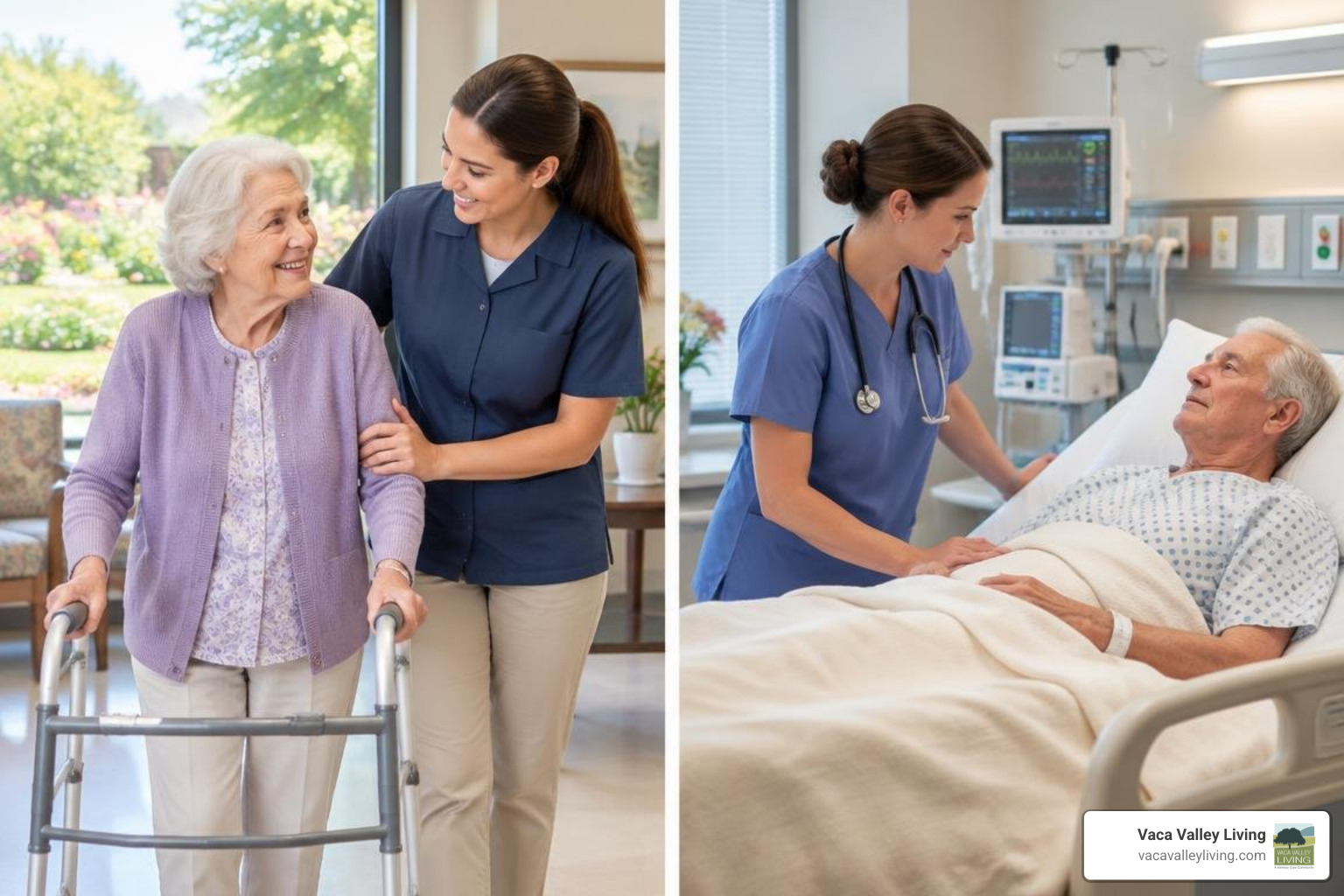
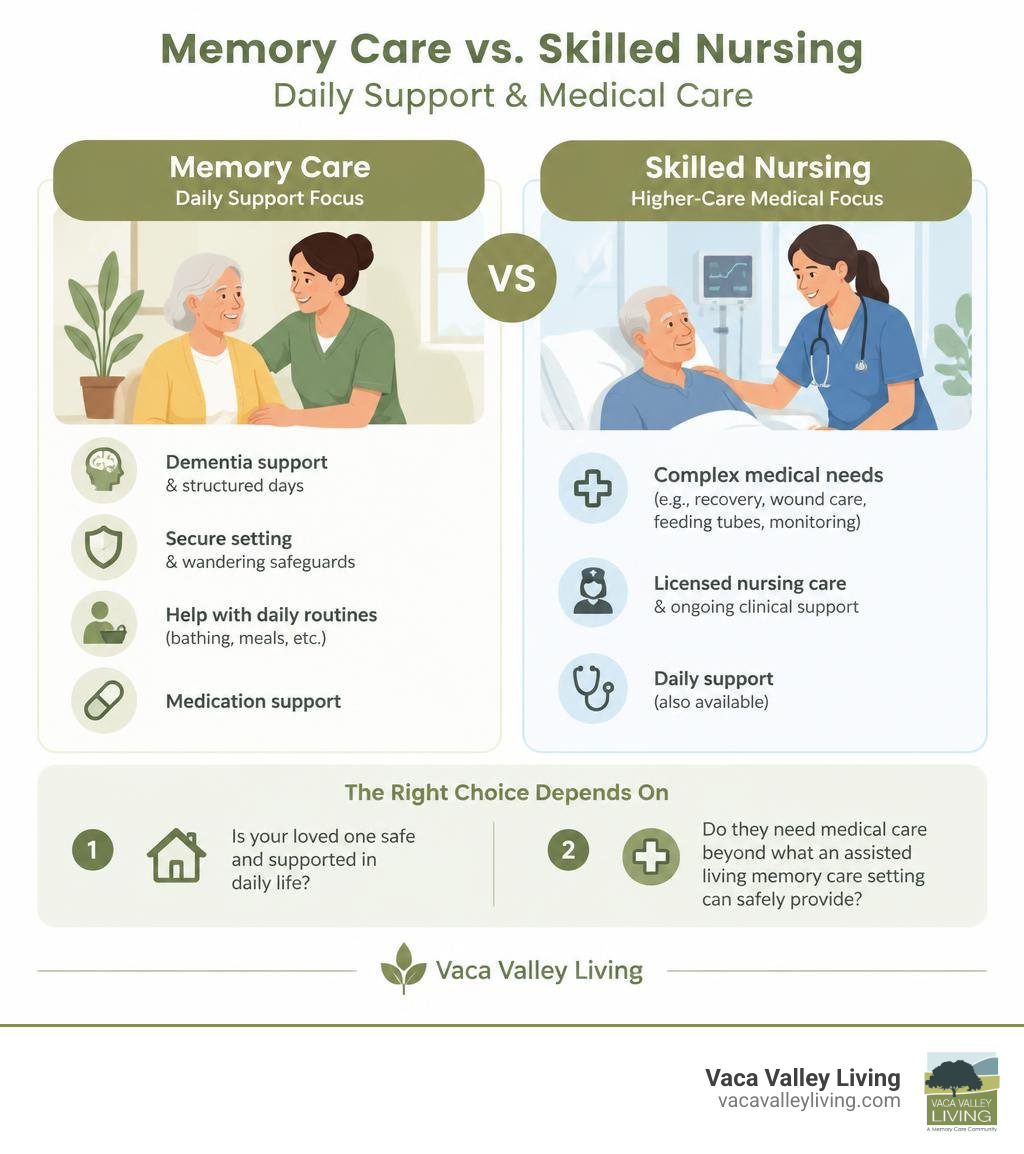
Memory care is usually the better fit when a parent needs daily dementia support, a secure setting, and help with routines. Skilled nursing is the higher-care option when dementia is combined with serious medical needs that require ongoing licensed nursing care.
A memory care community can provide structured days, help with bathing and meals, medication support, and safeguards for wandering. A skilled nursing facility can provide those supports too, but it is designed for more complex needs, such as recovery after a stroke, wound care, feeding tubes, or frequent medical monitoring.
The right choice depends on two questions:
- Is your loved one safe and supported in daily life?
- Do they need medical care beyond what an assisted living memory care setting can safely provide?
For many families, the decision comes after falls, wandering, missed medications, rising caregiver stress, or a health change that makes home care no longer safe. Understanding the difference can help you choose a setting that protects your parent's dignity while giving your family greater peace of mind.
Understanding Memory Care Skilled Nursing vs. Assisted Living Memory Care
Navigating the senior living landscape can feel like trying to solve a puzzle where the pieces keep shifting shapes. When a family member experiences progressive cognitive impairment alongside evolving physical health conditions, finding the right care setting is vital. While both residential memory care and skilled nursing environments serve individuals with Alzheimer’s disease and other forms of dementia, their care philosophies, regulatory oversight, and daily clinical capabilities differ significantly.
Residential memory care operates primarily within a social and supportive framework, while a skilled nursing setting delivers an intensive, medically focused model of long-term care.
| Feature / Care Aspect | Assisted Living Memory Care | Skilled Nursing Memory Care Unit |
|---|---|---|
| Primary Focus | Cognitive engagement, routine, ADL support | Complex clinical interventions, intensive medical oversight |
| Nursing Presence | Licensed nurses on-site/on-call daily, 24/7 care aides | 24/7 on-duty Registered Nurses (RNs) and LVNs |
| Medical Complexity | Stable chronic conditions, oral medication management | IV therapy, ventilator support, feeding tubes, stage 3/4 wounds |
| Living Environment | Residential, home-like, private or semi-private suites | Clinical setting, hospital-like, semi-private/private rooms |
| Primary Goal | Preserving autonomy, dignity, social connection | Managing unstable disease states, intensive physical recovery |
Defining Dedicated Memory Care Units
Dedicated memory care units located within residential or assisted living environments are thoughtfully constructed for seniors who require structured days and specialized cueing, but whose physical health remains relatively stable.
In a specialized dementia care community, life revolves around a social model of wellness. Daily schedules are intentionally designed to reduce cognitive fatigue, promote calm, and foster connection. Activities are not just pastimes; they are life-enrichment interventions that stimulate sensory pathways, tap into long-term memories, and build confidence.
Residents receive hands-on assistance with activities of daily living (ADLs)—including bathing, dressing, grooming, and dining—within a neighborhood that feels like home rather than a hospital. By bridging the gap between independent senior housing and traditional medical wards, an assisted living memory environment emphasizes resident freedom within safe, well-defined boundaries.
Clinical Scope in a Memory Care Skilled Nursing Unit
When dementia is accompanied by severe medical conditions or progressive physical decline, an individual may require the intensive medical scope of a memory care skilled nursing unit. These clinical wings operate under a medical model governed by strict clinical mandates, offering around-the-clock coverage from Registered Nurses (RNs) and licensed vocational nurses.
In this environment, clinical staff manage complex medical treatments that go well beyond routine personal assistance:
- Extensive Wound Care: Daily debridement, negative pressure wound therapy, and stage 3 or 4 pressure ulcer management.
- Complex Enteral Nutrition: Total parenteral nutrition (TPN) and percutaneous endoscopic gastrostomy (PEG) feeding tube maintenance.
- Intravenous (IV) Therapy: Continuous or intermittent administration of IV antibiotics, fluids, or pain management regimens.
- Post-Acute Rehabilitation: High-intensity physical, occupational, and speech therapy for seniors recovering from strokes, fractures, or acute hospital stays.
- Respiratory Management: Tracheostomy care, continuous oxygen titration, and suctioning protocols.
To ensure safety across both cognitive and physical domains, clinicians build comprehensive personalized care plans for seniors that adapt as their health requirements change.
Key Differences in Staffing, Security, and Behavioral Dementia Care
Dementia impacts more than just short-term memory—it alters sensory perception, spatial reasoning, and emotional regulation. Because of this, staffing ratios, specialized employee education, and architectural safeguards play a massive role in day-to-day safety and quality of life.
Staff Training and Behavioral Management Approaches
Living with dementia can be disorienting, often manifesting in behavioral symptoms such as agitation, exit-seeking, repetitive questioning, or aggression. In high-caliber settings, care teams rely on person-centered strategies rather than chemical or physical restraints.
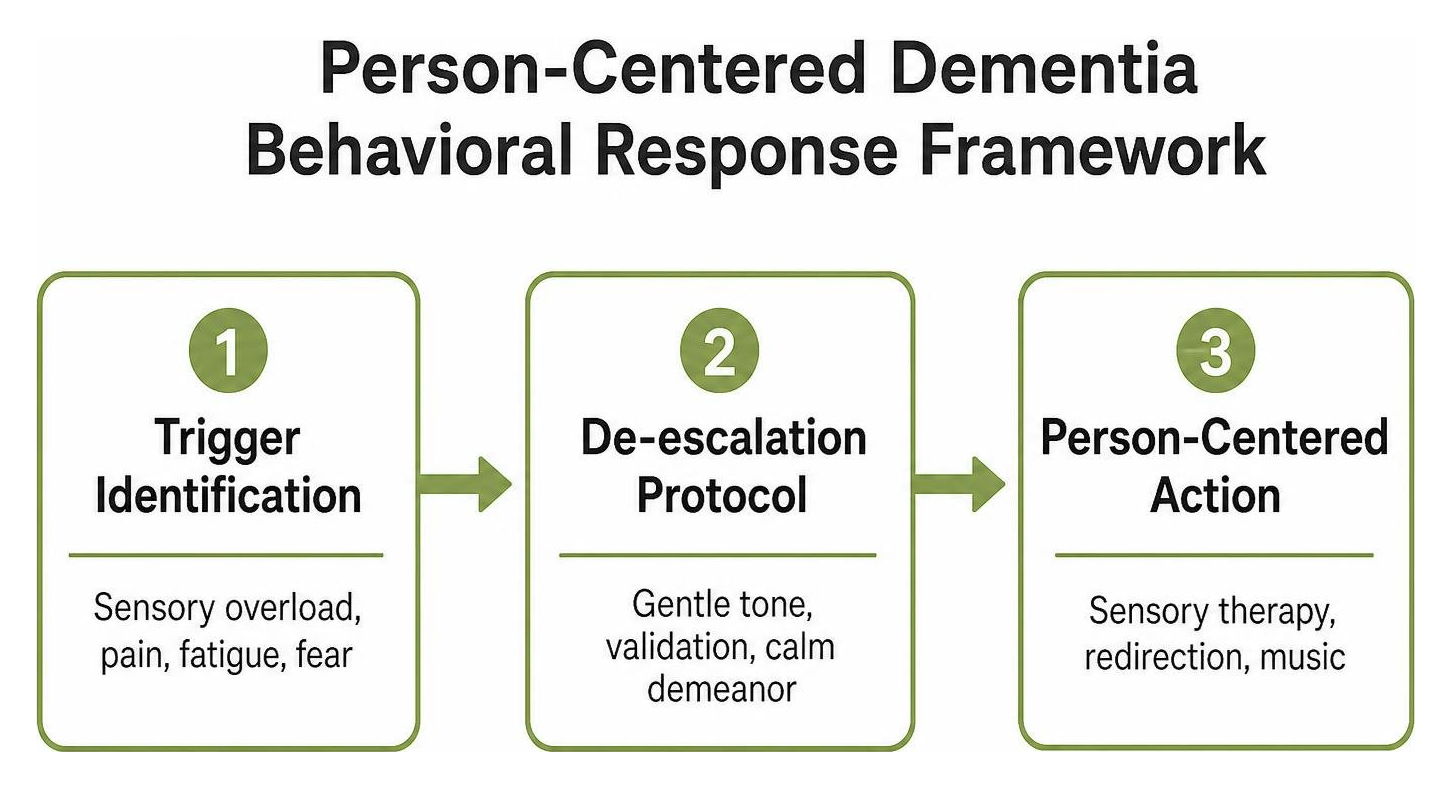
Staff participate in ongoing education focused on non-verbal communication, learning to interpret body language, facial expressions, and vocal tones when speech becomes limited. Sensory therapies, aromatherapy, weighted blankets, and musical reminiscence are woven into daily life to soothe anxiety before distress escalates. Through structured dementia support services, caregivers meet residents in their current reality, validating their emotions instead of correcting or arguing with them.
Security Protocols and Special Care Unit Design
Wandering is a natural impulse for many living with dementia, driven by a desire to fulfill a perceived purpose, search for a familiar person, or escape an overstimulating environment. To protect residents while honoring their mobility, specialized environments incorporate discrete, advanced security systems.
A modern secure memory care unit uses intentional design features to create a secure, anxiety-free setting:
- Continuous Circular Hallways: Floor plans engineered without dead ends eliminate frustration, allowing seniors to wander naturally without feeling blocked.
- Camouflaged Exits: Exit doors painted to match surrounding walls or disguised as murals reduce exit-seeking distress.
- Keypad-Controlled Access: Secure entries keep residents safe within the neighborhood while allowing families and staff free movement.
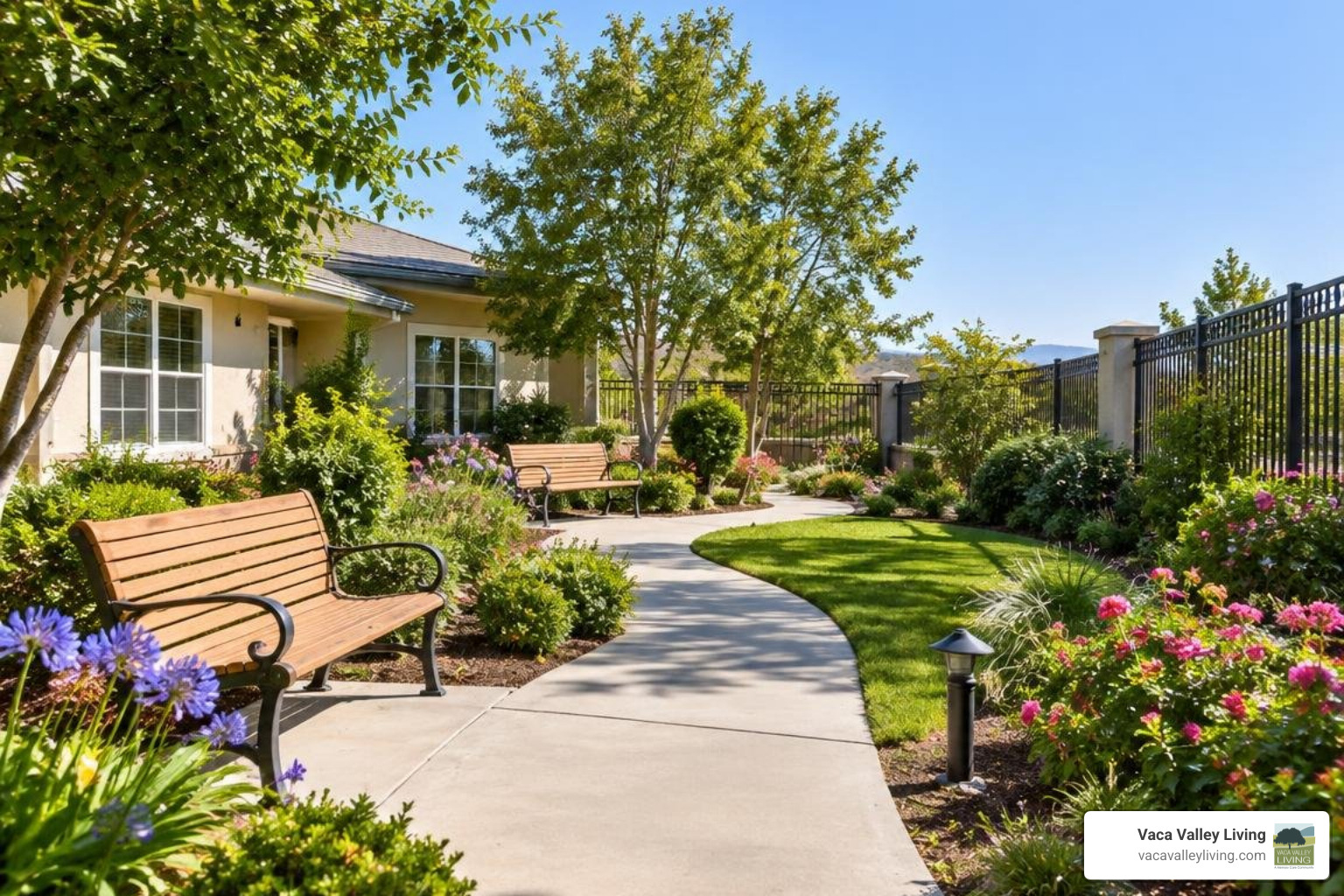
- Enclosed Outdoor Courtyards: Secure garden paths and shaded seating let seniors enjoy fresh air and sunshine independently.
- Advanced Monitoring Systems: Wearable wander-management pendants alert staff immediately if a resident approaches an exterior perimeter.
Comparing Costs, Licensing, and Financial Coverage Options
Evaluating long-term care means having an open, realistic conversation about finances. Because skilled nursing and residential memory care provide different levels of clinical infrastructure and staffing, their cost profiles and funding sources vary considerably.
Annual Care Costs and Insurance Coverage
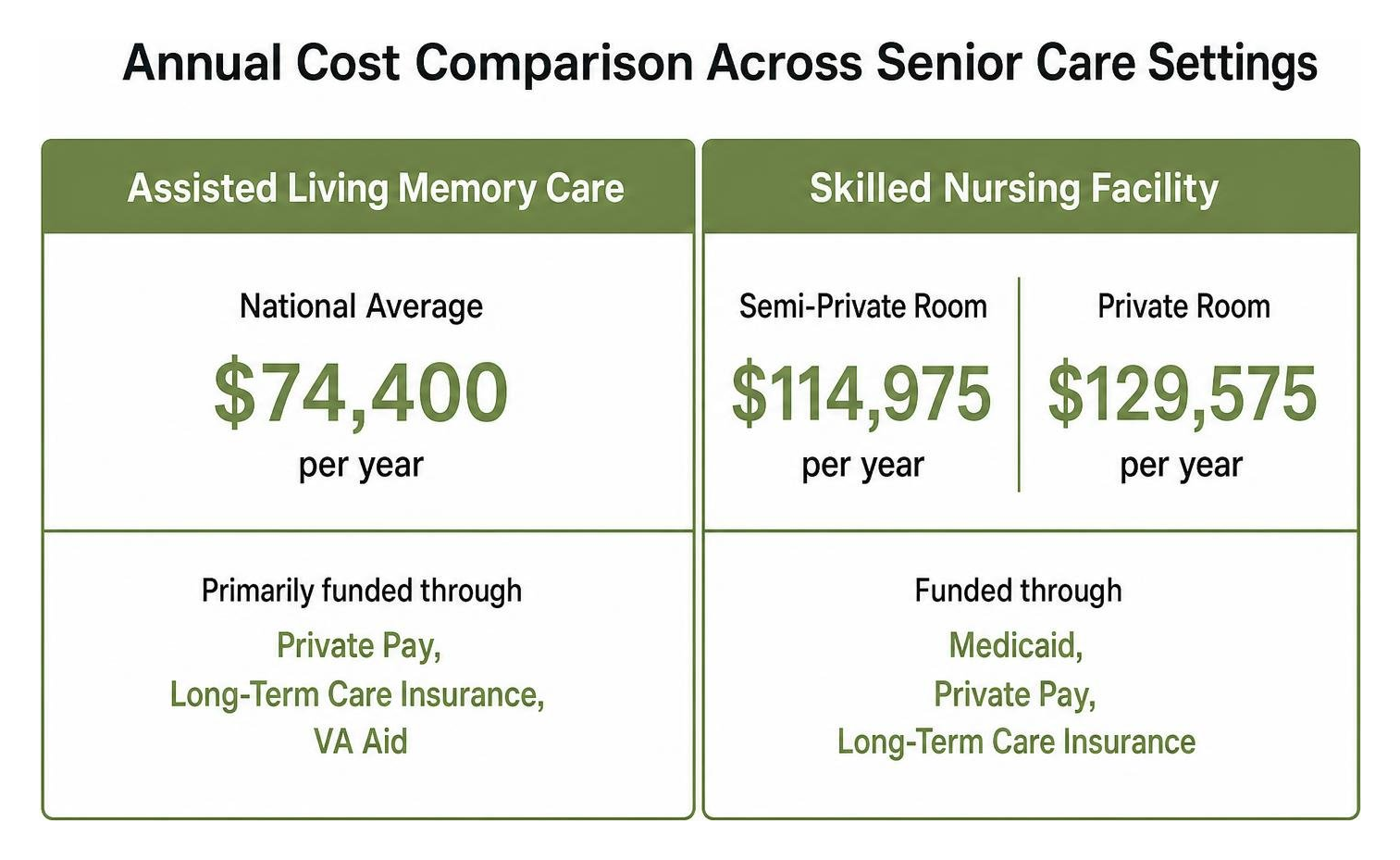
Long-term care is a significant financial investment. According to current industry benchmarks:
- In a skilled nursing home, the average cost for a private room is $129,575 per year.
- In a skilled nursing home, the average cost for a semi-private room is $114,975 per year.
- The national average cost for basic services in an assisted living setting is $74,400 per year (specialized memory care add-ons generally add $1,000 to $2,500 monthly depending on the level of care required).
Families evaluating options in Northern California can compare these benchmarks with assisted living communities in Suisun City and neighboring Solano County cities to understand local pricing trends.
Understanding payment mechanisms helps prevent unexpected financial surprises down the road:
- Medicare: Medicare strictly covers short-term, acute rehabilitation in a skilled nursing facility (up to 100 days following a qualifying 3-day inpatient hospital stay). It does not pay for long-term custodial care, help with daily routines, or residential memory care.
- Medicaid: Medicaid covers long-term skilled nursing care for individuals who meet state-specific income, asset, and medical necessity thresholds. Assisted living memory care coverage via Medicaid waivers varies and often comes with extensive waitlists.
- Long-Term Care Insurance: Depending on the individual policy, benefits can help cover assisted living memory care, skilled nursing care, or both.
- Private Pay & Veterans Benefits: Most residential memory care is funded privately or supplemented through programs like VA Aid and Attendance.
State Licensing, SCU Designations, and Regulatory Standards
Every state enforces specific licensing tiers to protect vulnerable seniors. Skilled nursing facilities are monitored under both state licensing standards and federal Centers for Medicare & Medicaid Services (CMS) regulations. Assisted living memory communities are regulated at the state level.
Many states require specialized memory programs to hold a formal Special Care Unit (SCU) designation or maintain distinct Alzheimer’s bed endorsements. Facilities earning these designations must submit comprehensive disclosure statements detailing their staff training hours, specialized programming, wandering security protocols, and staff-to-resident ratios.
When touring specialized Alzheimer's care facilities, families have the legal right to review state inspection surveys, licensing records, and any deficiency citations issued over the past three years.
When to Transition: Signs Your Loved One Needs Advanced Care

Caring for a loved one with progressive cognitive decline at home is an act of devotion, but it can take a serious toll on a family's health and wellbeing. Recognizing when care needs exceed what can safely be managed at home is key to protecting everyone involved.
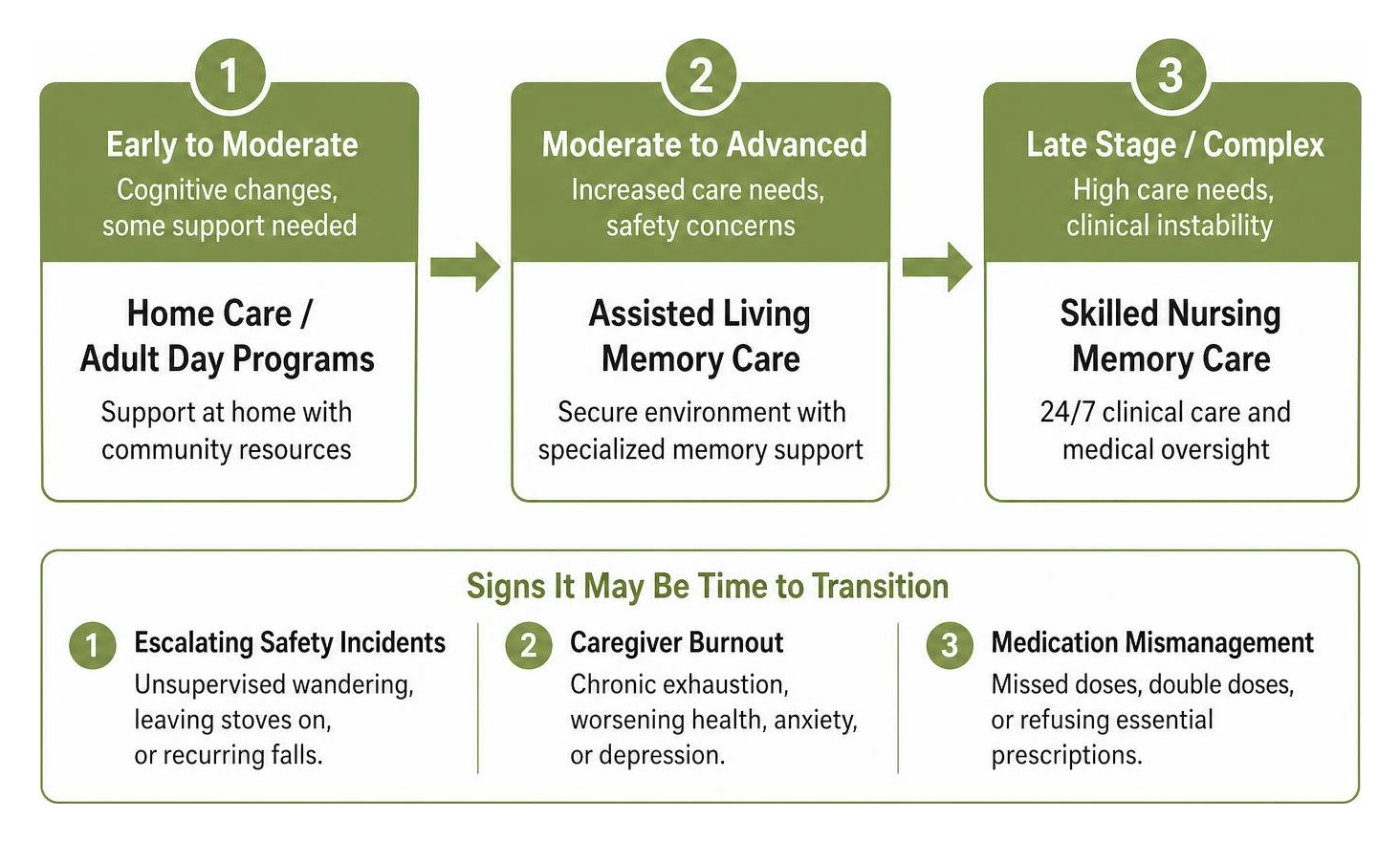
Many families initially rely on in-home aides or Alzheimer's day programs to balance work and caregiving duties. However, several clear signs indicate it may be time to transition to full-time residential support:
- Escalating Safety Incidents: Unsupervised wandering outside, leaving gas stoves burning, or recurring unexplained falls.
- Caregiver Burnout: Family caregivers experiencing chronic exhaustion, worsening health, anxiety, or depression.
- Medication Mismanagement: Forgetting doses, accidentally taking double doses, or refusing essential prescriptions.
- Physical Incontinence and Immobility: Inability to transfer safely without two-person assistance, leading to skin breakdown or hygiene challenges.
- Sundowning and Sleep Reversal: Severe evening confusion that keeps both the senior and family awake all night.
Evaluating Quality in a Memory Care Skilled Nursing Setting
Choosing the right community takes more than just reading brochures; it requires looking closely at everyday operations.
When evaluating a skilled nursing or memory community, look at these objective quality markers:
- Medicare Star Ratings: Review the CMS Nursing Home Compare database to evaluate health inspections, staffing hours per resident day, and clinical quality metrics.
- Staff Turnover Rates: Low turnover usually reflects high employee morale, better teamwork, and more consistent care for your loved one.
- Observed Resident Engagement: Are residents actively engaged in sensory activities, conversation, and music, or are they left sitting alone in front of muted televisions?
- Cleanliness and Odor Control: A clean, fresh community indicates strong housekeeping routines and timely personal care.
- Community Life and Comfort: Explore the daily resident amenities, from salon services to dining presentation, to ensure the environment supports comfort and dignity.
Essential Questions to Ask During Facility Tours
Touring multiple communities—including dropping by for an unannounced visit in the late afternoon—gives you an authentic look at daily life. Use this checklist during your visits:
- What are your daytime and overnight staff-to-resident ratios?
- How many hours of dementia-specific training do caregivers receive upon hire, and how often is training renewed?
- How does the team handle sundowning, agitation, or resistance to personal care?
- Can the community accommodate advancing physical needs, or will another move be required later on?
- Are physical, occupational, and speech therapy available on-site?
- What resources and dedicated Alzheimer's family support programs are offered to help relatives navigate this transition?
Frequently Asked Questions About Memory Care and Skilled Nursing
What is the main difference between memory care and skilled nursing?
Memory care in an assisted living setting emphasizes supportive personal care, daily structure, and life-enrichment within a secure, home-like environment. Skilled nursing provides around-the-clock medical care from licensed nurses to manage complex, unstable health conditions, advanced wounds, or post-hospital rehabilitation.
Under what circumstances might a memory care resident be discharged?
A resident in an assisted living memory care setting may require a transfer if their medical needs surpass what the community is licensed to provide (such as needing continuous IV therapy, advanced ventilator care, or feeding tubes) or if they develop severe behavioral symptoms that pose an ongoing physical safety risk to themselves or others.
Does Medicare pay for long-term care in a skilled nursing facility?
No. Medicare covers only short-term, medically necessary rehabilitation in a skilled nursing setting (up to 100 days following a qualifying inpatient hospital stay). It does not pay for long-term custodial care. Long-term stays must be covered through private funds, long-term care insurance, or Medicaid (Medi-Cal in California) once financial eligibility requirements are met.
Conclusion
Choosing between residential memory care and skilled nursing is an emotional, deeply personal decision. It is never simply about medical charts and floor plans; it is about preserving your loved one’s dignity, keeping them safe, and helping them find comfort and joy every day.
When an individual needs structured routines, attentive personal care, and a secure environment, residential memory care offers a warm, life-affirming setting. If severe medical complexities require continuous clinical interventions, a skilled nursing environment provides the medical safety net they need.
At Vaca Valley Living, our family-owned community brings over 50 years of hands-on senior living experience to Vacaville, California, and surrounding communities like Fairfield, Dixon, and Suisun City. We focus on providing personalized, highly individualized memory care in a warm, boutique setting where residents are treated like family. Reach out to our compassionate team today to schedule a tour and find the right path forward for your loved one.