How to Tour Memory Care Facilities Near You
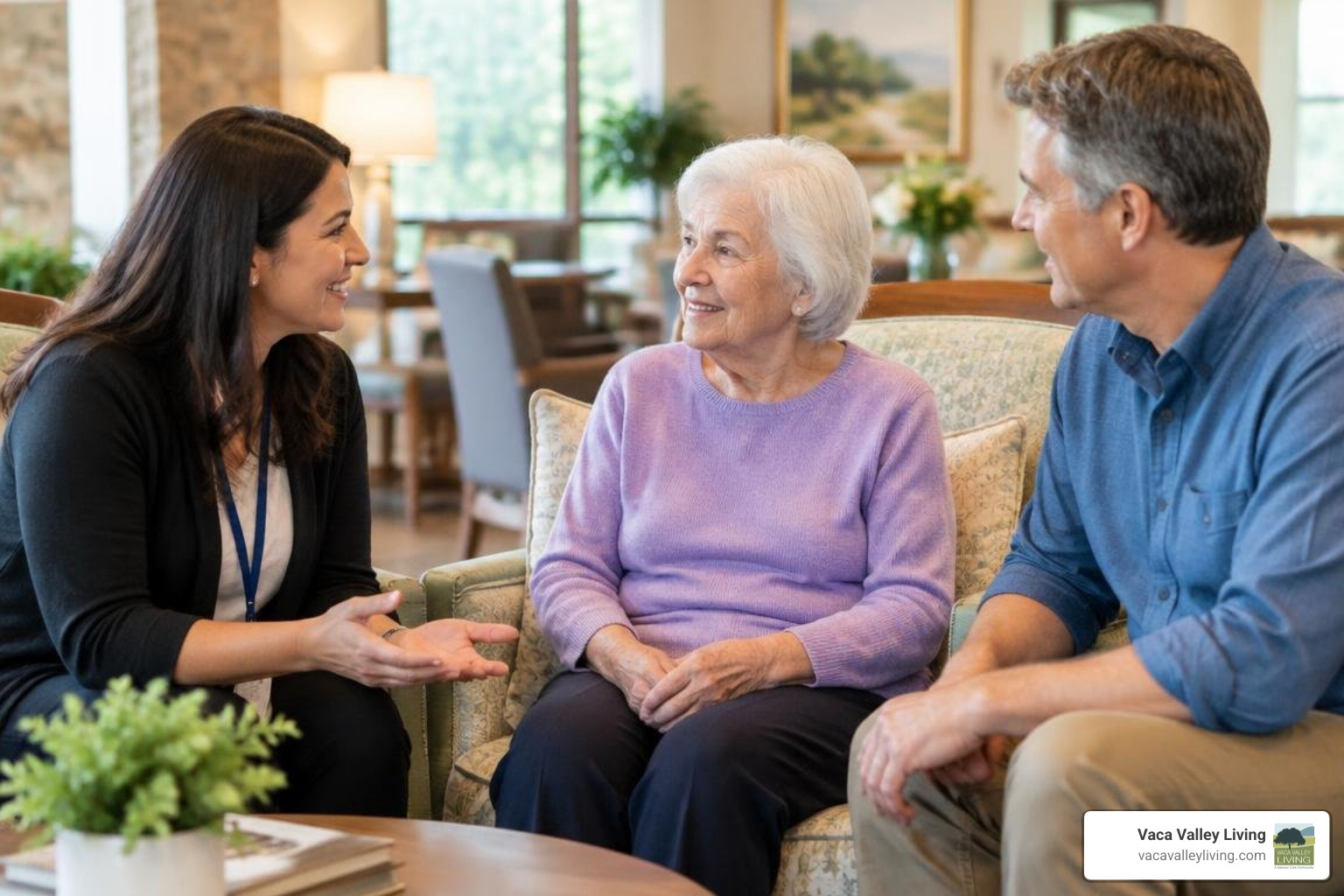
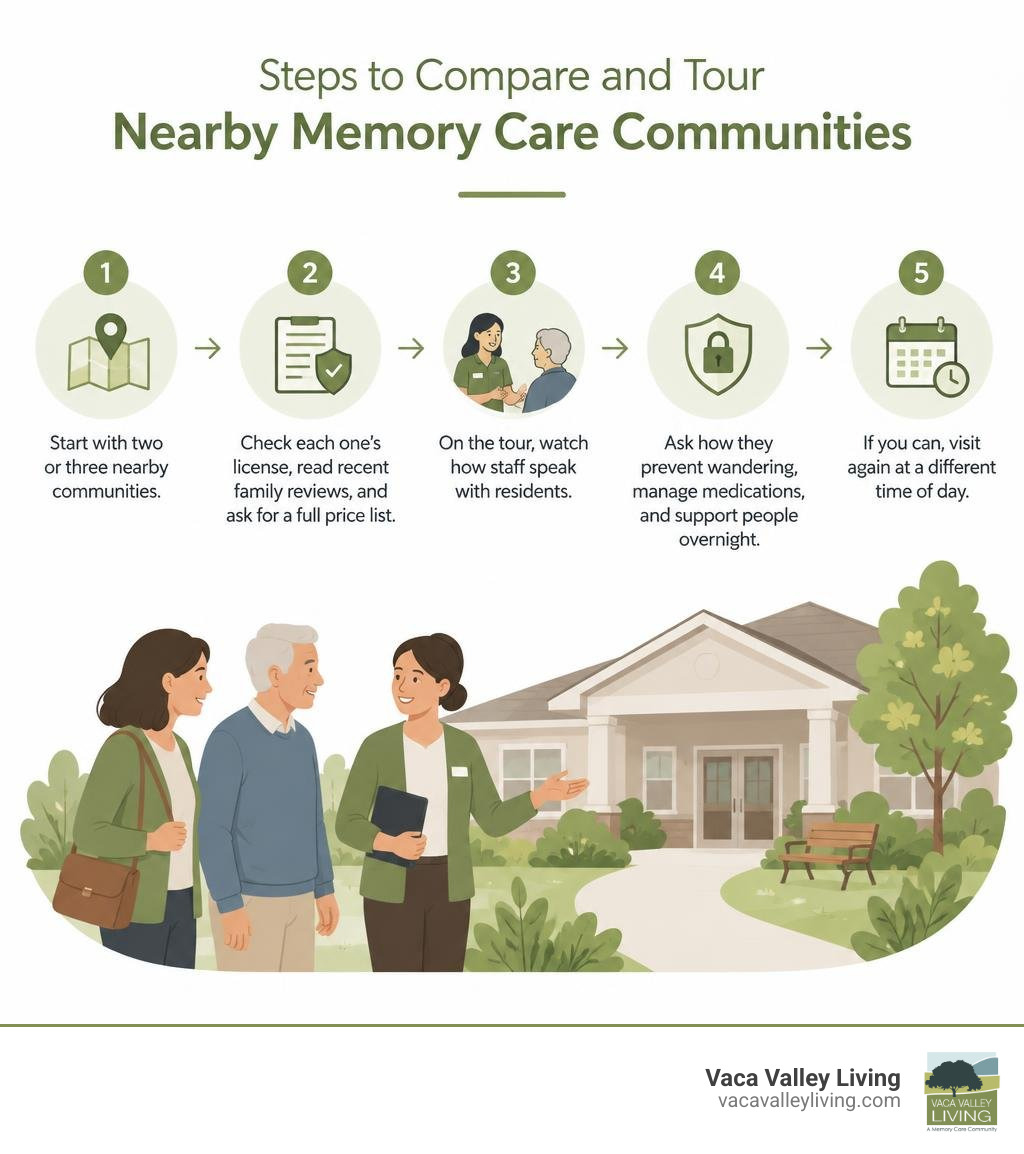
Start with two or three nearby communities. Before you visit, check each one's license, read recent family reviews, and ask for a full price list. On the tour, watch how staff speak with residents. Ask how they prevent wandering, manage medications, and support people overnight. If you can, visit again at a different time of day.
Choosing care for a parent with Alzheimer's can feel overwhelming. You do not have to decide from a brochure. A tour helps you see whether a community feels safe, attentive, and comfortable for your parent.
Understanding Memory Care Support Needs
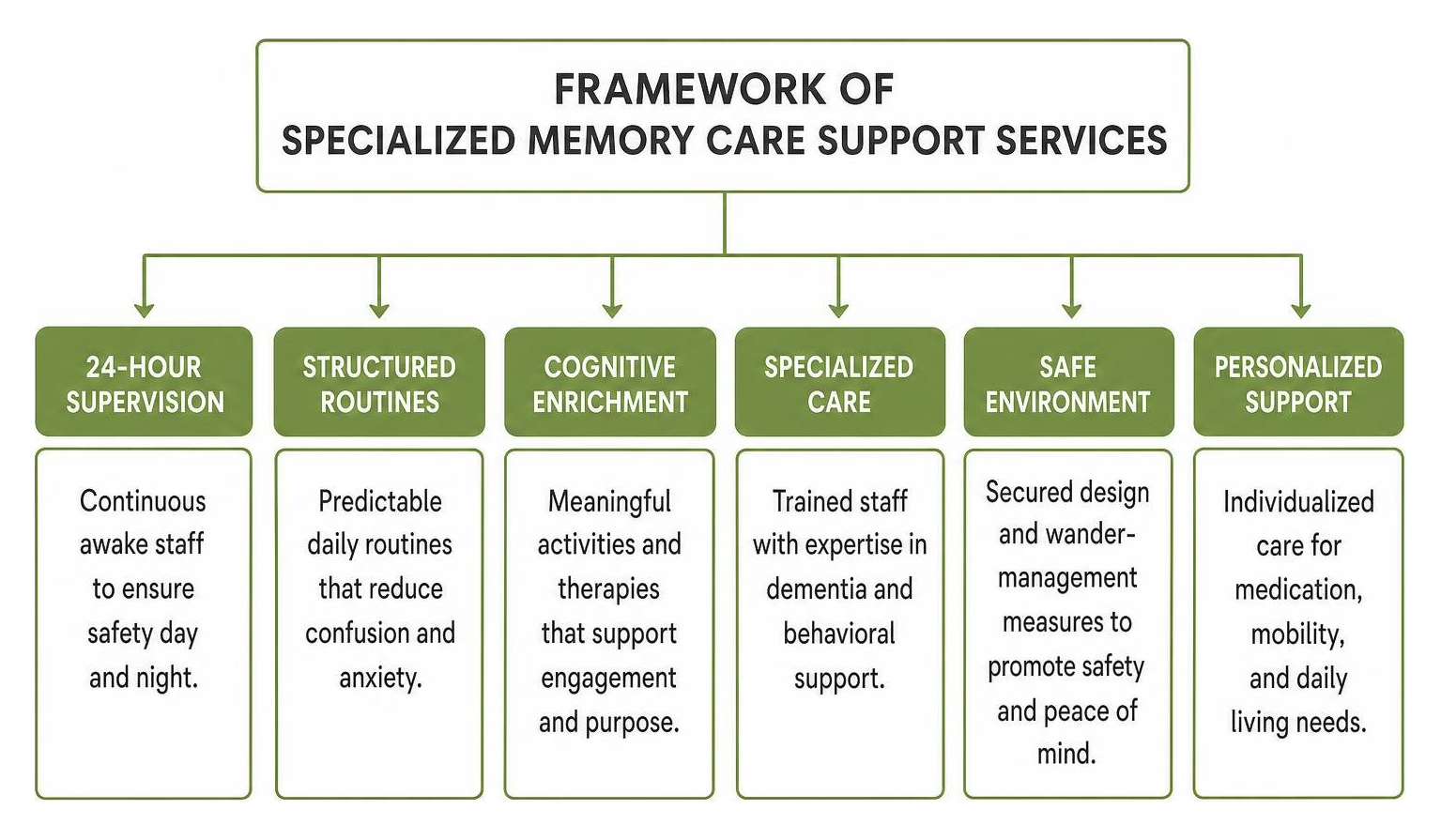
When a loved one experiences progressive cognitive decline, standard assisted living or home care may no longer provide sufficient structure. Memory care is a specialized residential environment tailored specifically for individuals living with Alzheimer’s disease, vascular dementia, Lewy body dementia, and related conditions.
Unlike general senior housing, our focus centers on 24-hour supervision, dedicated cognitive enrichment, structured routines, and architectural safeguards designed to minimize confusion and anxiety.
| Feature | Assisted Living | Dedicated Memory Care |
|---|---|---|
| Staff Training | General caregiving & ADL assistance | Specialized dementia & behavioral management certification |
| Staffing Ratio | Lower caregiver-to-resident ratio | Higher caregiver-to-resident ratio with 24-hour awake staff |
| Environmental Design | Open residential layout | Secured perimeters, circular hallways, visual cues |
| Safety Measures | Standard emergency pull cords | Keypad security, wander-management tech, enclosed courtyards |
| Dining Support | Communal dining room | Contrast plate settings, adaptive utensils, cueing assistance |
| Therapies | General social activities | Sensory stimulation, reminiscence therapy, music & pet therapies |
Choosing comprehensive memory care ensures that every aspect of daily life—from medication administration to physical mobility—is guided by professionals who understand how memory loss affects emotional well-being.
Signs It Is Time to Search for a Memory Care Facility Near Me
Caring for someone with cognitive impairment is deeply rewarding, but it can also become physically and emotionally exhausting. Families often reach a tipping point where a home environment can no longer ensure physical safety.
If you are experiencing any of the following warning signs, it is time to search for a dedicated memory care facility near me across Northern California communities like Vacaville, Fairfield, Winters, or Napa:
- Wandering and Disorientation: Leaving home unattended, getting lost in familiar neighborhoods, or pacing aimlessly toward exits.
- Medication Mismanagement: Missing critical doses, double-dosing, or hiding prescription medications.
- Severe Sundowning and Sleep Disruptions: Heightened agitation, paranoia, pacing, or confusion beginning in the late afternoon and continuing through the night.
- Nutritional and Physical Decline: Forgetting to eat or drink, unintentional weight loss, poor personal hygiene, or unexplained bruises.
- Caregiver Burnout: Family caregivers experiencing chronic exhaustion, depression, anxiety, or health issues due to around-the-clock care demands.
Reviewing structured dementia care guidelines can help you assess whether your loved one's needs have surpassed what home care or traditional assisted living can safely accommodate.
How to Search and Shortlist the Best Memory Care Facility Near Me
Finding the right community requires a balance of proximity, safety standards, clinical capabilities, and cultural fit. Setting a manageable driving radius—typically 10 to 30 miles—makes regular visits convenient for family members living in surrounding cities like Dixon, Davis, Suisun City, or Vallejo.
When building your initial shortlist:
- Verify State Licensing and Regulatory Compliance: In California, residential care facilities for the elderly (RCFEs) are licensed through the California Department of Social Services Community Care Licensing Division. Review public inspection reports, citation histories, and compliance records.
- Evaluate Healthcare Proximity: Proximity to regional medical centers, emergency rooms, and specialized geriatric physicians ensures rapid response times if medical emergencies arise.
- Read Verified Family Reviews: Look for genuine feedback detailing caregiver empathy, administrative responsiveness, dining quality, and communication transparency during care plan changes.
- Explore Regional Options: Compare communities across neighboring areas, such as examining local Vacaville memory care options alongside facilities in nearby Solano and Yolo counties.
Comparing Costs, Inclusions, and Financing Options
Memory care requires higher staffing ratios and specialized physical plant safety features, which means monthly costs exceed standard assisted living.
Nationally, memory care averages approximately $6,999 per month in 2026, though regional costs vary significantly based on geographic area, real estate, and state staffing mandates. In Northern California and parts of the East Bay, rates reflect regional labor markets and regulatory standards.
When comparing cost sheets, evaluate whether a community uses an all-inclusive model or a tiered-care pricing model:
- All-Inclusive Pricing: One bundled monthly fee covering rent, utilities, meals, 24-hour supervision, laundry, housekeeping, programming, and all personal care assistance. This eliminates unexpected rate hikes as care needs evolve.
- Tiered / Fee-for-Service Pricing: A base rental rate for the apartment with escalating charges added for medication passes, incontinence management, bathing assistance, and mobility transfers.
Payment and Financing Resources
Most families use a combination of private assets and financial assistance programs:
- Private Pay: Personal savings, retirement accounts, pensions, or proceeds from a home sale.
- Veterans Aid and Attendance: A tax-free monthly pension benefit for qualifying wartime veterans and surviving spouses to help offset daily care costs.
- Long-Term Care Insurance: Policies covering residential memory care or custodial personal care services.
- Life Insurance Conversions: Converting an existing life insurance policy into a pre-funded long-term care benefit account.
Step-by-Step Checklist for Touring Memory Care Communities
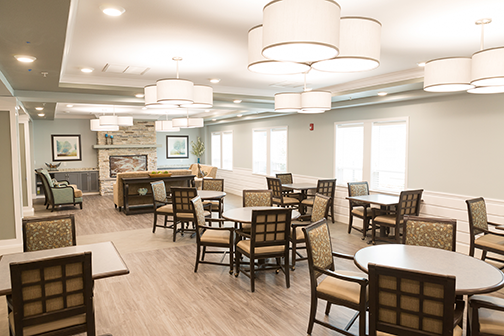
A glossy brochure cannot tell you how a community genuinely operates. Visiting in person allows you to observe daily routines, staff interactions, and sensory environments firsthand.
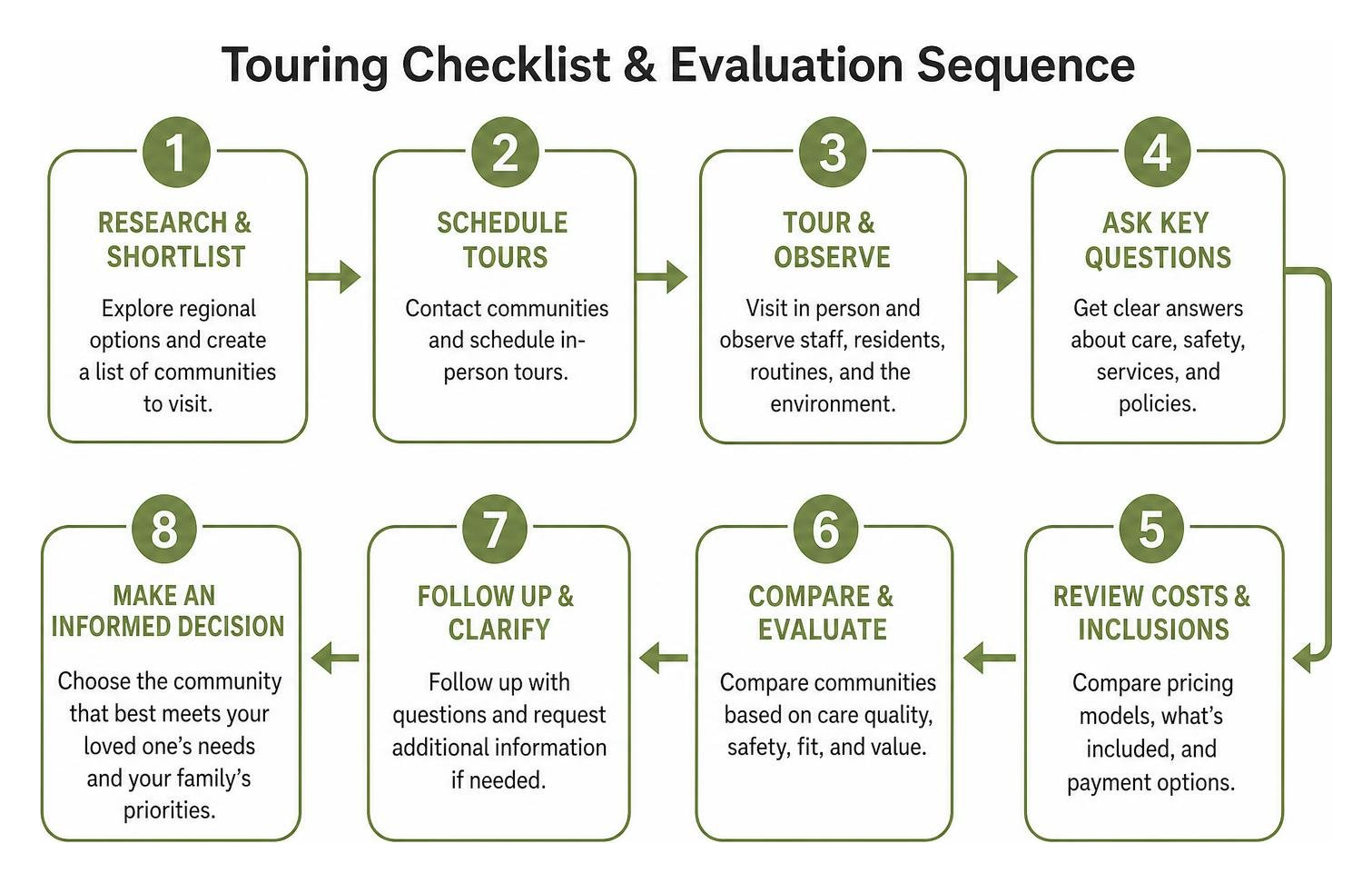
What to Observe During an In-Person Tour of a Memory Care Facility Near Me
When evaluating specialized Alzheimer's care settings, pay close attention to subtle operational details:
- Staff-to-Resident Interactions: Do caregivers make gentle eye contact, greet residents by name, and speak at eye level? Or do interactions feel rushed and transactional?
- 24-Hour Awake Staffing: Ask explicitly how many awake care staff are on duty between 8:00 PM and 6:00 AM. Inquire about the presence of on-site nurses or licensed medication technicians.
- Medication Management Protocols: Inquire how medications are logged, secured, and administered. Ask how staff handle a resident who refuses a critical dose.
- Cleanliness and Odor Control: A clean community smells fresh naturally, without overwhelming artificial floral sprays masking underlying hygiene issues.
- Dining Experience: Watch a meal service. Are menus clear and legible? Are pureed or soft diets presented appealingly? Do staff patiently assist residents who struggle with utensils?
- Spontaneous Drop-In: After an official scheduled tour, request a brief follow-up visit on a weekend afternoon or during evening dinner hours to see how the team functions during non-peak administrative hours.
Evaluating Safety Features and Environmental Design
Dementia changes visual perception, depth awareness, and spatial orientation. A well-designed memory care community uses thoughtful architecture to prevent agitation and reduce fall risks.
- Secured Access and Wander-Management: Robust secure memory care unit features should incorporate discreet keypad-controlled exits, delayed-egress doors, and optional wearable wander-guard sensors that alert staff before a resident reaches an exit.
- Continuous Circular Hallways: Hallways should curve naturally back to central gathering areas rather than ending in abrupt dead ends, which can trigger frustration and anxiety for pacing residents.
- Wayfinding Cues and Memory Boxes: Visual landmarks, color-coded wings, and personalized memory boxes outside bedroom doors filled with family photographs, keepsakes, and favorite items help residents independently locate their private rooms.
- Circadian Rhythm Lighting: Natural light exposure and soft, glare-free indirect fixtures reduce visual shadows that can trigger hallucinations, illusions, or evening sundowning distress.
- Secure Outdoor Courtyards: Safe, enclosed walking paths, raised garden beds, and shaded patio seating allow residents to enjoy fresh air and sunshine safely.
Specialized Programs, Therapies, and Resident Life

A high-quality memory care community focuses on emotional connection, purposeful engagement, and cognitive preservation. Meaningful daily routines support physical strength and emotional equilibrium.
When touring, explore the full calendar of life enrichment memory programs, including:
- Music and Reminiscence Therapy: Familiar songs from a resident's youth activate preserved neural pathways, stimulating memory recall, conversation, and calm.
- Sensory Stimulation: Aromatherapy, textured blankets, tactile craft projects, and hand massage soothe overstimulated nervous systems.
- Pet Therapy: Visiting certified therapy animals provide comforting companionship, lowering blood pressure and reducing feelings of loneliness.
- Adaptive Physical Exercise: Seated balance classes, gentle stretching, and balloon volleyball help preserve motor skills, flexibility, and core strength.
Thriving within a dementia-focused community support environment means your loved one is surrounded by people who understand how to navigate cognitive changes with patience, dignity, and warmth.
Planning a Smooth Transition and Family Support
Moving into memory care is a profound life adjustment for both the resident and their family. Proper preparation ensures an easier transition:
- Coordinate Move-In Logistics in Advance: Set up the bedroom with familiar furniture, favorite bedspreads, family photos, and cherished keepsakes before your loved one arrives so the space feels familiar immediately.
- Provide a Comprehensive Life Story: Share your loved one's past career, favorite hobbies, preferred wake-up times, food dislikes, and calming strategies with the caregiving team.
- Establish a Predictable Visiting Routine: In the first couple of weeks, coordinate visits during structured afternoon activity hours or mealtimes.
- Lean on Family Support Groups: Joining caregiver support groups allows you to connect with other adult children and spouses navigating similar emotional journeys.
- Participate in Regular Care Conferences: Meet regularly with the care director, wellness nurse, and activity coordinator to update care plans as needs change over time.
Frequently Asked Questions About Memory Care Facilities
What is the average monthly cost of memory care in 2026?
In 2026, memory care costs across the United States average roughly $6,999 per month, with semi-private suites starting at slightly lower rates and private suites ranging higher based on location, amenities, and required levels of personal care. In Northern California, rates generally reflect local cost of living and staffing requirements.
How do memory care communities prevent wandering and ensure safety?
Communities utilize secured keypad perimeters, delayed-egress doors, electronic wander-management bracelets, continuous staff monitoring, and enclosed outdoor courtyards that allow independent walking without risk of elopement.
What specialized support does memory care provide compared to assisted living?
Memory care provides higher caregiver-to-resident ratios, 24-hour awake staff trained in dementia communication and de-escalation, locked perimeters, visual wayfinding cues, and structured sensory and cognitive therapy programs tailored to progressive memory loss.
Conclusion
Finding the right memory care community is about discovering a safe, warm environment where your loved one is treated with respect and individualized attention. Taking the time to tour facilities in person, observe caregiver interactions, review safety protocols, and evaluate daily enrichment gives your family lasting peace of mind.
At Vaca Valley Living, we bring over 50 years of family-owned senior care experience to our boutique community in Vacaville, California. With 24-hour dedicated staffing, personalized wellness plans, on-site salon amenities, and secure outdoor gardens, we provide the compassionate, specialized environment your parent deserves.
Explore compassionate memory care at Vaca Valley Living and schedule your personalized community tour today.